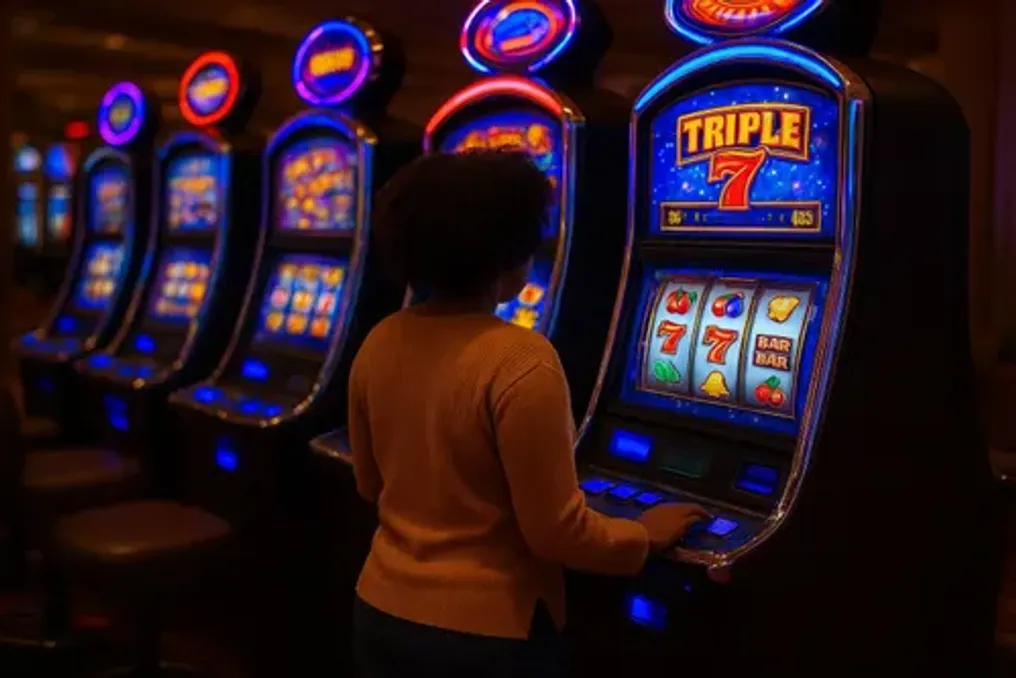
Gambling problems lead to suicidal thoughts among some South Africans
Read more
IOL
iol.co.za

Gambling problems lead to suicidal thoughts among some South Africans

The level of gambling addiction in South Africa has reached alarming levels, as growing debt and mental health issues push some people toward suicidal thoughts.

The South African Responsible Gaming Foundation (SARGF), which promotes a responsible approach to gambling and supports those harmed by gaming, reported that some individuals spend their money to complete ruin on payday while trying to repay debts incurred due to this habit.

According to the foundation's latest report, 1345 people experienced high levels of distress and considered death due to their circumstances, while over 1300 sought help after severe stress caused by gambling.

SARGF CEO Sibongile Simelane-Kuntana noted that some people only seek help after reaching a critical point. She stated that sometimes they are brought in by relatives because they previously attempted suicide, and it was discovered that gambling was the cause.

The report also indicates that some people develop an unhealthy attachment to gambling even after winning money, convincing themselves that another big win will change their lives. This belief can worsen financial difficulties, forcing them to take loans, including from loan sharks, to continue playing in hopes of new success.

Simelane-Kuntana emphasized that excessive gambling often correlates with alcohol and drug abuse. She explained that there is a close link between gambling, excessive alcohol consumption, and drug use: when people fall into financial difficulty, they may consume alcohol or buy drugs to alleviate the pain of what is happening.

Furthermore, shame and fear of judgment often prevented people from seeking support. Many hid their gambling habits from spouses and families, resorting to lies to conceal the scale of the problem, resulting in many suffering in silence until their situation became unbearable.

Gambling addiction is not limited to working adults; university students also suffer from this problem, which is exacerbated by the increasing use of mobile technology, making games easily accessible.

During his half-yearly budget speech, Finance Minister Enoch Godongwana stated that the government is considering introducing an additional tax on mobile gambling as part of efforts to address the high level of gambling in the country. The proposed measure aims to reduce the accessibility of mobile gambling.

Individuals facing gambling-related problems can seek support from the following organizations: The South African Responsible Gaming Foundation/National Responsible Gaming Program at 0800 006 008, where support is available in multiple languages. Help is also provided through Gamblers Anonymous South Africa: 083 783 5717 in KwaZulu-Natal and 060 624 7140 in Gauteng.

Similar stories

Financial Anxiety Transforms into Mental Health Crisis in South Africa
Read more
iol.co.za

Financial Anxiety Transforms into Mental Health Crisis in South Africa

Financial stress is having an increasingly severe impact on the mental health of South Africans, as over eight out of ten respondents lack emergency funds. Currently, South Africans are facing familiar pressures related to needing to borrow money for groceries, worrying about the next electricity bill, and having no savings for emergencies.

According to the Wonga 2026 Credit Utilisation Survey, which involved 4872 South African residents, it was found that 81% of respondents had no savings or financial reserve for emergencies, and nearly 41% used credit to cover essential monthly living expenses such as food.

These results emerged during Mental Health Awareness Month and highlight how financial difficulties can extend beyond the family budget, causing anxiety, sleep disturbances, and decision-making impairment.

Tina Manyanya, a representative of Wonga, notes: 'Financial stress has become a silent crisis. We are observing the mental and emotional consequences of a population caught in a constant survival cycle, spending money in debt to cover necessities like food, transport, and electricity.'

A separate study by DebtBusters confirms the scale of the problem. Their 2026 'Money-Stress Tracker,' which surveyed almost 18,000 subscribers who were not receiving debt counseling, showed that 72% experienced financial stress. Of those affected, 75% reported it affects their health, 76% their work life, and 92% their home life.

DebtBusters also found that 53% of respondents spent more than 40% of their net income on debt repayment, compared to 48% the previous year.

Stuck in Stress

Psychologist Dr. Andrea Kellerman, who analyzed the psychological implications of the DebtBusters findings, asserts that prolonged financial pressure can undermine people's ability to make decisions and find solutions to difficulties.

She states: 'It is cumulative stress that we have observed over the last five years... it has depleted the ability to make better decisions and think outside the box.'

The proportion of respondents who felt stuck increased from 29% to 34%. Kellerman explains that prolonged stress can lead to a feeling of helplessness, prompting people to avoid problems instead of confronting them. Such actions include ignoring bills, postponing difficult conversations, and withdrawing from opportunities that could improve their situation.

The Body Keeps Score

The psychological consequences do not only affect those who have already missed payments. Cholani Manzini, a teleclinician at Life Health Solutions, names insomnia, irritability, headaches, social isolation, and guilt over spending as signs of financial anxiety.

Manzini also warns that people may postpone necessary medical care due to inability to afford it, potentially worsening the effects of financial stress. The Wonga study shows that financial pressure also pushes more consumers toward informal lenders.

The Wonga survey revealed that 32% of respondents borrowed from informal lenders, known as mashonisas, in the past year, more than double the 15% recorded in their previous study. Manyanya believes that limited access to affordable formal credit forces financially vulnerable households to turn to lenders whose interest rates may be significantly higher.

Know Your Numbers

Meanwhile, Kim Potgiter, CEO of Chartered Wealth Solutions, says that financial worries can turn into a cycle of repetitive thoughts, exacerbating financial problems. She notes: 'We repeat the same questions, play out the worst-case scenarios, and worry about things that may never happen.'

Potgiter explains that people often carry childhood money beliefs, including fears of scarcity and financial insecurity, which can influence their decisions well into adulthood. Potgiter advises replacing assumptions with an accurate picture of household finances, even if the figures are unpleasant. She concludes: 'In any case, knowing is better than guessing.'

For those struggling with debt, early intervention can help prevent the escalation of financial difficulties. This may include communicating with creditors, seeking help from a registered debt counselor, or obtaining professional mental health support when anxiety becomes unmanageable. Manyanya concludes: 'Money stress doesn't just live in your balance sheet; it lives in your mind and body. We need to start viewing financial health as a form of psychiatric care.'

Popular