Mental health is a priority in the fight against the Ebola epidemic in the DRC
Read more
Noticias ao Minuto
noticiasaominuto.com

Mental health is a priority in the fight against the Ebola epidemic in the DRC

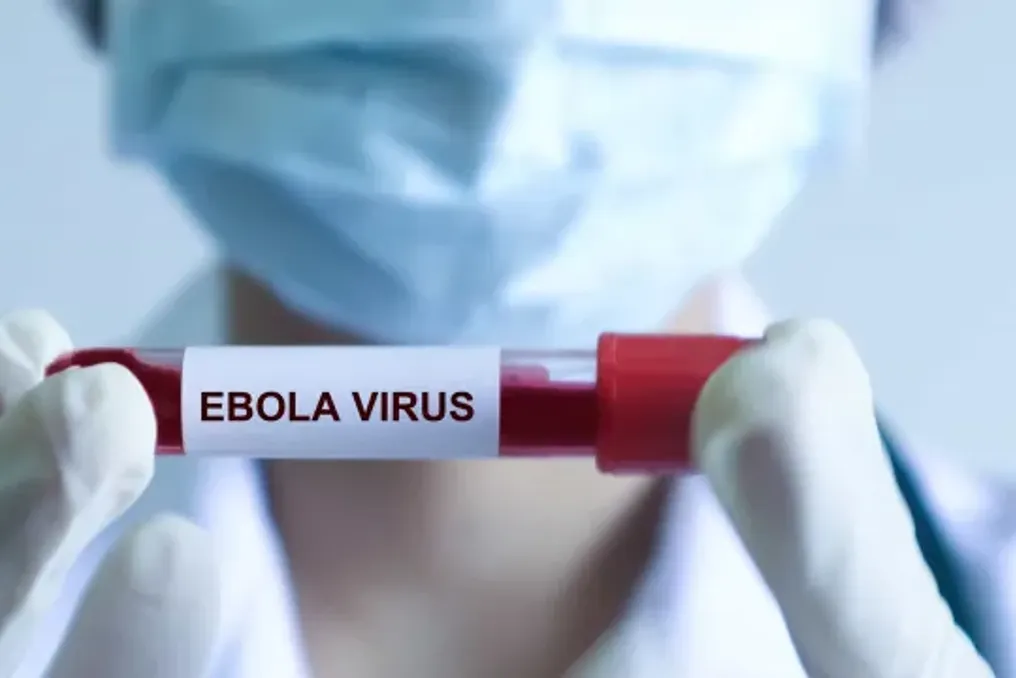
Portuguese doctor Thomas Bandeira told Lusa that mental health must become the main priority when responding to the Ebola outbreak in eastern Democratic Republic of Congo (DRC), as this disease 'destroys entire families and communities.'

Working directly in Mongbavu, Thomas Bandeira, who serves as a tropical medicine specialist at Médecins Sans Frontières (MSF), emphasized that the psychological support provided by the organization on site is paramount. This support covers both medical staff and patients—from the moment of hospitalization through post-discharge follow-up, as well as their families.

He warned that Ebola destroys on multiple levels, annihilating not only lives but also entire communities in this country, which borders Angola.

In this regard, the MSF mental health team, composed of psychologists and specialists, is working to create support networks at the family and community level, explained Bandeira.

The doctor noted that the mortality rate, approaching 50%, particularly affects healthcare workers. He stated that no doctor or nurse is prepared or accustomed to dealing with situations where one person dies out of two.

Bandeira added that witnessing the death of an Ebola patient firsthand is an unforgettable experience. To cope with the daily pressure and continue working on the ground, the MSF specialist advocates for an approach focused on success stories: 'Instead of looking at the 50% who die, we must focus on the 50% who survive. Every patient who comes to us is a new battle.'

He concluded that one cannot constantly dwell on the lost, but rather should focus on those who have been cured and who continue to matter to their work.

The Regional Director of the World Health Organization (WHO) for Africa, Mohamed Yakub Janabi, reported to Lusa that as of October 20, the DRC had registered 9,704 confirmed cases and 4,687 deaths, corresponding to a case fatality rate of 48.3%.

Ebola is a highly contagious disease transmitted through direct contact with the bodily fluids of an infected person, including blood and vomit, or through contact with contaminated materials and surfaces such as bedding and clothing.
Similar stories

WHO alerts African countries to prepare against Ebola after new cases in Nigeria and Kenya
Read more
noticiasaominuto.com

WHO alerts African countries to prepare against Ebola after new cases in Nigeria and Kenya

The World Health Organization (WHO) issued an urgent appeal to African countries to maintain a high degree of preparedness following the confirmation of an Ebola case in Nigeria. This event occurs just days after Kenya also reported infections in its territory.

WHO Director-General Tedros Adhanom Ghebreyesus communicated via the social network X that it is essential for all nations in the region to maintain a high level of preparedness. According to him, this is crucial for identifying cases early, preventing the continuous spread of the disease, and ensuring the protection of both health professionals and populations.

Ghebreyesus added that the WHO is collaborating with its partners and with the governments of Nigeria, Kenya, and the Democratic Republic of Congo (DRCongo) with the aim of strengthening the epidemic response.

On the same day, the African Union's (AU) public health agency announced the convocation of a virtual meeting for October 28. This meeting will bring together the continent's Health Ministers to discuss the 'growing threat' of the Ebola virus, following the recent detection of cases in Kenya and Nigeria.

Health authorities in Africa's most populous country reported that the first Ebola case detected in Nigeria belongs to the Bundibugyo strain, the same one responsible for the epidemic in the DRCongo. The Nigerian Minister of Health, Ali Pate, clarified on Tuesday that the infected patient was a diplomat who had recently arrived in Nigeria from a flight originating in Uganda.

This woman began showing symptoms on October 7 and was hospitalized in a private hospital in Abuja on October 11, before the virus diagnosis.

Although Uganda had previously registered Ebola cases, it was later declared free of the virus. Thus, Nigeria became the most recent country to register a case, succeeding its neighbor Kenya, which confirmed its first case at the beginning of the month and has since recorded eight more cases.

Kenya was the fourth country to record a case related to the Ebola epidemic in the DRCongo, joining Uganda, France, and the Netherlands. In Uganda, the WHO had declared the end of the outbreak on August 26, after counting 20 confirmed cases, including 15 imported from the DRCongo, resulting in two deaths.

The epidemic in the DRCongo is notably one of the deadliest in world history, having caused 9,552 confirmed cases and 4,602 deaths, according to the latest official report with data collected up to October 18. Ebola is a highly transmissible virus, transmitted through direct contact with the body fluids of infected individuals, such as blood and vomit, or by touching contaminated surfaces and materials, such as bedding and clothing.

African Union offers technical and logistical support to Kenya due to increase in Ebola cases
Read more
noticiasaominuto.com

African Union offers technical and logistical support to Kenya due to increase in Ebola cases

The African Union's public health agency announced the dispatch of technical and logistical assistance to strengthen Kenya's response to the Ebola outbreak, following the confirmation of four new cases. With these new records, the total number of infections in Kenya has reached seven, one of which was imported from the Democratic Republic of Congo (DRC).

In a statement released this Saturday, the Africa Centres for Disease Control and Prevention (Africa CDC) reported that they are collaborating with the Kenyan government on crucial aspects of the emergency. The focus is on epidemiological surveillance, technical coordination, risk communication, and community engagement.

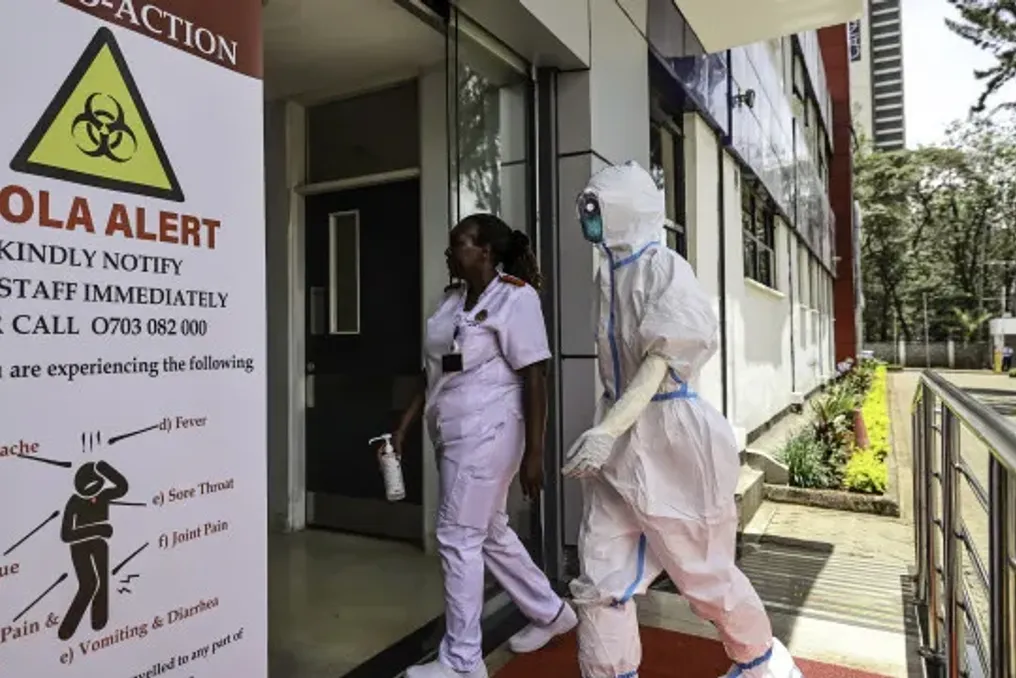
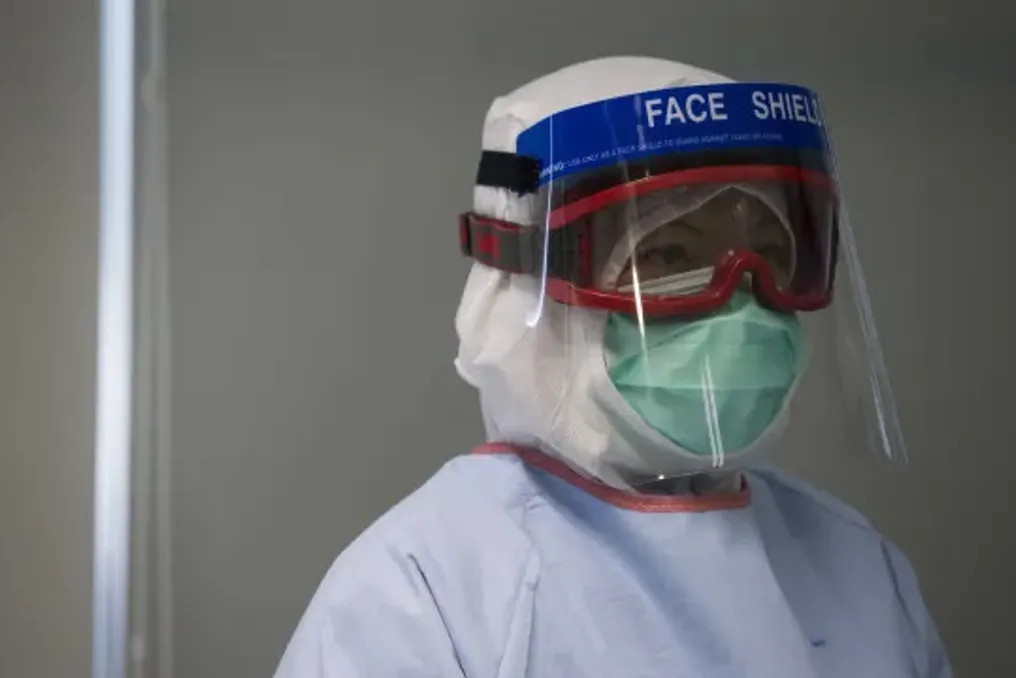
The continental health body emphasized the urgency of providing protective equipment to healthcare professionals working on the front lines. This is because three of the four new infected individuals were healthcare workers who provided assistance to the individual classified as 'patient zero' in the hospital.

Africa CDC stressed the importance of intensifying infection prevention and control measures, ensuring healthcare workers have 'adequate protective equipment, training, and continuous support.' Given the progression of the epidemic in the DRC, the origin of the first case detected in Kenya, the organization reaffirmed its commitment to intensifying cross-border surveillance and early detection among member states, aiming to contain viral spread regionally.

For its part, the Kenyan Ministry of Health stated in a document that the risk to the general population remains low, as there are 'no evidence of community transmission of the disease.' It was noted that out of the 130 people who came into contact with 'patient zero,' 128 (98.5%) were traced and quarantined, exceeding the global target of 85% for contact tracing, which is essential to interrupt the chain of transmission.

Kenya had confirmed its first imported Ebola case on October 5: a 40-year-old man who had resided in the DRC for the past seven years. This 'patient zero' received treatment in several Congolese hospitals before traveling overland to Kampala and subsequently flying from Uganda to Nairobi, arriving on October 3 and dying two days later. Since then, health authorities have initiated contact tracing to locate individuals potentially exposed to the virus during the patient's travel and treatment.

Kenya became the fourth country to report a case related to the Ebola epidemic in the DRC, joining Uganda, France, and the Netherlands. Furthermore, Ebola also spread to Uganda, where the World Health Organization (WHO) declared the end of the outbreak on August 26, after accounting for 20 confirmed cases, including 15 imported from the DRC, and two deaths.

The epidemic in the DRC is cited as the second deadliest in world history, having caused 9,277 confirmed cases, including 4,478 deaths, according to the latest report from the Congolese government.

Stigma against people living with HIV drops by half in Mozambique, but still affects 21%
Read more
noticiasaominuto.com

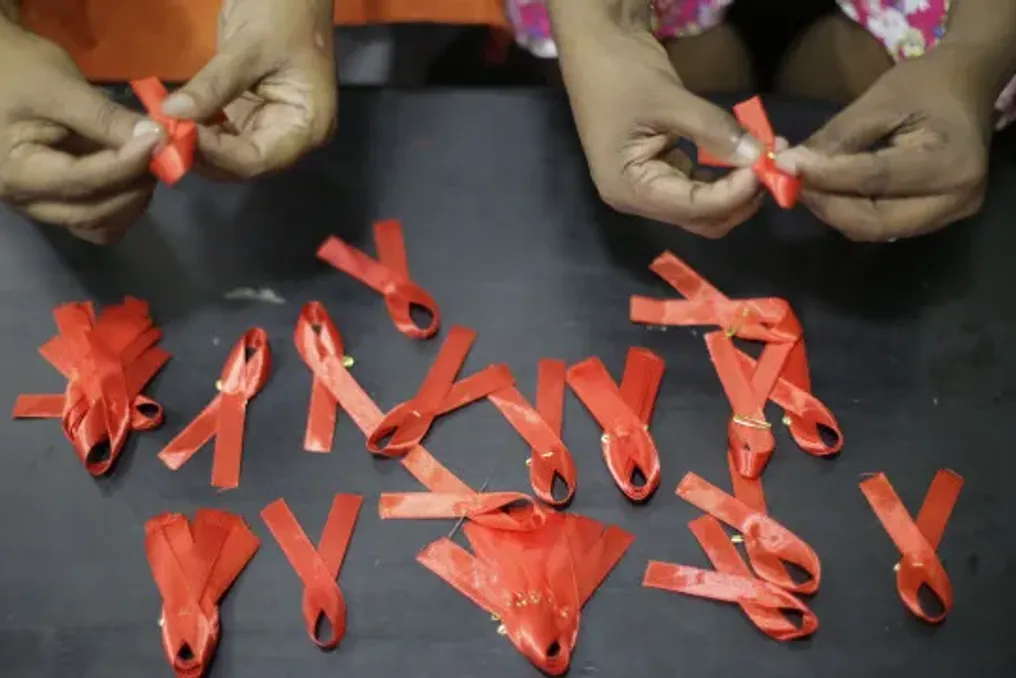
Stigma against people living with HIV drops by half in Mozambique, but still affects 21%

A recent study revealed that the rate of stigma and discrimination directed at individuals living with the Human Immunodeficiency Virus (HIV) in Mozambique has decreased to less than half since 2013. However, stigma still impacts 21% of the total, according to recently released data.

The Stigma and Discrimination Index for People Living with HIV and Key Populations was conducted in 2025 in the city of Maputo and six provinces of the country. Although still preliminary, the study compares current results with the 51% recorded twelve years ago. The findings were presented in Maputo.

Adelino Mechico, an activist, emphasized the continuous need for awareness and sensitization campaigns to combat discrimination. The study covered the capital and the provinces of Maputo, Gaza, Sofala, Zambézia, Nampula, and Cabo Delgado, analyzing the experiences of people living with HIV/AIDS.

According to the Mozambican Ministry of Health, which organized the event, the study's future recommendations will serve to strengthen the national response to HIV. Mechico mentioned that sectoral measures will be proposed with the aim of reducing the stigma and discrimination index to below 10%.

Furthermore, experiences related to access to health services, quality of care in health units, and clinical information management were examined, collecting participants' perceptions about the challenges faced when seeking assistance.

Mozambique has an estimated HIV prevalence of 11.6% among people aged 15 and over, a figure lower than the 12.4% identified in a community study conducted in 2021. Francisco Mbofana, executive secretary of the National Council for the Fight against HIV/AIDS, detailed these numbers during the ceremony.

2025 projections indicate that about 2.5 million people in the country live with HIV. Of these, 87% know their serological status, 87% are in treatment, and 76% have achieved viral suppression. Mbofana stressed that combating stigma and discrimination is a crucial barrier, as its reduction encourages more people to get tested and maintain treatment.

The official also reported that Mozambique registered approximately 77 thousand new HIV infections in 2025, compared to about 160 thousand in 2010, although the number of new infections remains high, with the goal being to stop the transmission of the virus.

Mbofana pointed to the provinces of Zambézia, Maputo, Sofala, and Nampula as those with the highest number of affected people, clarifying that population size influences these data, even when prevalence is not the highest. He added that Gaza maintains the highest prevalence, at around 20%, while the city of Maputo registers approximately 16%.

Another national goal is to reach 95% of people living with HIV who know their serological status, emphasizing that early diagnosis, continuity of treatment, and viral suppression are essential to reduce new infections.

Popular