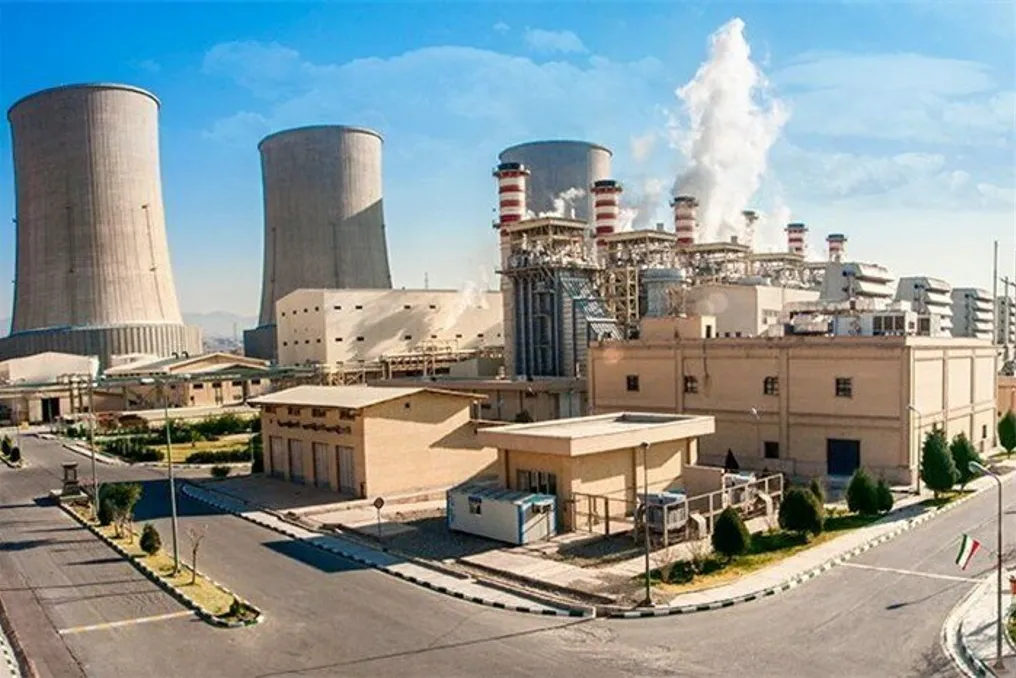
According to the Deputy Minister of Energy, Iran intends to increase the capacity of its national electricity grid by 3800 megawatts of new thermal generation in the next Iranian calendar year, which begins at the end of March 2027. This decision is being made against the backdrop of financial difficulties in the energy sector, which threaten infrastructure investments.
Mostafa Rajabi-Mashhadi, Deputy Minister of Energy for Electricity and Energy, noted that the gap between established electricity tariffs and the actual cost of production increases unpaid debts and receivables in the sector, while simultaneously reducing its ability to finance infrastructure development.
He added that if sustainable financing is not provided to cover this deficit, the situation could worsen the weakening of investments. Furthermore, covering this gap through the state budget would create additional pressure on government finances and expand the budget deficit, according to information provided by IRIB.
Rajabi-Mashhadi pointed out that measures such as gradual reform of electricity pricing, targeted support for vulnerable households, and expansion of competitive electricity markets are necessary to enhance the financial stability of the sector and stimulate new investments.
Industry plays a growing role in energy production
The Deputy Minister stated that of the 3800 MW of thermal capacity planned for the next year, approximately twice as much will be generated by industrial enterprises for their own needs as by new installations built by the Ministry of Energy. These figures reflect the increasing role of industrial companies in investing in electricity production to meet domestic demand.
Moreover, he emphasized that expanding electricity trade on the Energy Exchange will help increase price transparency, simplify transactions, and strengthen incentives for managing consumption and investments. Deepening the market, in his opinion, can contribute to a more balanced supply-demand ratio for electricity.
Smart meters for demand management
Rajabi-Mashhadi also stated that the implementation of smart electricity meters is another key element of demand management. These meters allow for more accurate tracking of consumption and more effective application of tariff policy. They also give authorities the ability to monitor the energy consumption of large consumers within established norms, which can help limit excessive demand and reduce the load on the network during peak hours.
The Ministry of Energy seeks to encourage public participation in energy consumption management. Consumers who adhere to established consumption limits will receive bonuses, while large consumers are urged to adjust their consumption patterns and pay for electricity consumed above the established level at tariffs reflecting its cost of production.
Ahead of winter, the Deputy Minister warned that fuel supplies for power plants enter a critical period. Although liquid fuel reserves at power plant storage facilities are at a satisfactory level, restrictions on natural gas supplies and the rise in seasonal demand may complicate securing sufficient gas for electricity generation. He stressed that the energy sector must be fully prepared for the critical 100-day winter period to ensure reliable energy supplies. Achieving this goal will require coordination between relevant sectors to ensure fuel supply, maintain power plant operation, and encourage all consumers to use electricity and gas rationally to minimize disruptions in the national power system.