South Africa's food culture and gastronomic experience were the central theme of the third annual Gastronomy Tourism Awards. Five laureates were recognized during this event for contributing to the country's positioning as a global hub for gastronomy and tourism.
The ceremony, held on Monday evening at Breakers Resort in Umhlanga, KwaZulu-Natal, was part of the Gastronomy Africa 2026 conference and exhibition. The award, organized by Gastronomy Africa in partnership with South African Tourism, honors chefs, restaurants, hospitality businesses, and wine brands that use food to tell the story of South Africa and encourage travelers to explore the country through its regional cuisines.
Following a public nomination process and independent judging, this year's winners were recognized in five different categories: fine and casual dining, immersive experiences, cultural cuisine, sustainability, and wine.
Kruger Shalati, led by Executive Chef Vusi Mbatha, received the 'Best in Gastronomy Tourism: Fine and Casual Dining' award. This establishment is located at the entrance to Kruger National Park and combines its unique setting with a culinary experience that connects food, nature, and the surrounding landscape.
Guests can enjoy dinner under the stars near historic railway lines, have a picnic overlooking the river, or dine after a safari. The culinary offering is designed to complement the natural conditions of the area. The Kruger Shalati team stated that the award recognizes Mbatha's talent and dedication, as well as the efforts of the entire kitchen team. They emphasized that the core of the Kruger Shalati experience is cuisine that unites people through food, and that Kruger Kitchen celebrates creativity, exceptional flavors, and a passion for memorable meals within the Kruger National Park setting.
Executive Chef Gregory Henderson and de Tafel restaurant at Palm House Boutique Hotel & Spa won the 'Best in Gastronomy Tourism: Immersive Experiences' award. This award is given to culinary experiences that engage guests not only during the meal but also provide opportunities to discover the stories, ingredients, and landscapes behind the food.
At de Tafel, Henderson utilizes Cape's local flora and fauna, combining wild food foraging, local knowledge, and creative cooking. Guests can join him on beach walks to forage for wild edibles to learn about the surrounding ecosystem before discovering how these ingredients and knowledge are transformed into dishes. Each dish is accompanied by a narrative that links the ingredients to the landscape and its biodiversity, turning the meal into an exploration of Cape's natural heritage.
Xolani Zibane, known as Chef Lani and founder of Ibhodwe Shandis, won the 'Best in Gastronomy Tourism: Cultural Cuisine' award. The 21-year-old chef explores South African cuisine using local ingredients, traditional cooking methods, and culinary memory, integrating these elements into modern gastronomic concepts. His approach is not merely about recreating traditional dishes; he focuses on the ingredients, rituals, landscapes, and stories that shape the country's diverse culinary cultures. Chef Lani's work aims to connect visitors with South Africa's culinary heritage, presenting it in new forms. After receiving the award, Chef Lani thanked his partners for the opportunity to realize this work, mentioning GardenFresh at Nine Yards, Tolokazi, and Embo Farmstead as partners enabling the use of local ingredients.
Nadia and Steven Maritz from Qambathi Mountain Lodge in the Campbell Valley, KwaZulu-Natal, were named winners in the 'Best in Gastronomy Tourism: Sustainability' category. This award is presented to hospitality businesses that promote responsible gastronomy through ethical sourcing, waste reduction, environmental protection, and support for local communities.
At Qambathi Mountain Lodge, local sourcing is a central element of the couple's hospitality approach, helping ensure that money spent on food continues to circulate in the local economy. Their contribution goes beyond the kitchen: the couple participates in local initiatives supporting the infrastructure and community networks necessary for thriving rural tourism. Steven serves on the local road committee and chairs the newly established Community Tourism Organization. Steven noted that the recognition reflects the collective efforts of their team and local suppliers, stating that luxury and sustainability must go hand in hand, and thoughtful hospitality should positively impact the place they call home. He added that the award belongs to the local food producers in the Midlands who share their vision for the future and work to protect the planet.
The Chocolate Block from Boekenhoutskloof Winery received the 'Best South African Wine Brand' award. This category recognizes a South African wine brand that uses its identity and connection to place to introduce the audience at home and abroad to local winemaking. With distribution in 90 international markets, The Chocolate Block has established an international presence, showcasing South Africa's wine achievements to a global audience. The award highlights the role that wine brands can play in connecting the country's food and beverage culture with international tourism.
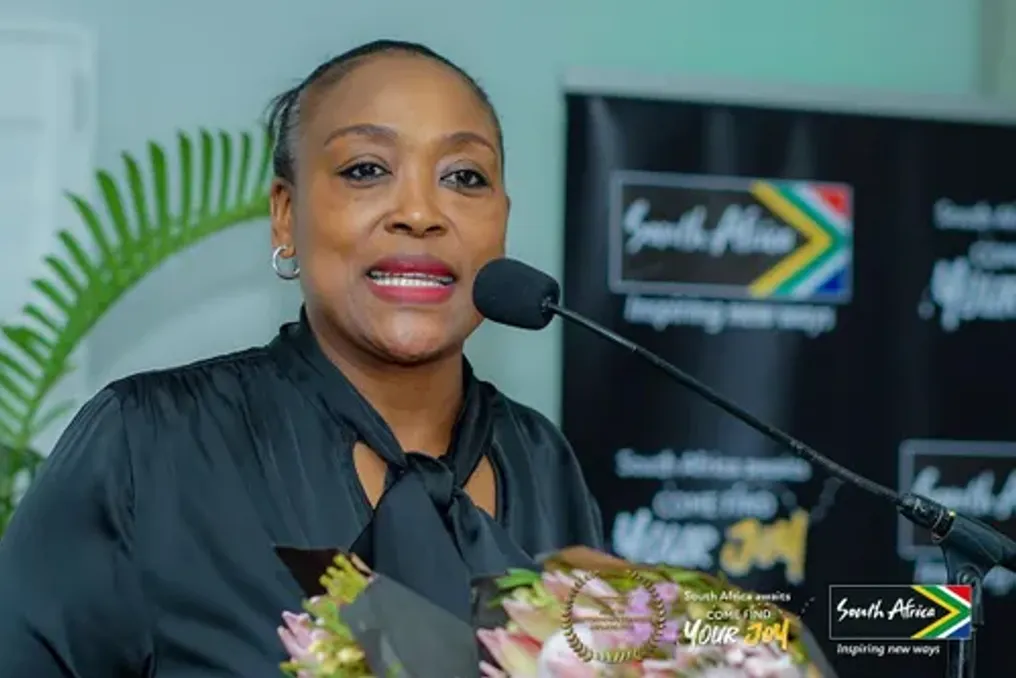
The awards also highlighted the economic contribution of gastronomic tourism and its potential to attract visitors to South Africa. Sitembile Ndaba, Marketing Director of South African Tourism and a keynote speaker at the ceremony, stated that food offers a powerful way to share the country's cultural diversity with the world. A study conducted by Data Appeal analyzed over 1.3 million reviews from international travelers between September 2025 and September 2026, finding that South Africa's food and beverage sector achieved a sentiment score of 90.7 out of 100, according to Ndaba. She noted that this data indicates a positive response from visitors to the country's gastronomic experience, and that gastronomy can play an even greater role in influencing travel decisions. Ndaba emphasized: 'We must also celebrate our chefs who do more than just cook exceptional food. They tell our stories, share our heritage and culture, and represent South Africa to the world with immense pride.'
Lance Gibbons, CEO of Gastronomy Africa, stated that recognizing excellence in five categories is important for strengthening the food sector's contribution to tourism and economic growth. He added that the awards provided the industry with a common platform to demonstrate that South African gastronomy is capable of offering a world-class experience. From Kruger National Park and local Cape gastronomic experiences to sustainable hospitality in the Midlands and internationally distributed wine, the 2026 winners reflect the diverse ways South Africa's food culture can help visitors discover the country.