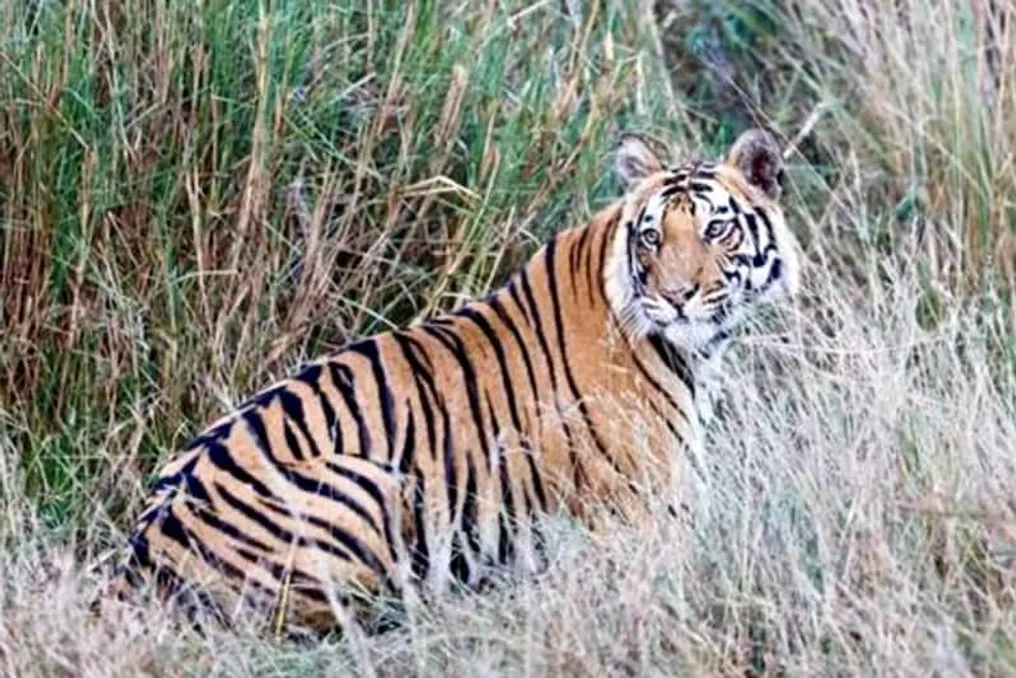
The Shadhol region in Madhya Pradesh is known for its rich forest cover and biodiversity. The dense forests here serve as natural routes for many wild animals, including tigers, elephants, leopards, and bears. Due to its location between the forest areas of Madhya Pradesh and Chhattisgarh, the Shadhol forests play a critically important role in wildlife conservation.
Although Shadhol itself is not a tiger reserve, its forest lands are vital for ecological corridors connecting the Bandhavgarh, Kanha, and Sanjay Gandhi reserves with the Achankmar reserve in Chhattisgarh. Special attention is paid to the Southern Forest Division area, which is considered a key link in the movement of wild animals.
The Shadhol forests provide a favorable habitat due to the presence of sal forests, natural water sources, and sufficient food. Tigers can use these forests to expand their territory and search for new habitats in other forests, while elephants travel long distances along their traditional paths.
These natural pathways help animals move from one forest mass to another. These natural routes maintain connectivity and migration among wild animals living in different forests.
Bandhavgarh Tiger Reserve in Umaria district is famous for its tigers, but the presence of elephants is also crucial for wildlife conservation. The movement of elephants from Chhattisgarh through the Anuppur and Shadhol forest areas to Bandhavgarh demonstrates the importance of these forests. Since early 2018, the appearance of elephants in the Bandhavgarh area has become an important aspect of conservation efforts.
Ecological corridors are natural paths that animals can use to move from one forest to another. These routes may include not only forests but also rivers, hills, villages, and settlements. Ensuring the safety of these corridors maintains contact between different natural habitats of wild animals, helping them find food, water, and new places to live.
However, deforestation, construction work, and other anthropogenic impacts can create obstacles on these paths, disrupting animal movement and increasing the risk of human-wildlife conflict.
Residents of settlements located in the migration areas of tigers and elephants need to be vigilant. If a wild animal is spotted near a forest or village, one should avoid approaching, surrounding, or provoking the animal. In such cases, it is extremely important to report it to the forest department.
Maintaining natural habitats, as well as the availability of water and food in forest zones, is also an integral part of wildlife conservation. The Shadhol, Anuppur, and Umaria forests play a key role in protecting the natural heritage of Madhya Pradesh. It is important to preserve these natural corridors between the forest areas of Madhya Pradesh and Chhattisgarh to conserve tigers, elephants, and other wildlife, as well as to maintain biodiversity.