An important notification has emerged for millions of people who use the services of Indian Railways daily for comfortable and economical travel. A change in the railway ticket booking rule comes into effect on October 27, which is directly related to ensuring passenger safety.
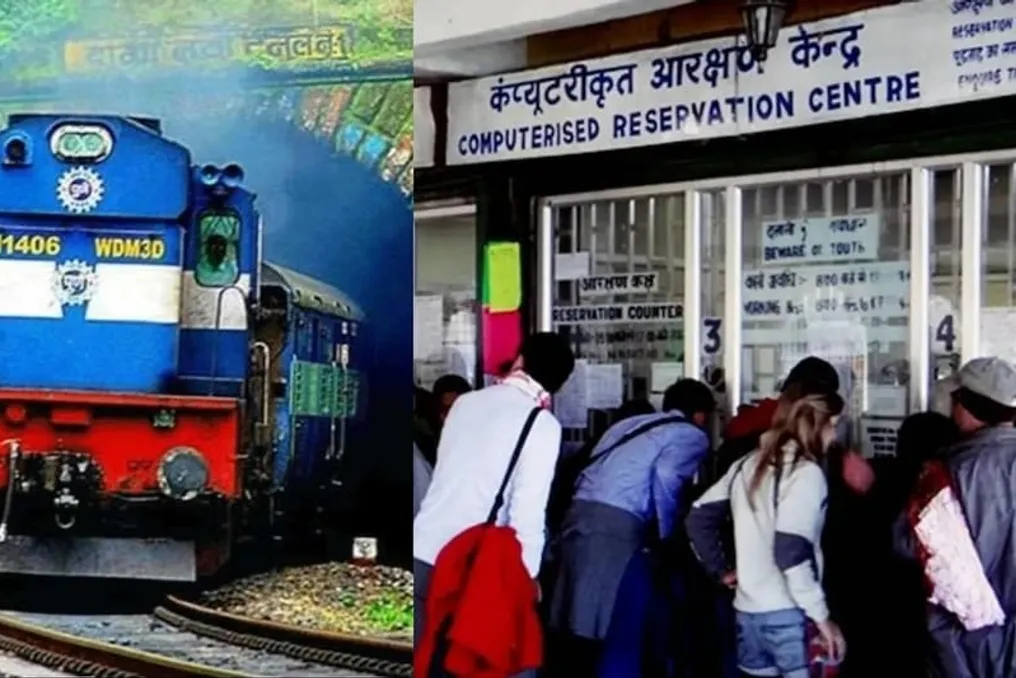
This significant change is being implemented by Indian Railways based on a Supreme Court directive. Passengers can now avail themselves of insurance services even when purchasing tickets through counters at railway stations.
The details of the change in Indian Railways rules are that starting October 27, insurance coverage will be provided when tickets are purchased directly at the counters. Previously, the option to choose travel insurance was only available when booking tickets through the Indian Railways website or mobile application managed by IRCTC.
The decision to change the rules and introduce a new regulation is driven by concern for traveler safety. It was made following a Supreme Court directive after a railway accident occurred in Odisha in June 2023. The court itself issued an order on October 6 of this month, requiring that insurance coverage extend to all tickets bought at railway station ticket offices.
Under the existing optional railway travel insurance program, available during online ticket booking, passengers can receive coverage up to 10 lakh rupees in case of death or permanent total disability. The cost of the online insurance policy is only 45 paise per passenger, including taxes. However, information regarding the premium rate, required documents, and compensation procedures for tickets bought at counters is not yet fully clarified.
The introduction of insurance coverage for tickets bought at counters, similar to that provided for online tickets, is particularly important for passengers who rely on station counters. The Supreme Court's goal is to equate offline booking with online booking, ensuring that passengers who do not use digital platforms are not left without insurance protection.
The Supreme Court also warned Indian Railways that the Railway Board itself would bear responsibility if this directive is not complied with.