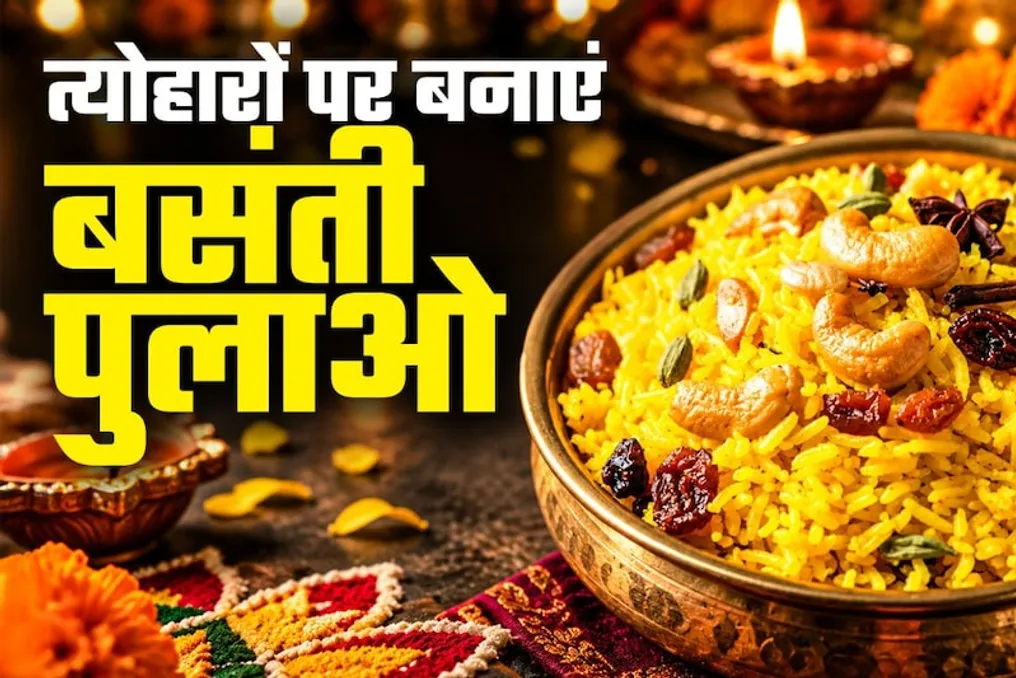
Bengali Basanti Pulao Recipe: A Traditional Festive Dish
Read more
Aaj Tak
www.aajtak.in

Bengali Basanti Pulao Recipe: A Traditional Festive Dish

During festive periods, various dishes such as puri and kachori are traditionally prepared. However, if you wish to delight guests and family with something more exquisite, you should try the famous and traditional Bengali dish—Basanti Pulao.

This yellow, slightly sweet rice is made from aromatic Gobindobhog rice, using coconut oil, a pinch of turmeric, saffron, and plenty of nuts. Its distinctive aroma makes it very appealing, and it is traditionally served at celebrations such as Durga Puja, Diwali, and any other significant event.

Ingredients needed include: 1 cup of Gobindobhog rice (or small-grained basmati pieces), 2 tablespoons of pure coconut oil, 1/2 teaspoon of turmeric powder, 1/2 inch of grated ginger, 2 tablespoons of sugar (to taste), 1/2 teaspoon of garam masala powder, and salt to taste; 8-10 strands of saffron (soaked in 2 tablespoons of warm milk); whole spices (1 bay leaf, 2 green cardamom pods, 1 cinnamon stick, 4-5 cloves); 10-12 cashews and 10-12 raisins.

First, the rice must be washed and spread on a cotton cloth to dry for 15-20 minutes. Then, in one bowl, mix the rice with turmeric, ginger paste, garam masala, 1 tablespoon of coconut oil, and a small amount of salt, thoroughly mixing by hand. Cover this mixture and let it sit for 20 minutes so that the color and flavor penetrate the rice evenly.

In a frying pan or pot, heat 1 tablespoon of coconut oil. Fry the cashews and raisins in this oil until lightly golden, then transfer them to a plate. In the same oil, fry the whole spices (bay leaf, cardamom, cloves, cinnamon) until fragrant. Next, add the marinated rice to the pan and sauté over low heat for 2-3 minutes, stirring gently.

After this, add 2 cups of warm water (twice the amount of rice) and the soaked saffron to the rice. Cover the pan and simmer over low heat for 10-12 minutes, until 80% of the water has evaporated. When most of the water has gone, top with the fried cashews, raisins, and sugar. Gently stir, cover again, and let it steep over very low heat for another 5 minutes. After turning off the heat, leave the pot covered for another 5 minutes to ensure the rice is fluffy. The finished, aromatic, tender, and delicious Bengali Basanti Pulao is best served hot, for example, with potato or eggplant curry.

Similar stories

Dussehra Lunch Ideas: Recipe for Crispy Lentil Stuffed Flatbreads and Cheese Curry
Read more
www.aajtak.in

Dussehra Lunch Ideas: Recipe for Crispy Lentil Stuffed Flatbreads and Cheese Curry

Dussehra, or Vijayadashmi, is a sacred festival symbolizing the victory of good over evil and an opportunity to share joy with loved ones. On this day, it is customary to gather as a whole family for a shared meal. Often, people opt to order food from restaurants, but this can lead to stomach discomfort and a diminished festive mood.

If you want to delight your relatives with something very tasty, sattvic, and comparable to dishes from expensive cafes, the ideal option is a combination of crispy flatbreads stuffed with lentil paste and a rich, creamy cheese curry. When fluffy flatbreads filled with spicy lentil stuffing are served with a tender cheese sauce, all guests invariably admire the dish. A simple instruction for preparing this treat is provided below.

For the lentil stuffed flatbreads:

Requires 1 cup of lentil paste (soaked and cooked for 3-4 hours), 2 cups of wheat flour, 1/2 teaspoon of cumin seeds and asafoetida, 1/2 teaspoon of fennel powder and garam masala, 2 green chilies and 1 inch of ginger (chopped), salt to taste, and oil/ghee for frying.

For the Paneer Cheese Curry:

You need 250 grams of cheese (cut into cubes), paste from 3 tomatoes, 1 inch of ginger and 2 green chilies, paste from 10-12 cashews (soaked in water for 15 minutes and ground), 1/2 cup of freshly whipped yogurt or cream, 1 teaspoon of cumin, 2 cloves, 1 small cardamom and 1 bay leaf, 1 tablespoon of coriander powder, 1/2 teaspoon of turmeric, 1 teaspoon of Kashmiri red chili, 1/2 teaspoon of dried mint and garam masala, 2 tablespoons of clarified butter or oil, salt to taste.

Secret to the lentil paste stuffing: Grind the cooked lentil paste in a blender until coarsely textured, without adding water. Heat 1 teaspoon of oil in a pan and sauté cumin, asafoetida, ginger, green chili, fennel powder, garam masala, and salt together with the ground lentil paste for 2-3 minutes. (Sautéing the lentil paste prevents the flatbreads from tearing during frying).

Technique for kneading and rolling the dough for the flatbreads: Mix the wheat flour with a small amount of salt and 1 tablespoon of fat (moin), then knead a sufficiently firm dough. Roll the dough ball into a cup shape, fill it with 1 teaspoon of cold lentil paste filling, and seal it. Gently roll out the flatbread and fry it in medium-high hot oil until golden and puffy.

Preparing the rich cheese curry: Heat the clarified butter in a pot. Sauté the whole spices (cumin, cloves, cardamom, bay leaf). Then add the tomato and ginger paste, along with dry spices (turmeric, chili, coriander), and simmer until the oil separates. After that, stir in the cashew paste and whipped yogurt, stirring constantly for 2 minutes. Add 1 cup of hot water and bring to a boil. Then add the cheese cubes, dried mint, and salt, and simmer on low heat for 4-5 minutes. Serve garnished with fresh cilantro and garam masala.

Serve the hot, fluffy flatbreads with the rich and creamy cheese curry to enjoy lunch on Dussehra!

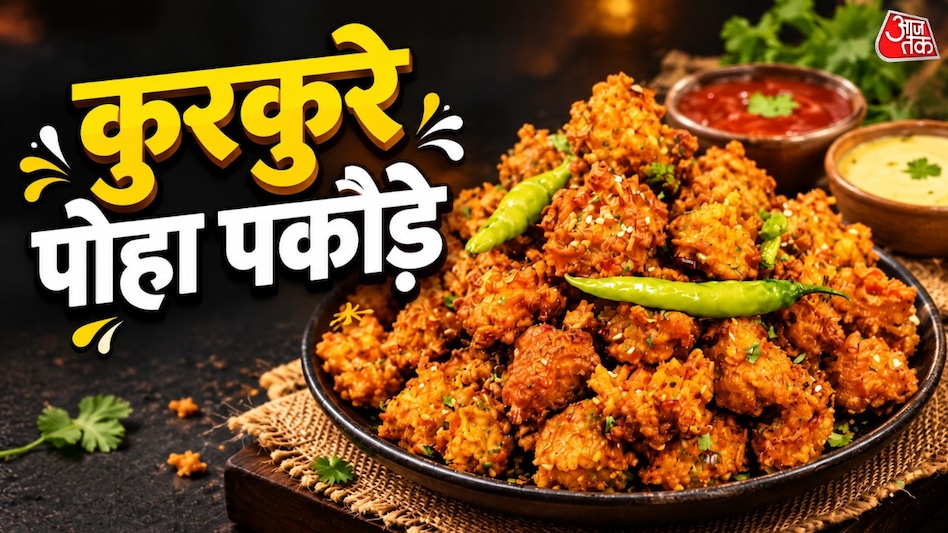
Poha Pakoda Recipe: Crispy Fritters with Flavor
Read more
www.aajtak.in

Poha Pakoda Recipe: Crispy Fritters with Flavor

There are many types of pakoda, including onion, potato, and cauliflower pakodas. However, if you want to try something new and delicious, you can make poha pakodas. These pakodas are made from poha, boiled potatoes, onions, and spices; they turn out crispy on the outside and soft inside.

The taste of this pakoda is further enhanced when served with green chutney or chaat masala. A distinctive feature is that they are very easy to prepare at home and do not require many ingredients.

Enjoying hot pakodas with tea during a light evening hunger makes the taste even more pleasant. If you also want to try something different from regular snacks, be sure to make these poha pakodas. The recipe for making poha pakoda and a list of necessary ingredients are presented below.

The following components will be needed for preparation: 1 cup of poha (thick or medium grind), 1 boiled potato (mashed), 1 onion (finely chopped), 2 green chilies (finely chopped), 1 teaspoon of grated ginger, 2 tablespoons of green coriander (finely chopped), ¼ teaspoon of turmeric, ½ teaspoon of red pepper powder, ½ teaspoon of garam masala, 1 teaspoon of lemon juice or amchur powder, salt to taste, 2 tablespoons of besan, and 1 tablespoon of rice flour (optional), as well as oil for frying.

Popular