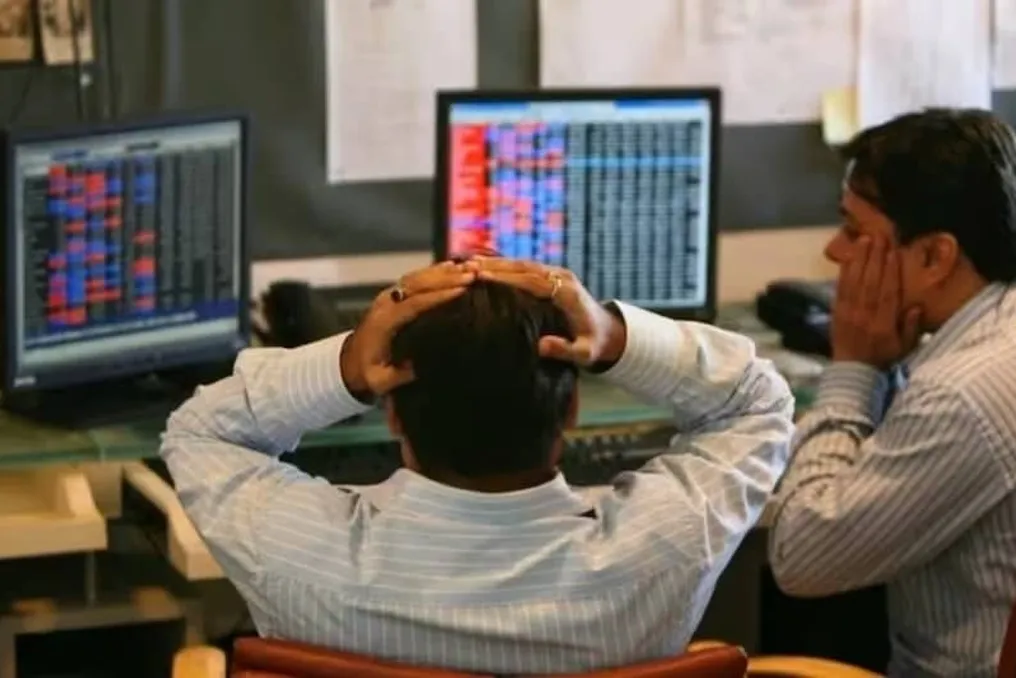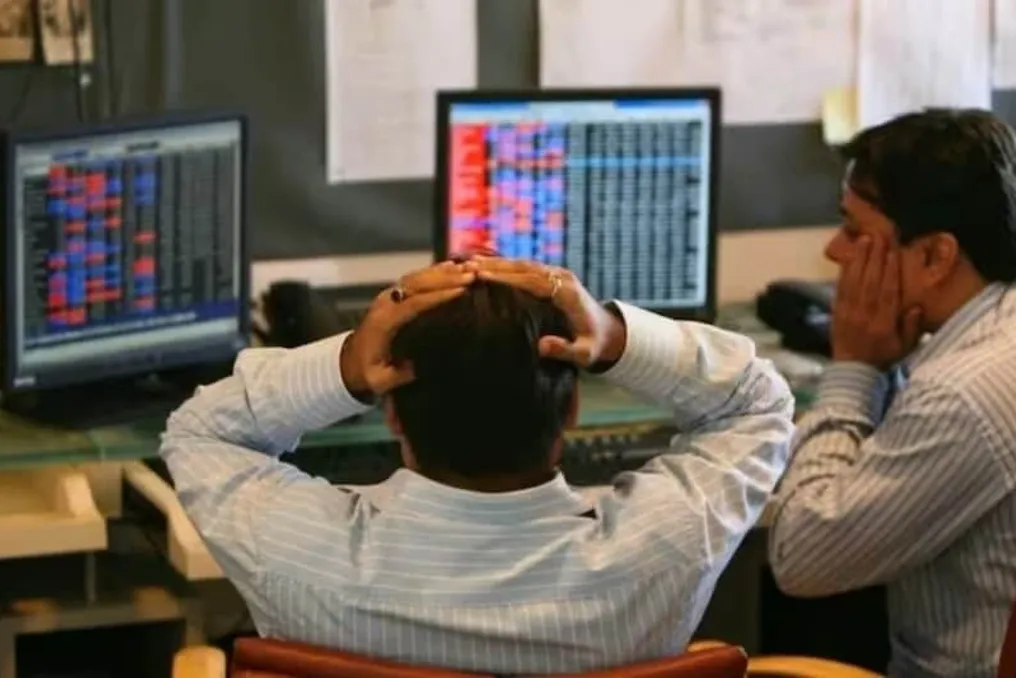
Tensions in West Asia are having a serious negative impact on the Indian stock market. Amid rising crude oil prices and inflation concerns, selling pressure is observed. On Friday, the Sensex index closed down for the fourth consecutive working day. Over the last four trading sessions, the total market capitalization of companies listed on the Bombay Stock Exchange (BSE) has decreased by approximately ₹20.79 trillion.
The Sensex on the BSE fell by 125.56 points, or 0.17%, on Friday, closing at 73,123.83. Despite the shortened working week due to holidays, the Sensex overall dropped by 1605.44 points, or 2.15%. This decline was reflected in the market capitalization of companies. If the total market capitalization on the BSE was ₹472,62,167.42 trillion on October 16, it reduced to ₹451,83,393.14 trillion over four working days, corresponding to a loss of about ₹20.79 trillion.
There are five key factors that have led to the sustained fall of the Indian stock market over four days. Firstly, growing tensions in the Middle East, causing investor concern over potential US-Iran tensions and threats of American strikes on Israel. Secondly, the sharp rise in crude oil prices; Brent Crude reached $116.73 per barrel, increasing the risk of inflation in India. Thirdly, inflation fears related to expensive fuel intensified selling in the market. The fourth factor is the downturn in American stock markets, which prompted Indian investors to exercise caution. Finally, the weakening rupee and rising yields on US bonds added anxiety for investors and put pressure on the domestic market.
The primary reason for the stock market decline is the significant jump in crude oil prices. Increasing geopolitical instability in the Middle East raises the probability of oil supply disruptions. On Friday, the price of Brent Crude rose by approximately 3%, reaching $116.73 per barrel, exceeding the $116 mark. The rise in oil prices to a five-month high caused concern among investors. Siddharth Kemka, Head of Wealth Management at Motilal Oswal Financial Services, noted that geopolitical tensions and high crude oil costs could continue to pressure the Indian market.
The risk of increased inflation due to rising oil prices can affect the economy and company costs. Tensions between the US and Iran, setbacks in diplomatic negotiations, and reports of possible new American strikes on Iranian nuclear and military targets have heightened uncertainty. Furthermore, supply concerns intensified after Houthi attacks on Saudi Arabian oil facilities from Yemen.
On Friday, shares of Tata Steel and Adani Ports were among the most affected companies listed in the Sensex, falling by more than 3%. In addition to them, shares of Trent, Tech Mahindra, Bharat Electronics Limited (BEL), Indigo, Bajaj Finserv, Kotak Mahindra Bank, Titan, Bajaj Finance, NTPC, State Bank of India (SBI), and Hindustan Unilever also closed lower. Nevertheless, some stocks showed growth: Eternal, Larsen & Toubro (L&T), Reliance Industries, Tata Consultancy Services (TCS), Ultratech Cement, Asian Paints, Maruti Suzuki India, Infosys, and ICICI Bank closed with positive momentum.
Ankur Punj, Managing Director of Equirus Wealth, stated that the downturn in American stock markets made Indian investors more cautious. This decline, combined with the rise in global crude oil prices and the weakening rupee, intensified selling pressure. He added that although most Asian markets showed improvement, India remained concerned about inflation due to expensive crude oil and rising US bond yields, which impacted the domestic market.
Next week, investors will also be watching the listing of Jio Platforms shares. The company's IPO, valued at ₹30,213 trillion, was subscribed 22.19 times. The shares are planned to be listed on BSE and NSE on October 28. The listing may provide insight into market trends. Additionally, investors will closely monitor the Federal Reserve System meeting scheduled for October 27 and 28. Market sentiment may also be influenced by initial unemployment data in the US, GDP growth figures, and the Bank of Japan's decision on interest rates. Second-quarter results from companies will also be crucial in determining the market direction. Results for companies such as Paytm, Tata Consumer, L&T, Maruti Suzuki, Hindustan Unilever, Adani Ports, Trent, Sun Pharma, Bharat Electronics Limited, and others will be announced next week.
Currently, the market direction is being determined by crude oil prices and events in the Middle East.