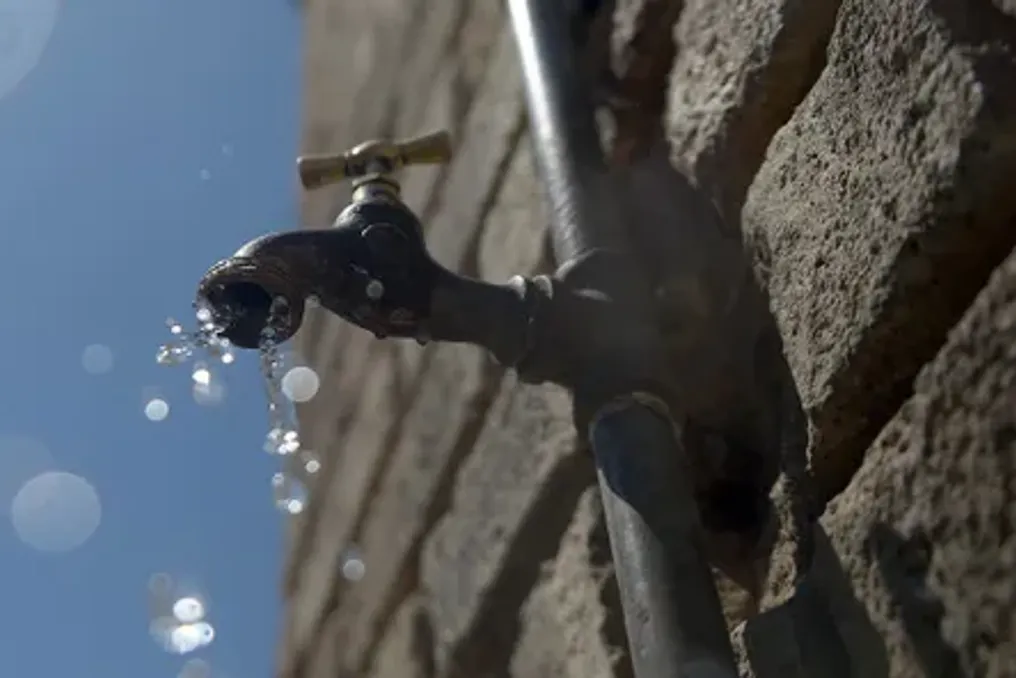
Residents were advised to refrain from using tap water in Tshwane because the water supplied to the Bronkhorstspruit treatment plant did not contain chlorine. As a result, residents contracted gastrointestinal infections.
According to a joint investigation that revealed the city failed to notify the public of the danger, at least 408 people, most of whom are children under four years old, fell ill after the Bronkhorstspruit treatment plant in Tshwane supplied unchlorinated water for three weeks. Cases were recorded between October 7 and 18, and fortunately, no deaths were registered. Laboratory tests indicate contaminated water as the likely source of the illness.
A joint inspection conducted by health authorities, the Department of Water Resources and Sanitation, and the City of Tshwane established that problems with the city's chlorine supplier led the plant to supply unchlorinated water from September 24 to October 14. A joint statement noted that the city failed to warn residents that the water was unsafe for drinking, cooking, washing, or bathing, even after boiling. This requirement is stipulated in the Mandatory Requirements Standard for Water Supply Services 2025, issued in accordance with the Water Supply Act.
Minister of Water Resources and Sanitation Pemmy Majodina reported that the peak of new cases occurred on October 13, when 72 cases were recorded, after which the number dropped to 16 by October 18. He stated: 'Between October 7 and 18, it is confirmed that 408 cases of gastrointestinal diseases were registered. Most patients are under four years old. No deaths have been reported to date.'
The National Institute of Infectious Diseases detected norovirus, campylobacter, and shigella in three out of four analyzed stool samples, as well as other pathogens associated with stomach spasms and diarrhea. However, cholera bacteria were not found in these stool samples. Separate water tests conducted on October 14 revealed extremely high levels of E. coli and total coliform bacteria in the water from the plant, as well as in the Ekandustria and Zitobeni reservoirs.
Affected communities include Zitobeni, Bronkhorstspruit, Dark City, Retabiseng, and Sohlumi in Region 7 of Tshwane. The plant draws water from the Bronkhorstspruit River, which, the investigation revealed, was contaminated with sewage from faulty sanitation facilities of the Victor Hany municipality and malfunctioning sewage pumping stations in Tshwane.
Tshwane Mayor Nasiphi Moya defended the city's communication policy, stating that officials needed to cooperate with other agencies to determine the cause before making a final statement. Nevertheless, she emphasized that the city would hold those responsible accountable. She added that the municipal health advisor had reported cases of diarrhea, but officials could not yet confirm the cause. However, the investigation's conclusion related to a different issue: the inability to warn residents that the water was not chlorinated.
The findings were discussed at an intergovernmental meeting on Sunday, October 18, attended by Majodina, Health Minister Dr Aaron Motsoaledi, Gauteng Premier Panyaza Lesufi, and Moya. The meeting presented a consolidated report on cases, laboratory results, the investigation, and urgent measures to protect the population.
The city closed the plant on October 14. Chlorine supplies were restored by October 15, and the plant resumed supplying the distribution system on October 16, but residents were informed that the water was still not safe for consumption. Currently, the city is delivering drinking water via tankers from the Cullinan treatment plant; tests show this supply is safe. Authorities are increasing distribution through 36 tankers.
Residents were instructed not to drink tap water or use it for cooking, bathing, brushing teeth, washing food or clothes. The water can only be used for flushing toilets. They were also advised to dispose of stored water and disinfect containers with household bleach. The investigation showed that pumps, sand filters, and other equipment at the plant were not functioning. Tshwane is in the process of appointing Rand Water to improve the plant's operation, but the timeline for when tap water will be safe again has not been determined. The Water Research Commission began independent testing on October 18, with initial results expected on Wednesday, and a report on the causes by October 28. The Democratic Alliance (DA) filed a criminal case against the city at the Pretoria Central police station.