In light of the new wave of gender-based violence and femicide in South Africa, Mental Health Awareness Month should prompt society to consider the state of mind of women who have experienced violence, grieving families, and communities struggling to live in an atmosphere of fear.
South Africa is all too familiar with the language of violence against women. When another woman is killed, families await answers, and another name is added to a growing list, triggering a new national discussion. However, once the newspaper headlines fade, the consequences remain. For surviving victims, bereaved families, and communities forced to confront these crimes, it is impossible to simply return to normal life. Fear, grief, anger, and anxiety about who will be next are present.
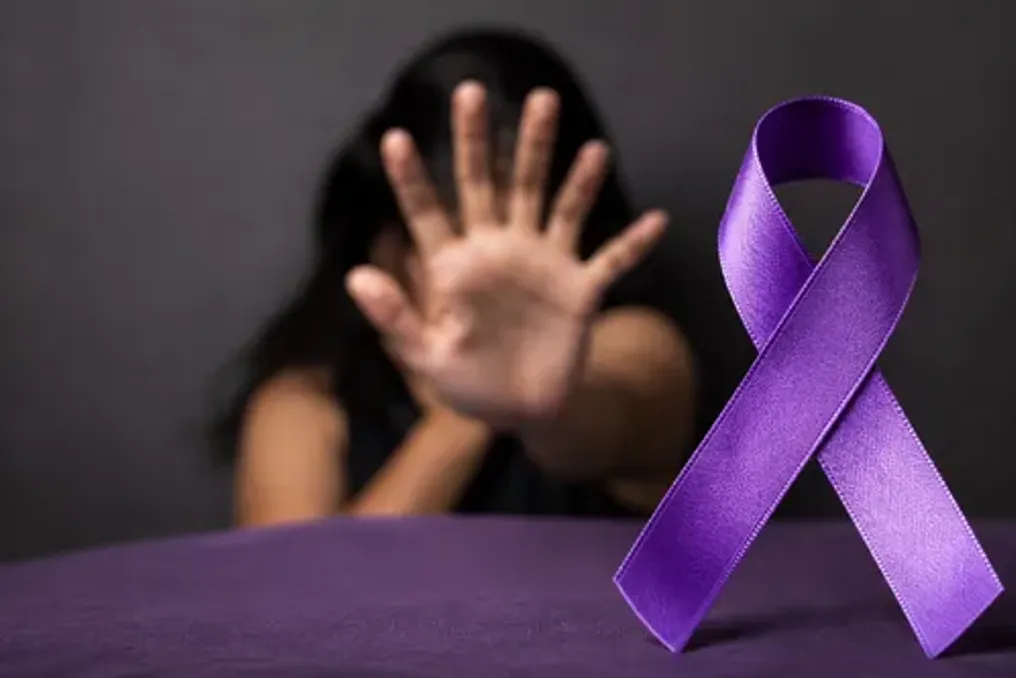
For this reason, the crisis of gender-based violence and femicide (GBVF) in the country must also be viewed as a mental health crisis.
Recent killings in Ekurhuleni have brought this issue back into national focus. In September, the government confirmed the discovery of several female bodies in the area, and President Cyril Ramaphosa later stated that 11 female bodies had been found in Ekurhuleni since July. Although authorities cautioned against speculating on a link between the cases until investigations are complete, individual circumstances do not change the overall picture: South Africans are once again facing the devastating question of women's safety.
The issue is not just the number of women killed. We must also ask how many women live differently because they are afraid of becoming the next. How many share their locations while traveling, avoid certain roads, call family members upon reaching a safe place, or change their routines due to fear? How many parents worry when their daughters do not answer calls? These actions may seem like ordinary precautions, but living constantly under the threat of violence can have a profound psychological impact.
The consequences of GBVF extend far beyond the directly attacked person. When a woman is killed, her children, parents, siblings, friends, and colleagues may experience grief and trauma. Children may lose both their mother and their sense of security simultaneously. Families may be left with unanswered questions, financial difficulties, and the psychological burden of trying to rebuild their lives. Communities can become increasingly fearful and hypervigilant, while constant exposure to violent news can lead young people to believe that violence against women is an inevitable part of life.
The World Health Organization recognizes violence against women as a serious public health issue and links experiences of violence to severe mental health outcomes, including depression, anxiety, and post-traumatic stress disorder. This means that trauma does not necessarily end when the immediate danger has passed; it can follow survivors home, into relationships, workplaces, and communities. It can affect their ability to work, sleep, trust others, and feel safe.
This is especially important in October, Mental Health Awareness Month. South Africa cannot continue to discuss mental health as if it exists separately from the social conditions people are experiencing. Advising someone to prioritize their mental well-being while ignoring surrounding violence, insecurity, and trauma is insufficient. A survivor cannot simply 'move on' just because a criminal case is being investigated, nor can a child who witnessed violence be expected to cope with the experience without proper support.
Therefore, mental health services must become part of the country's response to GBVF, rather than being treated as an optional intervention after a tragedy. South Africa's National Strategic Plan on GBVF already acknowledges the importance of care, support, and healing alongside prevention, justice, and accountability. The challenge is to ensure that these commitments translate into accessible services for survivors, families, and communities, especially for those who cannot afford private psychological help.
At the same time, South Africa must stop placing the responsibility for preventing violence predominantly on women. Women are regularly told not to walk alone, not to travel at night, to share their location, to watch their surroundings, and to take numerous precautions. While personal safety measures have value, they cannot replace eliminating criminal behavior and social conditions that allow violence to persist. Women should not be forced to restructure their lives around the possibility that someone might harm them.
Therefore, prevention must start much earlier. Boys and young men must learn that control is not love, that violence is not an acceptable response to conflict, and that consent and respect are fundamental to healthy relationships. Men should be encouraged to challenge misogynistic and violent behavior among their peers. Schools, families, sports organizations, religious communities, and civil society organizations play a role in changing attitudes before harmful behavior escalates into violence.
Business also cannot treat GBVF as an issue existing outside the workplace. An employee experiencing domestic violence may come to work frightened, exhausted, or traumatized. A person whose partner or family member has been killed may grieve while still being obligated to maintain normal productivity. Another employee may be supporting a child who witnessed violence. These experiences do not disappear when someone walks through an office door. Therefore, employers need effective support systems, including confidential counseling and referral pathways that align with workplace policies and an environment where employees can seek help without fear or stigma.
South Africa's response must ultimately go beyond reacting to each tragedy after it occurs. Government, law enforcement, healthcare workers, businesses, communities, and civil society must work together on prevention, survivor support, mental health services, accountability, and education. The recently established National Council on Gender-Based Violence and Femicide provides an important opportunity to strengthen coordination, but structures alone are not enough to end the crisis. It is crucial whether these structures lead to measurable changes in people's lives.
Mental Health Awareness Month should give South Africa a reason to look beyond the headline and confront what happens after the cameras leave. When a woman is killed, the impact does not end at the crime scene. It continues in the child who must grow up without a mother, in the family trying to recover from unimaginable loss, in the friend who now fears for their own safety, and in the community slowly learning to live with violence as if it were inevitable.
Thus, the response to GBVF should be measured not only by arrests, court cases, or public statements after another tragedy. It should also be measured by whether survivors can receive help, whether families receive meaningful support, whether communities feel safer, and whether women can go about their daily lives without constantly calculating the risk of harm. Mental health must be part of this assessment, as safety is not just about whether a person is physically alive; it is also about whether they can live without being consumed by fear.
South Africa cannot continue to demand resilience from women in the face of conditions that repeatedly traumatize them. Resilience must never become an excuse for society to tolerate violence. The responsibility lies with all of us: the government must strengthen accountability and support services; institutions must respond when people seek help; businesses must acknowledge the impact of GBVF on employees; communities must challenge harmful behavior; and families and schools must help youth understand that respect, consent, and healthy relationships are not an option.
Ultimately, the question is not just how many women we will mourn next time. The question is what we are willing to change so that fewer families have to mourn at all.
If Mental Health Awareness Month aims to create a society where people can talk about their struggles and seek help, then we must also be prepared to confront the conditions that generate those struggles. We cannot separate mental well-being from safety, and we cannot separate safety from the fight against gender-based violence.
South Africa does not need another generation of women who are simply better at surviving in fear. It needs a generation free from it.
The goal cannot simply be to mourn women better. The goal must be to build a country where there are fewer women to mourn.