Lamayuru Moonland in Ladakh: Picturesque Village Near Leh with Moon-like Hills
Read more
Aaj Tak
www.aajtak.in

Lamayuru Moonland in Ladakh: Picturesque Village Near Leh with Moon-like Hills

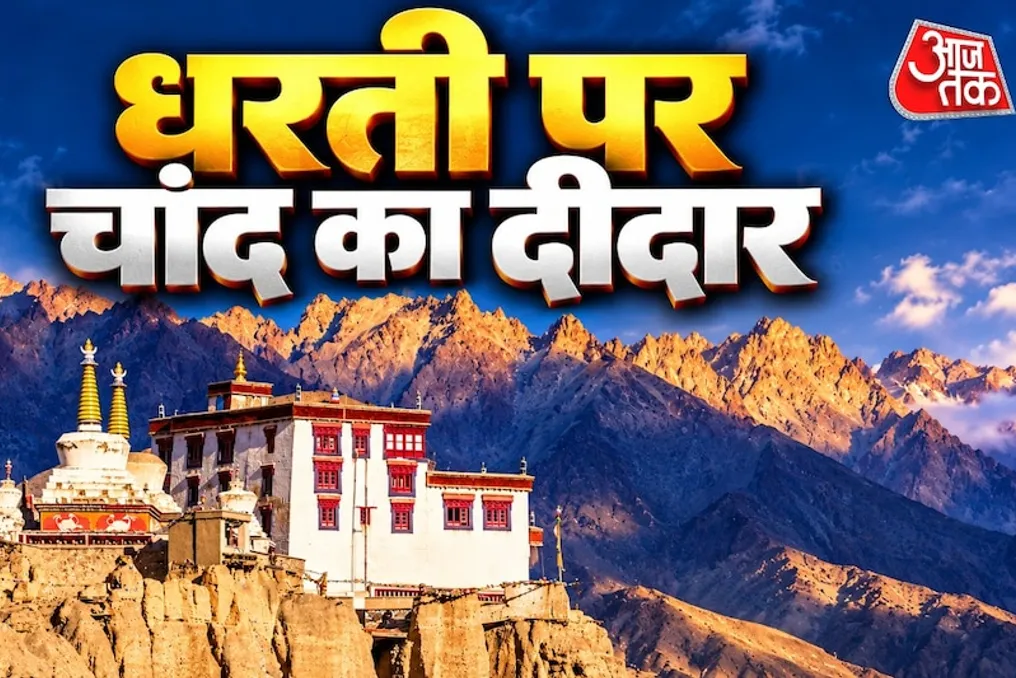
For lovers of mountain beauty, Ladakh offers a unique place that can amaze visitors. Here, the hills and bizarre land formations look as if one is not on Earth, but on the Moon. This place is called Lamayuru Moonland. The sprawling brown, yellow, and gray mountains create an unparalleled landscape.

Lamayuru Moonland is located near the Leh-Shrinagar highway in Ladakh. In addition to unusual mountain views, this place is known for its ancient Buddhist monastery. If you are planning a trip to Ladakh, it is worth including this location in your travel list.

Reason for the Name Moonland

The main reason Lamayuru is called Moonland lies in its unique mountains. Usually, when speaking of the Himalayas, people recall snow-capped peaks and green slopes, but here the picture is completely different. Here, rounded mountains, deep valleys, and eroded rocks stretching over long distances are visible.

The shape of the landscape has been formed by the long-term impact of wind, water, and climate. Changing the lighting, the color of the mountains also transforms: they can look light brown, golden, or orange. This is what gives the place a resemblance to the lunar surface. Visitors can observe these mountains from safe spots along the road. This place is also very attractive to photography enthusiasts.

Significance of Lamayuru Monastery

Besides Moonland, Lamayuru is famous for its ancient Buddhist monastery, known as Lamayuru Monastery or Yuru Gompa. It is one of the most important Buddhist religious centers in Ladakh and is associated with the Drikung Kagyu tradition. The monastery is located at an altitude of about 3510 meters above sea level. According to legends, the Buddhist yogi Naropa meditated here in the 11th century. Local tales say that there was once a lake in this valley that later dried up, after which the religious center was founded in this place.

The old buildings of the monastery, the calm atmosphere, and the surrounding mountains make this place special. By visiting it, one can get closer to the Buddhist culture and traditions of Ladakh.

Special Atmosphere During Festivals

If you want to immerse yourself deeper into the culture of Lamayuru, visiting the annual Buddhist festival of Yuru Kabgyat will be an unforgettable experience. During this festival, monks perform the Cham dance in traditional costumes and bright masks. These dances have religious significance in Buddhism. Locals and tourists gather during the festival, providing an opportunity to see the traditions and culture of the place from the inside. However, the date of the festival may change every year, so it is recommended to check the information on the monastery's official website before traveling.

Best Time to Visit

The best time to visit Lamayuru Moonland is from May to September. During these months, the weather is relatively comfortable, and it is easier to get there by car. In June and July, the days are long, and in September, the mountains can display beautiful views thanks to the colors and clear sky.

If you aim to take high-quality photos, it is worth arriving early in the morning or closer to the evening. At this time, the sunlight emphasizes the texture and shades of the mountains.

Lamayuru Moonland is located on the Leh-Shrinagar highway. There are several ways to get there:

  • Air route: The nearest airport is Kushok Bakula Rimpoche Airport in Leh. From there, you can take a taxi to Lamayuru.

  • Road route: The distance from Leh to Lamayuru is approximately 115–127 kilometers. Beautiful mountain views open up along the way. Since the journey can take many hours, you should leave with plenty of time.

Important points to consider:

Ladakh is located at a high altitude, so upon arrival, do not rush into long trips or strenuous walks. Especially after flying into Leh, it is necessary to give the body enough time to acclimatize to the altitude. Be sure to bring warm clothing, sunglasses, sunscreen, and drinking water. Despite the cool air, the sun can be very strong. Furthermore, infrastructure may be limited in remote areas, so it is necessary to prepare for the trip in advance.

Similar stories

Five Famous Monasteries of Ladakh: Spiritual Centers Amidst the Mountains
Read more
www.aajtak.in

Five Famous Monasteries of Ladakh: Spiritual Centers Amidst the Mountains

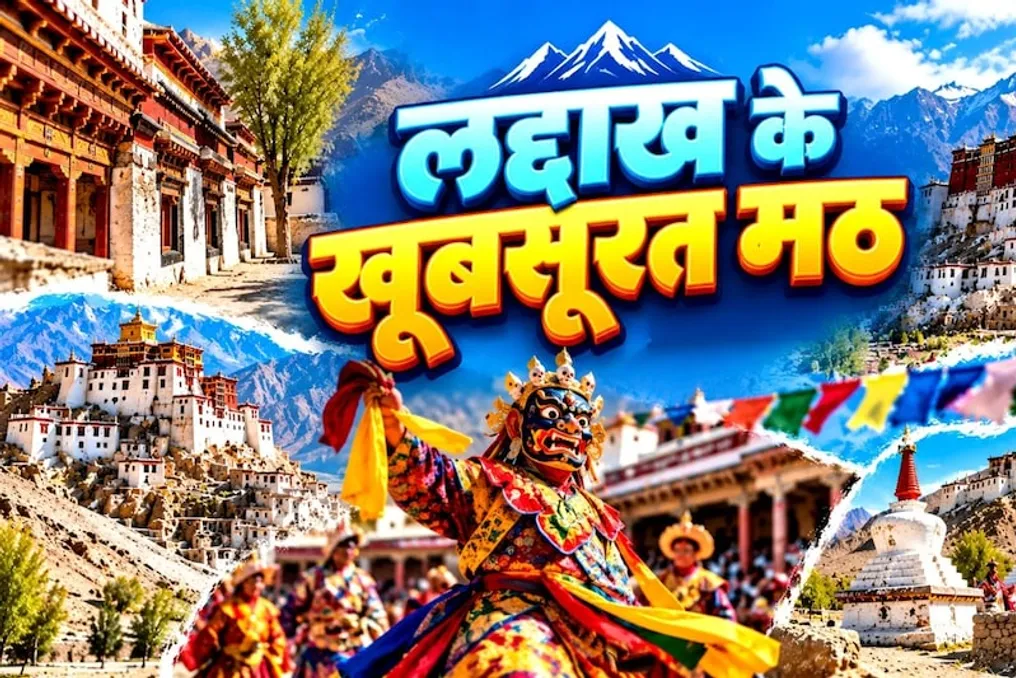
Ladakh is associated with majestic mountains, picturesque valleys, and snowy peaks; however, besides its natural beauty, the region possesses a rich spiritual heritage. Numerous ancient Buddhist monasteries, known as gompas, are located in Ladakh. These structures serve not only as places for religious rituals but also as vital centers for preserving Buddhist culture, art, and education.

Situated in a tranquil atmosphere amidst the mountains, these monasteries offer an opportunity for solitude, meditation, and finding inner peace. If you aim to escape the hustle and bustle of daily life, it is worth including five outstanding Ladakhi monasteries in your travel list.

Alchi Monastery is located in the village of Alchi, which belongs to the Leh Ladakh district, and is considered one of the oldest in the region. Unlike most Buddhist monasteries built on elevated ground, Alchi is situated in a low-lying area by the banks of the Indus River. Its specialty lies in ancient works of art and magnificent wall paintings that display features of Tibetan and Kashmiri art. The complex includes three main temples: Dukhang, Sumtshek, and Manjushri. Here, visitors can see huge Buddha statues and ancient paintings, making this place attractive to lovers of history and spirituality.

Basgo Monastery is also located on the banks of the Indus River. It was built during the time of the rulers of Ladakh, Namgyal, in the 17th century and holds significant religious and historical value. The monastery stands on a hill overlooking the ruins of a nearby old settlement. Its grounds contain the Chamchung, Chamba Lhaang, and Serjang temples, and feature depictions of Maitreya Buddha and ancient frescoes. Thanks to its mountain location, Basgo offers beautiful views and is ideal for getting acquainted with the ancient heritage and Buddhist culture of Ladakh.

Lingse Monastery is located in the remote Jamsarka region of Ladakh. It was founded by Changsem Sherab Jangpo in the 1440s. Approximately 60 monks reside in this monastery, and it has six main places of worship. Lingse's most valuable quality is its secluded and peaceful environment. Located among the mountains, it is a wonderful place for meditation, spiritual pursuits, and quiet relaxation, allowing one to escape urban hustle and get closer to nature. However, since it is a remote area, it is necessary to clarify route and travel organization information in advance.

Karsha Monastery is located in the Padum valley, in the Jamsarka Ladakh region, and is also known as Karsha Chamspalin. It is among the largest and most significant Buddhist monasteries in Jamsarka. The Doda River flows near the monastery, originating from the Drang-Drung glacier. Here, visitors can see ancient temples, rock carvings, and old wall paintings. Among the oldest structures of the monastery is the Avalokiteshvara temple. For those who wish to study religious traditions more deeply, it is recommended to plan a trip during the Karsha Gustor festival, when traditional cham dances in masks are held. It should be noted that the festival dates change according to the Tibetan calendar, so prior verification is required.

Hemis Monastery is situated on the banks of the Indus River in the Hemis Ladakh region. It is closely associated with the Drukpa Buddhist tradition and serves as an important center for Buddhist education, practice, and culture. Tourists are attracted by the ancient paintings and religious customs of this monastery. It also features paintings of the 84 Mahasiddhas, executed using mineral pigments. The annual Hemis festival is very famous; traditional rituals and mask dances dedicated to Guru Padmasambhava are held in June. Hemis can be part of your trip if you want to experience the cultural and spiritual heritage of Ladakh.

These Ladakhi monasteries represent not only religious sites but also an opportunity to understand the history, art, and culture of the region. The calm atmosphere created by the mountains provides a chance to step away from daily rush and spend time alone with oneself. If your next trip involves natural beauty, consider visiting these monasteries for spiritual tranquility.

Meghalaya's Whistle Village: A Unique Indian Village Where People Communicate Using Whistles Instead of Names
Read more
www.aajtak.in

Meghalaya's Whistle Village: A Unique Indian Village Where People Communicate Using Whistles Instead of Names

India has many places known not only for their beauty but also for their unusual traditions. One such place is the village of Kongtong, located in the hills of Meghalaya. This village is also known as the 'Musical Village' of India. Its most remarkable feature is that residents use special melodies played on whistles to call each other instead of using ordinary names.

Nestled among lush forests, hills, and in a tranquil atmosphere, this village offers tourists a completely different experience. If you want to visit a place where you can get close to the local culture while enjoying natural beauty, Kongtong might be the perfect choice. The following discusses the specifics of this unique village and how to get there.

The Unique Tradition of Calling with Whistles

After a child is born in Kongtong village, the mother creates a special melody. This melody is connected to the 'Jingrwai Lawbei' tradition, which belongs to the matrilineal culture of the Khasi people. The villagers use these melodies to call each other. Every person has their own unique melody, which becomes their distinguishing characteristic. This is why the village is called the 'Whistling Village.'

Reasons for the Tradition's Origin

Kongtong is situated among hills and dense forests. In the past, it was difficult to call people who were far away. Under such conditions, loud and distinct whistle sounds allowed messages to be conveyed more easily. Over time, this method became part of the village's cultural identity, and today the residents continue to carefully preserve this tradition.

Kongtong village is located in the East Khasi Hills district of Meghalaya state, approximately 60 kilometers from Shillong. It can be reached by taxi or rented car from Shillong. Along the way, views of winding hills, green forests, and picturesque valleys open up. The village can also be reached via the road from Sohra (Cherrapunji).

Best Time to Visit

The optimal time to travel to Kongtong is from October to May. During this period, the weather is usually pleasant, making the journey along the road convenient. However, since this is a hilly region, the weather can change quickly, so it is essential to check the weather and road conditions before traveling.

What to Do in the Village

By visiting the village, one can learn about the unique tradition of calling with whistles in detail. Furthermore, tourists can try local Khasi cuisine and enjoy the surrounding natural landscapes. Accommodation options are available, such as guesthouses or eco-cabins managed by the local community. When visiting the village, it is crucial to respect the culture and privacy of the local residents.

If you are looking for a quiet and unusual place away from the hustle and bustle, Kongtong village in Meghalaya could be added to your travel list. The natural beauty of this place and the tradition of calling each other with whistles can make this trip unforgettable.

Popular