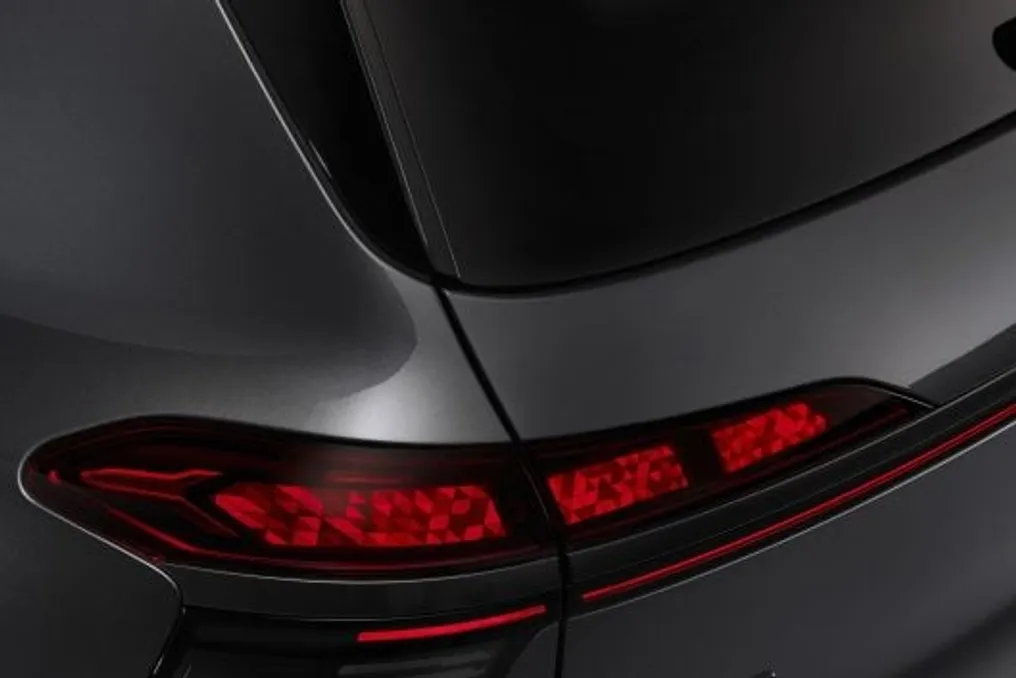
Audi Q9 features foldable taillights with ultra-thin OLED glass
Read more
AutoPapo
autopapo.com.br

Audi Q9 features foldable taillights with ultra-thin OLED glass

The Audi Q9, considered the largest SUV in the manufacturer's history, has received a technological detail regarding its taillights, which have the ability to fold in sync with the bodywork. Audi disclosed this innovation this Friday (23), describing it as unprecedented in mass-produced vehicles.

These assemblies are composed of curved OLED digital panels, designed to follow the side contours of the rear, unlike traditional flat lenses. This seven-seater SUV was launched to the public in July.

OLED technology (organic light-emitting diode) ensures that the illumination is distributed across the entire surface, instead of being concentrated in points, as occurs with LED. It is worth noting that Audi pioneered the use of this technology in taillights, which occurred in the TT RS model in 2016.

The system uses six glass panels with an extremely reduced thickness, reaching only 0.1 millimeters—comparable to a hair, according to Audi itself. This material can follow the shape of the bodywork without cracking or damaging the organic layer responsible for light emission.

In terms of control, there are a total of 512 segments individually managed by the vehicle's central electronic unit. The outer panel on each side has 99 segments, the largest ever used by the brand; the central panels have 84 segments, and the inner ones have 73.

According to the manufacturer, the curvature of the panels improves the visibility of brake lights and turn signals, even for people approaching from the side, such as in crossing or parking situations.

Additionally, the high number of segments allows for the selection of up to eight different light signatures and the display of an alert triangle to notify vehicles coming from behind about accidents or stopped cars ahead.

The taillights operate in conjunction with the Digital Matrix LED headlights. At night, when turning or changing lanes, the Q9 projects a stylized arrow onto the pavement, a feature previously introduced in the Q7.

Equipped with a 3.0L V6 turbodiesel engine producing 299 horsepower, the Q9 has a starting price of 108,400 euros (approximately R$ 645 thousand) in Germany. In the UK and the United States, the curved taillights are only available in the higher value versions. Audi plans for two-thirds of its production to be sold outside of Europe, and Brazil is among the potential markets.
Similar stories

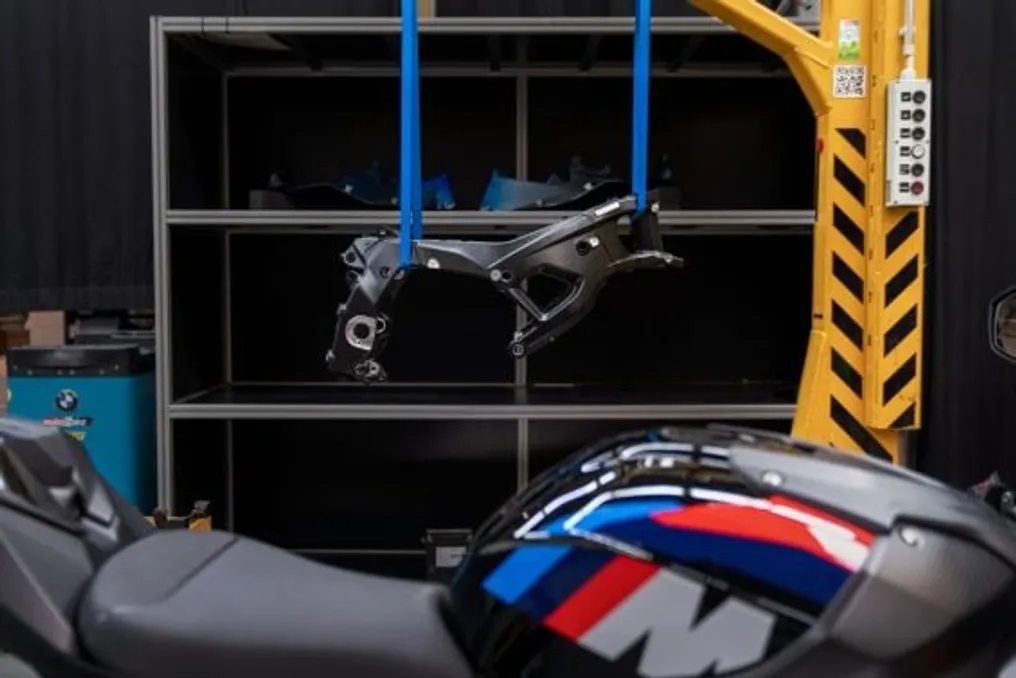
BMW presents third generation of M Motorsport chassis for the M 1000 RR, based on tracks
Read more
autopapo.com.br

BMW presents third generation of M Motorsport chassis for the M 1000 RR, based on tracks

BMW has unveiled the third version of its M Motorsport chassis, which serves as the basis for its highest-performance motorcycle, the M 1000 RR. This global announcement will apply to the superbikes starting from the 2027 model year, when the new chassis will become standard factory equipment.

This innovation is part of the brand's strategy to directly transfer competition performance to road use. The same frame used by elite teams will be employed by customer racing teams using the M 1000 RR around the world.

Technical details of the new chassis

According to BMW, the new aluminum structure is approximately 1.3 kg lighter than the previous one, featuring wall thickness reductions of up to 30% in certain areas. In a track-focused superbike, weight reduction in the central area contributes to improved agility and directional changes.

The reduction in thickness was used to independently adjust stiffness and flexibility in different directions. BMW explains that a sport bike chassis should not be completely rigid; when the bike is leaned over, the suspension operates at an unfavorable angle for absorbing irregularities, requiring the frame itself to offer some compliance to keep the tire in contact with the ground.

This is the point BMW states it has designed: in curves, the frame flexes laterally within predefined limits in the design, assisting the suspension in absorbing road imperfections. The expected result is more stable tire contact, clearer feedback for the rider, and more even tire wear.

In contrast, longitudinally, the structure maintains high rigidity to ensure that braking and acceleration are transmitted without loss of predictability under load.

Statements and development process

Sven Blusch, head of BMW Motorrad Motorsport, stated that 'the new M Motorsport frame combines consistent lightweight construction with precisely calibrated stiffness and flex characteristics. This creates the foundation for precise cycling performance and maximum grip.'

The development of this component took place in Munich, where the geometry, stiffness distribution, and wall thicknesses were initially defined through digital simulations, subsequently validated on test benches and track tests.

The four cast parts that make up the frame—steering head, left and right sides, and rear section—are produced at the BMW Group factory in Landshut, using a low-pressure casting process. This method ensures that the mold is filled in a controlled manner, minimizing turbulence and air inclusion, which is a critical factor in thin-walled parts.

Internal voids are created using quartz sand molds, generated by the cold-box process. Before tooling manufacturing, BMW performs digital simulations of the behavior of the sand and air mixture to determine the position of vents and nozzles. After casting, the components undergo inspection with X-ray, wall thickness measurement, and coordinate measurement.

The final assembly of the frame takes place at the Berlin factory, which leads BMW's motorcycle production network. There, the four parts are aligned and joined by TIG welding, followed by a cathodic dip painting process that protects even the internal cavities against corrosion. Finally, final machining adjusts the operational surfaces and mounting points, and a new coordinate check ensures the dimensional accuracy of the assembly before it is released to the M 1000 RR assembly line.

In the Brazilian context, expectations regarding the arrival of the M 1000 RR are low, given that the competition M version is not officially marketed. Enthusiasts seeking sportiness in Brazil must settle for the S 1000 RR, as the country manufactures its own BMW motorcycles, making the introduction of a new model significantly more complex due to the need to realign the entire factory.

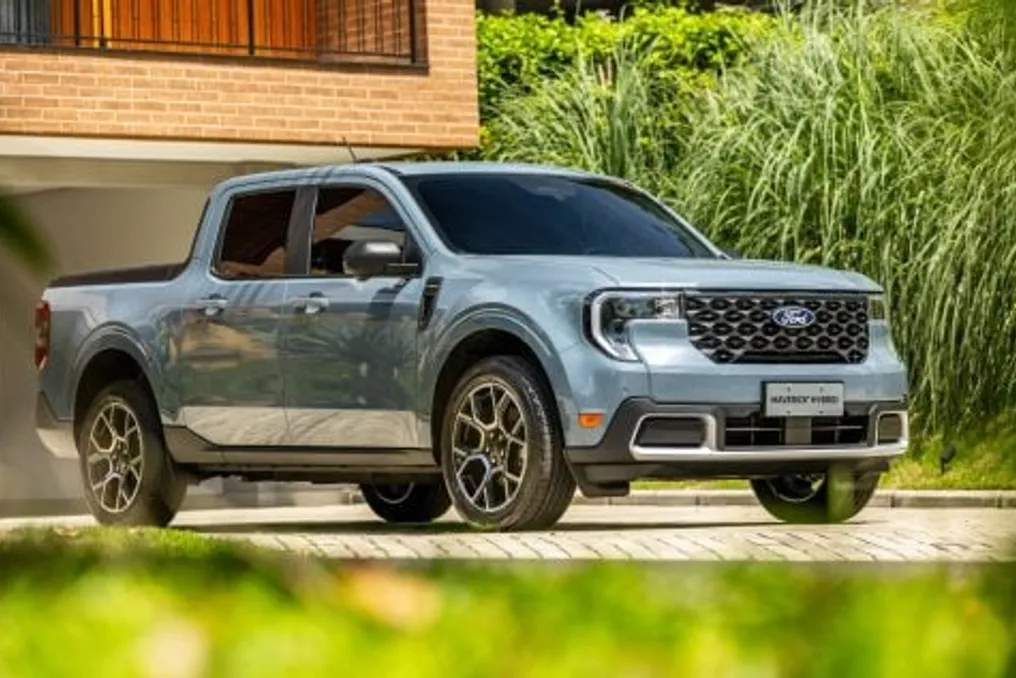
Ford calls in owners of 2025 Maverick for free dashboard panel replacement due to detachment risk in collisions
Read more
autopapo.com.br

Ford calls in owners of 2025 Maverick for free dashboard panel replacement due to detachment risk in collisions

Ford has started the free repair service for owners of the 2025 Maverick pickup truck who were called in for a recall due to a failure in the coverage of the panel protecting the passenger airbag. This service began on Thursday, the 22nd.

The recall covers the Tremor, Black, and Hybrid versions and follows the recall announced by the manufacturer in January, when the technical solution was not yet available. Initially, Ford estimated the procedure would take five hours, but the time estimate has now been increased to eight hours.

The call refers to vehicles manufactured in August 2025, identified by the following chassis numbers. According to Ford itself, a failure that occurred during the production process can cause the dashboard cover to detach during a collision that activates the passenger's front airbag. This creates a risk of trim pieces being projected into the cabin, potentially injuring occupants.

In the United States, this same issue resulted in the recall of 6,897 units of the 2025 and 2026 Maverick models, produced between August and September 2025.

In a report submitted to the National Highway Traffic Safety Administration (NHTSA), Ford informed that the defect was detected internally in October of the previous year during a test, when the cover came loose from the structure responsible for guiding the airbag deployment.

To correct this issue, the manufacturer will replace the upper trim of the instrument panel free of charge at all its dealerships. The estimated average time for this service is eight hours, which is practically one business day with the vehicle in the shop, although this period may vary depending on the flow of each dealership.

Vehicle owners must confirm whether their trucks are included in the recall and arrange for the service. Verification can be done through the Ford app, by contacting the Ford Customer Care Center (CAF) at 0800 703 3673, or by visiting a brand dealership. Appointments are available Monday to Friday, from 8 am to 5 pm.

Popular