The Parliamentary Committee called for 'intercensal surveys'—surveys conducted between two consecutive censuses in India. This is because cities and urban settlements undergo significant changes over a ten-year period. Furthermore, the committee proposed revising the criteria for recognizing settlements as 'census towns' to make them more gender-inclusive.
Currently, for an urban area to be considered a census town, it is required that 75% of the main male workforce is engaged in non-agricultural activities. According to the Commissioner of the Census of India, the proportion of women engaged in non-agricultural activities is not used as a criterion for classifying 'census towns' because female labor force participation fluctuates significantly due to social factors, insufficient reporting, and the informal nature of work.
The Standing Committee of Parliament on Housing and Urban Affairs stated that this criterion 'is based on a male-centric understanding of labor and does not adequately reflect the growing participation of women in economic activity.' The committee added that the criterion also fails to account for the contribution of women engaged in self-employment, informal work, home-based work, service sector activities, and other forms of employment that are often overlooked.
The committee emphasized that female labor force participation is steadily increasing, with the labor force participation rate for persons aged 15 and above reaching 34.8% in August 2026. The committee noted: 'In this context, continuing to use a criterion based solely on the main male workforce will not reflect the changing socio-economic realities of India.'
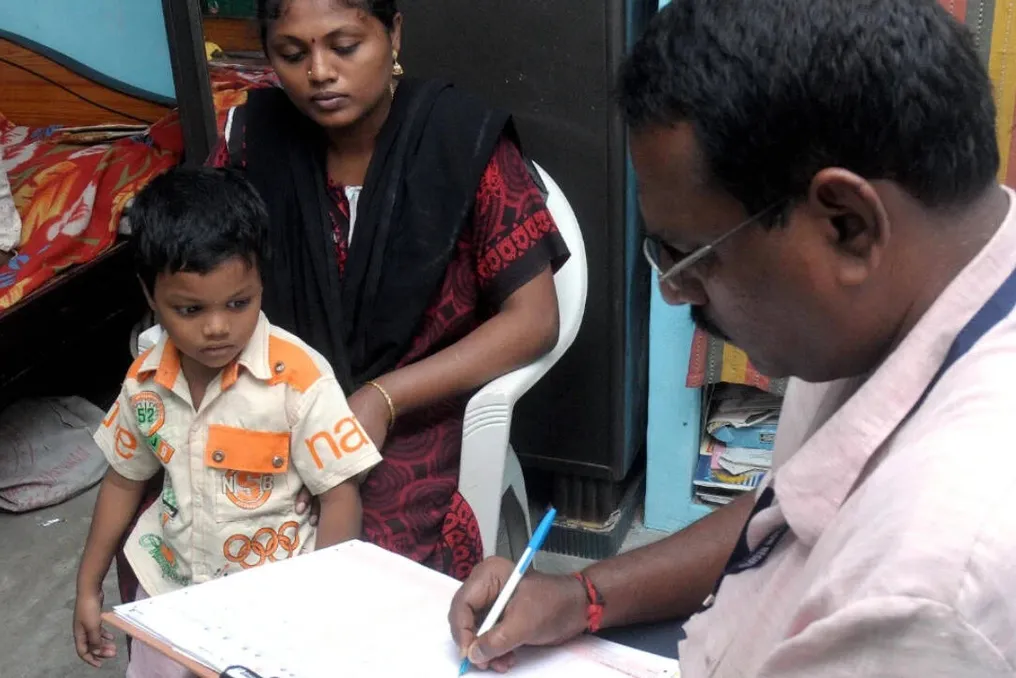
In its report, the committee referred to the ministry's proposal to introduce periodic intercensal surveys to capture rapid changes in urbanization and emerging settlement patterns, as well as to address data gaps during the targeting, implementation, and monitoring of various schemes and programs.
The committee recommended that the ministry explore the possibility of establishing periodic intercensal surveys to record changes in urbanization, emerging settlement patterns, and other relevant urban indicators, after consulting with the Office of the Registrar General and the Census Commissioner of India (ORGI), as well as other interested ministries and departments.
ORGI informed the committee that its primary task is conducting the census and fulfilling related legislative functions, adding that the proposal for periodic intercensal surveys to capture rapid urban changes is a policy matter that can be considered separately by the government.
Additionally, the committee advised the ministry to engage with states and union territories after the publication of the 2027 census data to explore the possibility of upgrading suitable census towns to statutory local bodies, while maintaining an updated database of their status.