The global shortage of microchips has led to increased costs, placing a significant burden on electric vehicle manufacturers in the country. Ultraviolette, a Bengaluru-based company that produces high-performance electric motorcycles, stated that it will not pass high production costs onto buyers and is exploring other options to overcome the current situation.
Microchips are a vital component of an electric vehicle as they are used for data storage, launching control software, and managing real-time operations in critical systems. According to Ultraviolette's founder and CTO, Niraj Rajmohan, only the RAM increases the vehicle's cost by 20,000 rupees.
He added that the surge in microchip demand is due to global companies building very large data centers. It is projected that data centers will consume 70% of global memory chip production by 2026. This data center boom has caused supply shortages, which in turn has raised chip prices.
Nevertheless, Rajmohan emphasized that it would be unfair to transfer these costs to customers, noting that a threefold increase in memory prices recently cannot lead to a threefold increase in the price of an electric bike, and buyers should not be suddenly required to pay significantly more.
The company is working on finding alternative solutions to reduce costs. Ultraviolette is currently considering alternative components, including software, parts, and technologies, as well as potential partners for collaboration. Furthermore, Rajmohan reported that the company relies on partners with stakes in it, such as TVS, TDK Ventures, and Intel, for their expertise and knowledge, although he did not disclose details about these alternatives.
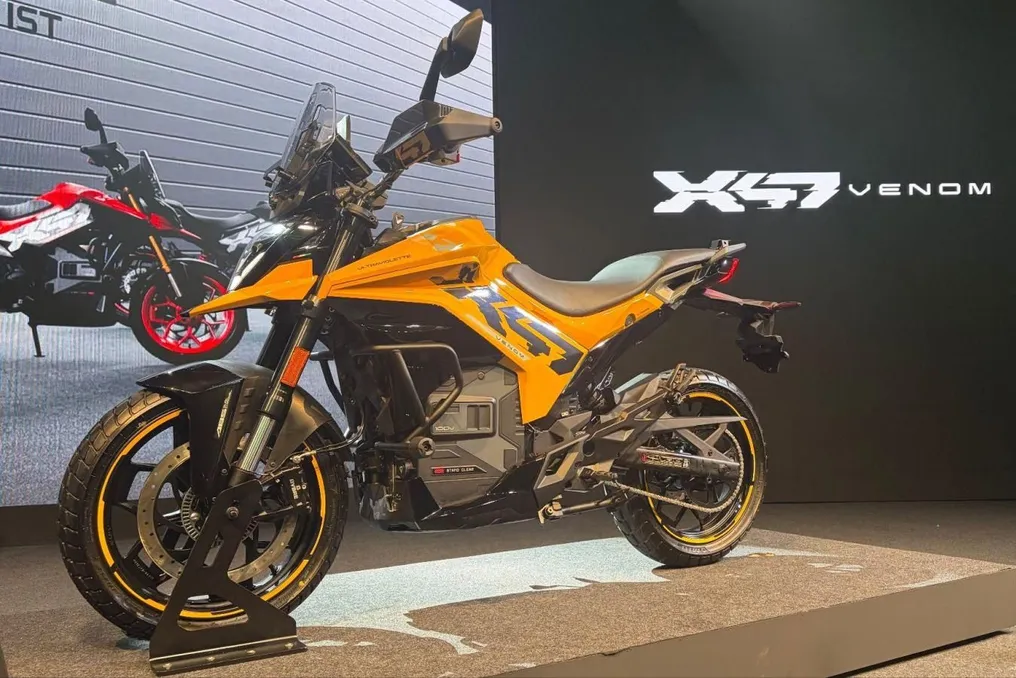
Rajmohan spoke at the presentation of the X-47 Venom model, the first bike created on the new 'VX-100' platform. VX-100 is a 100V electric powertrain architecture aimed at improving efficiency and performance in two-wheeled electric bicycles. The electric powertrain architecture is an integrated system combining energy storage, electronics, and mechanical components, which converts stored electrical energy into mechanical motion for vehicle propulsion.
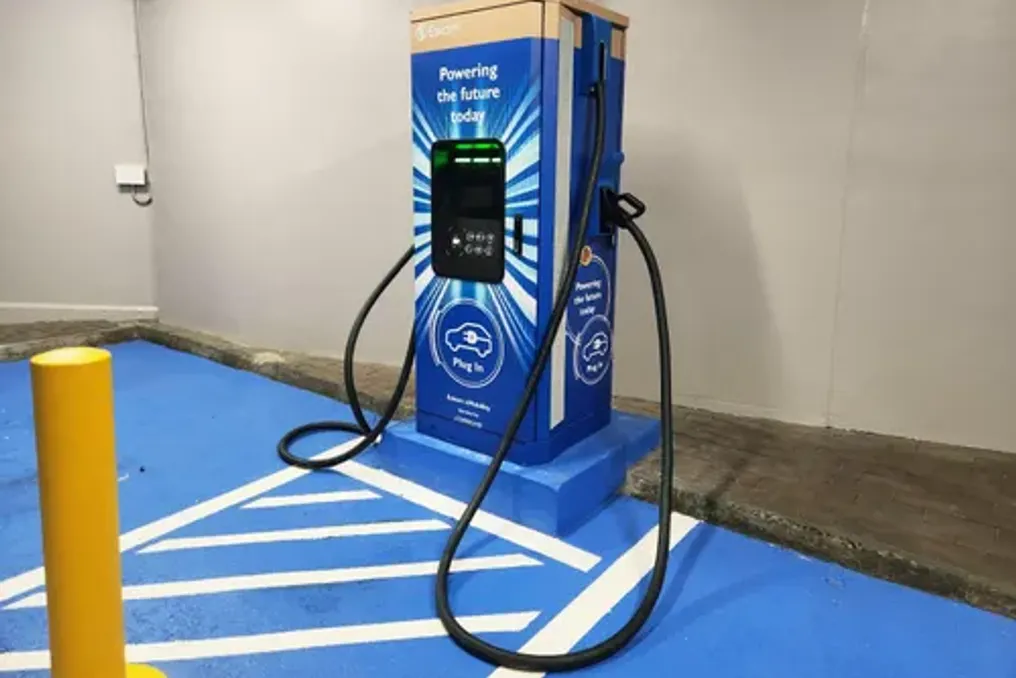
Instead of incrementally updating individual parts, Ultraviolette designed the battery, motor, and control electronics as a single system. The X-47 Venom is the first model built on this new architecture. The company claims it offers a superior battery cooling system, lighter components, and more powerful energy delivery, while also supporting fast DC charging up to 12 kW.
Rajmohan noted that most two-wheeled electric bicycles operate at 48V because telecommunications industry systems and Southeast Asian manufacturers were built around this standard. At 100V, the X-47 Venom system consumes less current, thus generating less heat. The goal is to achieve high speed and better performance without the heat, energy loss, and extra weight typically associated with electric vehicles.
Currently, chips for the bike's new dashboard are supplied by Qualcomm, and RF components and capacitors are provided by TDK. The X-47 Venom model costs 265,000 rupees for the first 5,000 buyers. Pre-orders opened on October 22, and deliveries will begin in November. The European launch is scheduled for November 3 at the EICMA international motorcycle exhibition in Milan.
According to Rajmohan, the bike underwent extensive testing, including daily rides of 150 to 200 km over several months. Ultraviolette's product portfolio includes the sporty F77, aimed at sports enthusiasts, and the X-47 Crossover, designed for a wider range of consumers, including sports, adventure, and city riders. The Crossover accounts for about 90% of the company's sales.
The new VX-100 platform will be used across all future Ultraviolette products. Four launches are expected next year, including the Tesseract scooter and the Shockwave enduro motorcycle, as well as an updated F77 bike. Approximately 90% of sales come from India, and 10% from abroad, including the expanding European market. Today, over 7,000 Ultraviolette motorcycles are registered on roads worldwide.
Ultraviolette was founded in 2016 by Narayan Subramaniam and Niraj Rajmohan. Its investors include Lingotto, TDK Ventures, Qualcomm Ventures, Zoho Corporation, TVS Motors, Yali Capital, and Speciale Invest. The article was edited by Sveta Kannan.