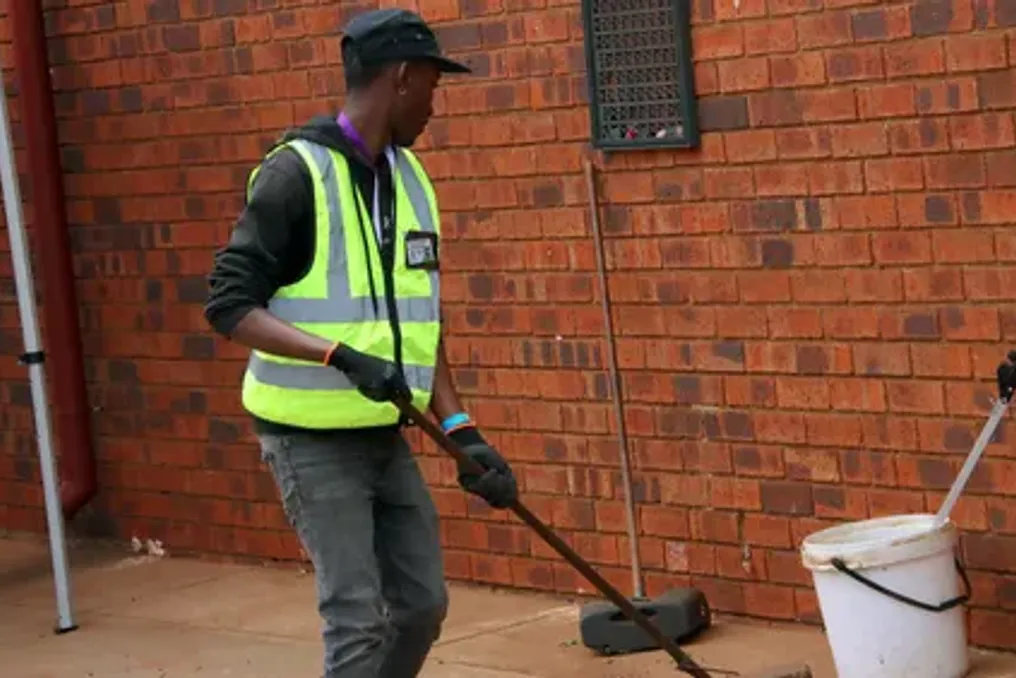
Job searching in South Africa costs up to R490 per month, according to JOBJACK report
Read more
IOL
iol.co.za

Job searching in South Africa costs up to R490 per month, according to JOBJACK report

Job searching in South Africa costs an average of R490 monthly, even for individuals without income. Transportation expenses hinder some unemployed candidates from attending interviews.

This data is presented in the JOBJACK Job Seeker Report for 2026. It analyzes the experience of 867,706 people who registered on the job search platform between July 1, 2025, and July 31, 2026. During this period, new users submitted 4,919,035 applications, but only 6,566 people were hired through the platform, which equates to approximately one hire for every 132 registrations.

The report is also based on a voluntary survey of 5,087 platform users, including 4,073 unemployed respondents and 1,014 employed individuals. It was found that job searching incurs significant costs even before a candidate receives earnings, including transport costs to interviews, printing resumes and documents, and purchasing mobile internet.

Among unemployed respondents, 62.4% spend between R51 and R300 monthly on printing resumes and other materials, while 42.2% reported having no other source of income. According to the report, job seekers spend an average of R490 monthly on transport, printing, and internet combined.

When travel costs become a decisive factor

Transportation is one of the most serious problems. Among unemployed respondents who admitted missing an interview, 36.4% stated they lacked money for transport, and another 15% cited distance or travel difficulties as the reason. Overall, 8.7% of surveyed unemployed individuals admit to accepting an interview invitation but not showing up.

Ashley Nell, Head of Research and Development at JOBJACK, notes that employers may mistakenly interpret financial difficulties as unreliability. She emphasizes: 'Accessibility should never be a criterion for assessing a person's suitability for a position.' Nell points out that candidates can be excluded before employers have a chance to assess their fit simply because they cannot afford to get to the interview location.

The problem does not disappear after employment. Among employed respondents, 57.2% commute to work using minibus taxis, and 54.6% spend at least R800 per month on transport. The report shows that 73.8% of employed respondents earn no more than R6,500 per month, meaning that travel expenses can consume a substantial part of their income. For some workers, the cost of commuting to work can account for nearly a third of their monthly salary.

The experience trap

In addition to the financial burden, the report identifies previous work experience as a key factor influencing candidates' employment prospects. Candidates with work experience are 11 times more likely to be scheduled for an interview than those who have never worked. This creates a familiar problem for first-time job seekers: employers demand experience, but candidates cannot gain it without being given a first opportunity.

Nevertheless, JOBJACK data also indicates that employers should not always insist on prior experience. Of candidates interviewed through the platform between January and July 2026 for positions requiring prior experience, 41% did not meet the stated experience requirements. The company notes that alternative selection methods, including assessing candidates' skills and abilities, helped employers find suitable applicants.

Still searching for the future

Despite all the difficulties, the report shows that candidates are not necessarily willing to accept any job just because it is available. Among unemployed respondents, 82.4% consider growth opportunities an important factor when deciding on a job, compared to 37.2% who prioritize salary. Growth opportunities are also important to 74.3% of employed respondents. Nearly half of unemployed respondents, 48.2%, report searching for a job for over a year.

When asked to describe their feelings during the job search, 58.4% used at least one negative word, while 44.7% used at least one positive word. However, hope remains the most frequently mentioned individual feeling, noted by 22.3%. Co-founder and CEO of JOBJACK, Hein Bellingan, argues that employers need to revise hiring practices that impose unnecessary costs on candidates. He questions why candidates are still expected to print resumes, travel to submit applications, or attend numerous interviews for minimum wage positions. He states: 'Candidates cannot fix your hiring process; you must do it.'

It should be noted that the report's findings pertain to JOBJACK users seeking entry-level jobs and are not representative of all job seekers in South Africa.
Similar stories

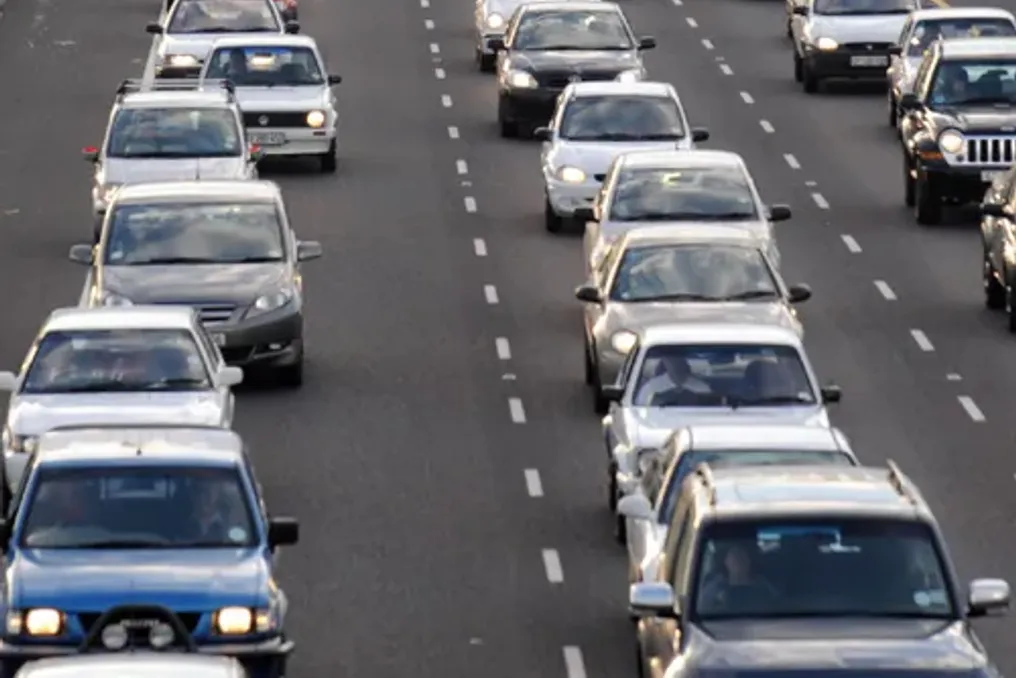
Study shows Cape Town's poorest residents spend 35% of income on commuting to work
Read more
iol.co.za

Study shows Cape Town's poorest residents spend 35% of income on commuting to work

According to the report by Public Land for People, Not for Parking, the poorest workers in Cape Town spend a significant portion of their income on transportation costs. These expenses, along with lost time, can collectively consume nearly 80% of net income because the city's housing crisis forces workers to live far from their workplaces.

The Ndifuna Ukwazi report indicates that 20% of South Africa's lowest-income residents spend about 35% of their earnings directly on travel, whereas this figure is only 10% among the top 20% highest-paid workers.

For someone traveling from Khayelitsha to the city center, working life can require up to five years spent in traffic jams. Thembiisa Yaleso, for instance, commutes from Philippi East to central Cape Town for nine years, leaving home as early as 4 am. Daily journeys are accompanied by constant safety concerns.

Octavia Grill from Manenberg, who has worked in the city for six years, is well aware of this burden. Her concerns intensified after a recent taxi accident. She noted that a terrible incident involving a taxi traveling from Manenberg into the city resulted in two deaths, causing great anxiety for the mother.

Even organized transport does not always guarantee safety for some workers. Banati Hala, living in Delft, reported that residents of his area often rely on assistance from the community police forum due to safety issues. Hala, who works as a security guard in the city, spends R1,100 per month on travel.

Bubbe Bui, head of political organization and campaigns at Ndifuna Ukwazi, explained that the pressure experienced by workers stems from decades of planning that placed economic opportunities far from needy communities. He emphasized that this is a spatial legacy, not an accident. Apartheid-era planning reserved well-located land for the white population and displaced Black, Coloured, and Indian residents to the periphery. After 1994, subsidized housing largely repeated this practice, prioritizing quantity over location. Meanwhile, rent in well-located areas is unaffordable.

The high cost of living near workplaces exacerbates the consequences. Bui noted that the average rent in the Western Cape is R9,730, the highest in the country. A studio apartment near Parliament costs between R12,000 and R18,000 per month, which is three to four times the national minimum wage. Approximately 76% of Cape Town residents earn less than R22,000 per month, but only 34% of formal housing matches this price range.

Thus, for many households, the option of living closer to work is unrealistic. Instead, workers have to bear the costs of long commutes, sacrificing income and time that could be spent on family and other needs. The consequences affect not just individual families.

Professor Stephan Kriegsman from the University of Stellenbosch Logistics Department stated that spatial inequality also affects the functioning of cities and their ability to cope with rising transport costs. He explained that cities exist partly due to the expense of transport; more equitable and better cities are capable of reducing these costs. When transport costs increase, more equitable cities demonstrate resilience, whereas poorly designed and unequal cities cannot absorb high transport costs and often suffer from development deficits. Kriegsman reminded that it is cities that drive economic growth.

Long commutes also lead to a mismatch between workers' skills and available vacancies, as people may accept jobs closer to home instead of incurring travel costs for positions matching their qualifications. Kriegsman called this a loss for the economy that can reduce productivity. He added that the ideal situation is when suitable people occupy suitable positions, but when workers cannot easily access them, a skills-supply mismatch occurs. Matching skills and jobs promotes productivity and economic growth.

He also noted that daily commutes lasting two to three hours leave workers with less time for childcare, shopping, and other household chores.

The Public Land for People, Not for Parking campaign proposed the redevelopment of four public properties in central Cape Town: the Parliament parking lot, Top Yard, and two public garage complexes. According to Bui, these areas could accommodate 969 social housing units, 969 market-linked units, and temporary accommodation for 732 people. Bui added that benefits include reduced travel costs, the ability for more people to reach work, and increased pedestrian traffic for informal traders. Studies mentioned in their report also suggest that inclusive densification improves both labor market inclusion and public finances.

The scale of Cape Town's housing problem makes the prospect of significant change even more urgent. Bui reported that there are at least 359,277 people on the city's housing waiting list. The city forecasts a deficit of 22,970 to 27,980 formal homes annually. Under current trends, 53% of homes built between 2020 and 2040 will be informal.

Cape Town has stated that it will implement affordable housing programs through land provision, transit-oriented development, and infrastructure investment. Karl Pofaim, a city council member for human settlement, reported that land parcels capable of providing over 14,000 affordable units are in the active land provision or project packaging plan. Additionally, an estimated potential of 7,000 units exists on sites already allocated to developers, and Cape Town already has over 6,000 completed social housing units.

Pofaim specified that over the past two years, the city has provided land worth R1.7 billion for affordable housing, as well as land with an estimated potential of 13,766 housing opportunities. He also mentioned that the city has provided over R960 million in discounts on land allocation, investments in core infrastructure, and incentives to boost project viability. It was noted that 39 projects are in the pipeline, including 11 in the Central Business District, with a total potential of 40,000 units, of which 21,000 are affordable housing and 1,500 are social housing.

However, Pofaim pointed out that national grant funding remains a serious constraint, stating that the city has not received national grant funding for affordable housing for five years, starting from the Maitland Mews project in 2021, despite submitting six relevant applications. He stressed that real funding or grants from the national government for affordable housing does not exist. All achievements are due to the City's progressive policy developed over the last two years. Pofaim concluded that the city has many more ready or near-ready projects that could significantly benefit from national support.

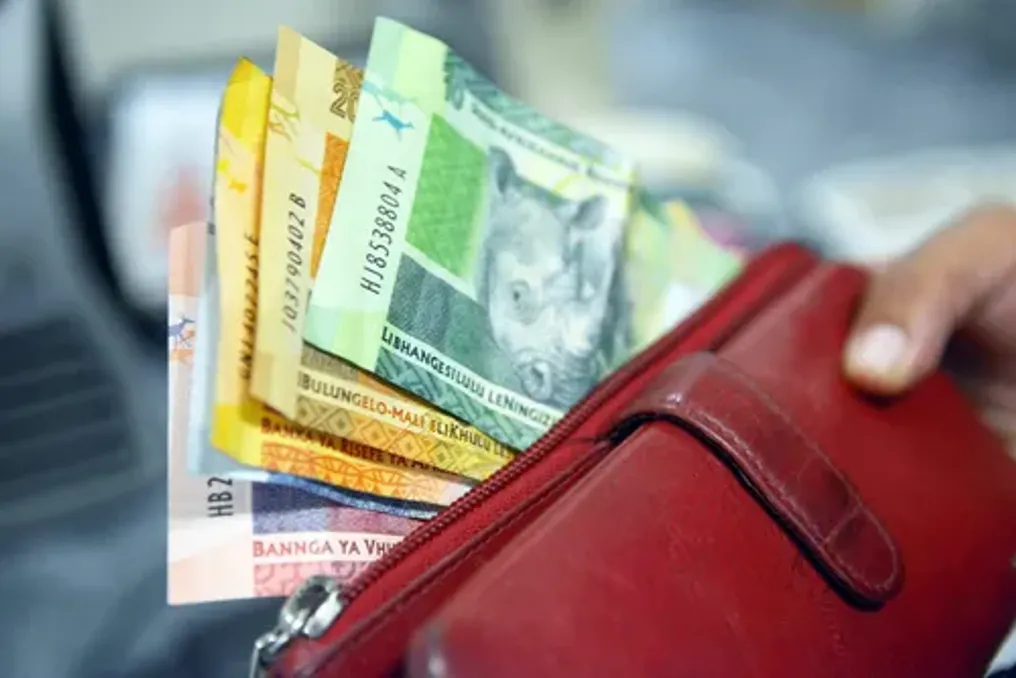
SARB study reveals true cost of cash in South Africa is R88.5 billion annually, with the poorest segments paying the most.
Read more
iol.co.za

SARB study reveals true cost of cash in South Africa is R88.5 billion annually, with the poorest segments paying the most.

A recent study by the South African Reserve Bank (SARB) uncovers the hidden costs associated with using cash, showing that low-income households bear a disproportionately large financial burden.

Despite the development of digital payment systems, cash still accounts for 56% of consumer transactions by volume in South Africa, according to SARB data. The new SARB study details the expenses South Africans incur related to obtaining and using cash, with these costs extending far beyond standard transaction fees.

Only ATM withdrawal fees are estimated at R17.7 billion annually, and cash deposit fees at R13.3 billion, totaling R31 billion. However, the total annual cost of cash for consumers in South Africa is estimated at R88.5 billion when accounting for other, less obvious expenses.

These additional costs include R27.8 billion spent on time spent accessing cash, R12.5 billion on travel for cash withdrawals, as well as R3.9 billion and R1.3 billion related to retailer expenses and lost interest, respectively. Furthermore, cash-related crime costs consumers R12 billion annually.

Low-income households bear the main burden

The most alarming finding is the uneven distribution of cash-related expenses among low-income populations. People earning less than R1,250 per month spend about 5% of their earnings on cash-related costs. Among those earning between R5,000 and R8,000 per month, this share is approximately 3%, while for recipients earning between R13,000 and R20,000, it drops to 2%, and for individuals earning over R20,000, it is as low as 1%.

The study also showed that 55% of people earning less than R1,250 per month rely entirely on cash, compared to only 1% among those earning R20,000 or more. These figures highlight the issue of financial inclusion: people with the lowest incomes are often forced to rely on a payment method that can consume a significant portion of their earnings. When visiting spaza shops, 66% of buyers prefer to pay with cash.

Cash is king in the informal economy

Cash remains critical for daily operations in the informal economy. According to the study, consumers use cash to pay for 66% of transactions in spaza shops and 65% of taxi fares. Additionally, cash constitutes 45% of mobile top-up purchases and 51% of religious payments.

The cost of accessing cash varies significantly depending on the channel. The study indicates that cash return services from retailers cost 12 cents per R100, whereas ATMs charge up to 68 cents, and bank branches cost R1.53. To reduce costs and improve accessibility, SARB recommends expanding cash return services in retail, promoting shared cash infrastructure and cash recycling, and improving ATM access in underserved areas. The bank also calls for a comprehensive study comparing the costs of cash, cards, and digital payments. The report is based on 2024 data and includes industry cost data, stakeholder interviews, consumer surveys, and economic modeling; some figures, especially those concerning time and other indirect costs, are estimates rather than directly observed expenditures.

Popular