Methods to Protect Birds from Tick Infestations Causing Damage
Read more
Food For Mzansi
foodformzansi.co.za

Methods to Protect Birds from Tick Infestations Causing Damage

Poultry keepers invest significant resources in raising healthy livestock, yet even tiny parasites can jeopardize the entire flock. Ticks that attach firmly can cause distress in birds, weaken them due to blood loss, and lead to weight loss. In severe cases, this can result in the death of hens, causing serious financial losses for farmers.

To detect infection promptly and protect the flock, it is important to know the signs of danger and maintain cleanliness in the poultry housing.

About a year ago, during his first experience as a poultry keeper, Mphatso Sithole, founder of Mphatso Poultry Pty Ltd in Dobha village, Kwaggafontein, Mpumalanga province, noticed that his chickens were excessively scratching, becoming less active, and laying fewer eggs.

The infection also affected him personally, as his skin began to itch after only a few minutes in the coop. He noted: 'I also noticed that they started laying fewer eggs than before.'

Sithole stated that he continues to use available means to maintain cleanliness in the coop and prevent the recurrence of parasites. However, he warned that substances intended for other purposes could harm the chickens if used incorrectly. Farmers should only use products approved for poultry and strictly follow the instructions on the label, consulting a veterinarian when necessary.

During training at Jeff Chicken Shack in Bela-Bela, Limpopo province, in 2024, Xolelwa Mthetho witnessed the consequences of bird tick infestations, including broken eggs, reduced production, and increased mortality among hens.

The farmer and founder of Kwande Poultry Farm in KwaNdungwana, Cofimvaba, Eastern Cape, shared her experience, which showed her how ticks can affect both the health of the hens and the quality of their eggs. These parasites feed on the hens' blood, causing stress, decreased feed intake, pale combs, and restlessness. For layers, she added that infection can lead to a reduction in egg count, poorer shell quality, and an increase in breakage.

Mthetho cautions that introducing new birds to the farm without quarantine can endanger existing flocks, even if farmers adhere to vaccination schedules and other biosecurity measures. She emphasized: 'Even if you do everything possible as a farmer to keep your farm safe and follow all vaccination schedules, buying another batch without actual quarantine can be your downfall.'

Mthetho advised farmers to regularly clean and disinfect coops and nesting boxes, remove old bedding, maintain dryness and good ventilation in the housing, and check new birds for parasites before introducing them to the flock.

Ticks that attach firmly can cause irritation, blood loss, and, in severe cases, death in hens. Olwetu Laho, a zoologist, farmer, and owner of Tshitshi SC Farmers Store in Cofimvaba, Eastern Cape, explained how parasites spread, what signs farmers should look for, and how to manage the infestation.

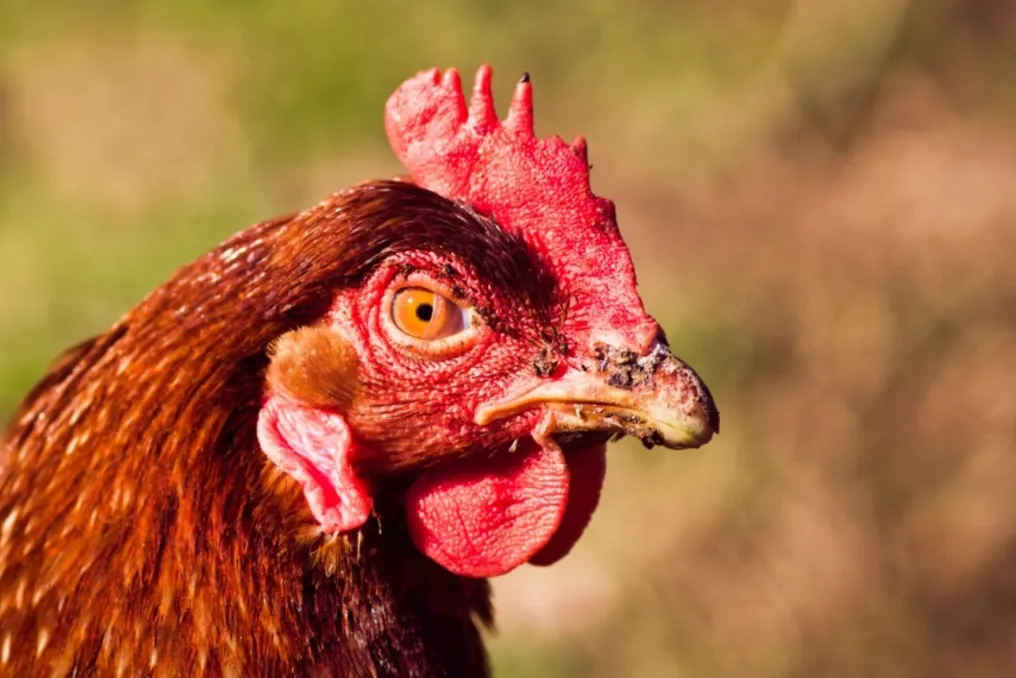
Laho noted that ticks usually gather in featherless areas such as the comb, wattles, face, and around the eyes. However, he stressed that the problem is not limited to the bird: 'Female ticks lay eggs that fall into the litter or soil, so the problem is rarely just on the bird.'

He added that heavy infestation can cause anemia, poor body condition, and reduced egg production, with chicks and smaller birds being at greater risk. Although infestations can worsen during warm and humid periods, he stated that in some areas, parasites can persist year-round. Laho concluded: 'Firmly attached ticks are not strictly seasonal in all environments, but in many regions, their numbers increase in warmer and more humid months.'

Laho recommended that farmers regularly inspect their birds, especially those kept in free-range and outdoor systems where hens come into contact with soil and organic matter. He emphasized the importance of addressing environmental issues where ticks develop to control the infestation. Removing old bedding, cleaning coops, and managing contaminated litter and soil can help break the parasite's life cycle and reduce the risk of re-infection.
Similar stories

How South African farmers are protecting spinach from intense heat this summer
Read more
foodformzansi.co.za

How South African farmers are protecting spinach from intense heat this summer

As South Africa faces increasingly hot and dry conditions, local spinach farmers are forced to change daily field practices to protect their crops from severe heat stress, moisture loss, and diseases.

While resource conservation methods and microclimate management provide immediate relief on the ground, agricultural experts emphasize that long-term sustainability will ultimately require significant capital investment in irrigation infrastructure.

Atmospheric changes and evolving El Niño patterns are leading to abnormally high summer temperatures and the risk of severe heatwaves across South Africa. These pressures at the field level are amplified as meteorological forecasts indicate a drier and significantly hotter season, turning climate change adaptation from a future strategy into an urgent daily operational necessity for leafy green producers.

Soil moisture retention is a critical defense during periods of high temperatures. Hammond Motsi, a PhD researcher at Stellenbosch University, notes that while organic soil management improves water retention, long-term water security requires specialized infrastructure.

Motsi warned that soil management alone is insufficient to compensate for severe droughts, citing changing weather conditions in the Western Cape. He stated: 'In the long term, irrigation will be crucial. This year in the Western Cape was so dry that there was almost no rain and no cold. Farmers need to invest in irrigation as part of a long-term plan, but this requires large capital investments in dams, pipelines, and related technologies.'

For vegetable producers, high daytime temperatures create immediate operational challenges. Extreme heat accelerates moisture loss and causes wilting by midday, and weakened plants become more susceptible to diseases.

Farmers in the Eastern Cape and Limpopo reported the development of powdery mildew on older leaves, especially where air circulation is poor. Luyolo Mphenka, a farmer growing crops in the Eastern Cape, noted that daytime heat directly affects crop health. He said: 'The heat has just started here. It's better at night, but the daytime heat causes severe spinach wilting. Powdery mildew appears on old leaves and spreads gradually.'

To control outbreaks of fungal diseases during heat peaks, Mphenka applies homemade leaf treatments before installing protective netting. He reported: 'When I noticed powdery mildew, I sprayed a mixture of sodium bicarbonate, dish soap, and Epsom salt. This stopped the spread to other leaves. But since the extreme heat continues, I had to cover the plants with shade cloth to filter the heat.'

For those facing similar heat stress, Mphenka advised using shade cloth, shifting watering to cooler nighttime hours, and applying targeted sprays to control early fungal outbreaks. Farmers are recommended to consult a crop specialist before self-treating plant diseases.

Producers in other regions have also reported similar stress patterns: crops wilting during peak sun activity despite adequate soil moisture. Percy Moleka Komane, a farmer growing crops in Limpopo, noted that high temperatures combined with limited air circulation increase crop vulnerability. He said: 'We observed wilting between 11:00 and 15:00, even when the soil was moist. Powdery mildew also appeared on old leaves where air circulation was poor. The heat stresses the plant, making it much more susceptible to powdery mildew.'

To counter these conditions, Komane adjusted watering times, increased mulching, and changed planting schedules. He explained: 'We increased mulching to keep the soil cool and retain moisture. We moved watering to late evening, at 4:00 PM, to avoid leaf scorching and reduce nighttime humidity, which triggers powdery mildew.' He added: 'We also water more frequently, plant new beds in the midday shade, and start growing cycles earlier, before the peak of extreme heat.'

As heatwaves become more frequent across South Africa, spinach producers continue to balance immediate field-level adaptation with the overall need for long-term water storage and irrigation technologies.

Popular