Patient in Kanapura Found 70 Stones in Bile Ducts After Gallbladder Removal 29 Years Ago
Read more
Aaj Tak
www.aajtak.in

Patient in Kanapura Found 70 Stones in Bile Ducts After Gallbladder Removal 29 Years Ago

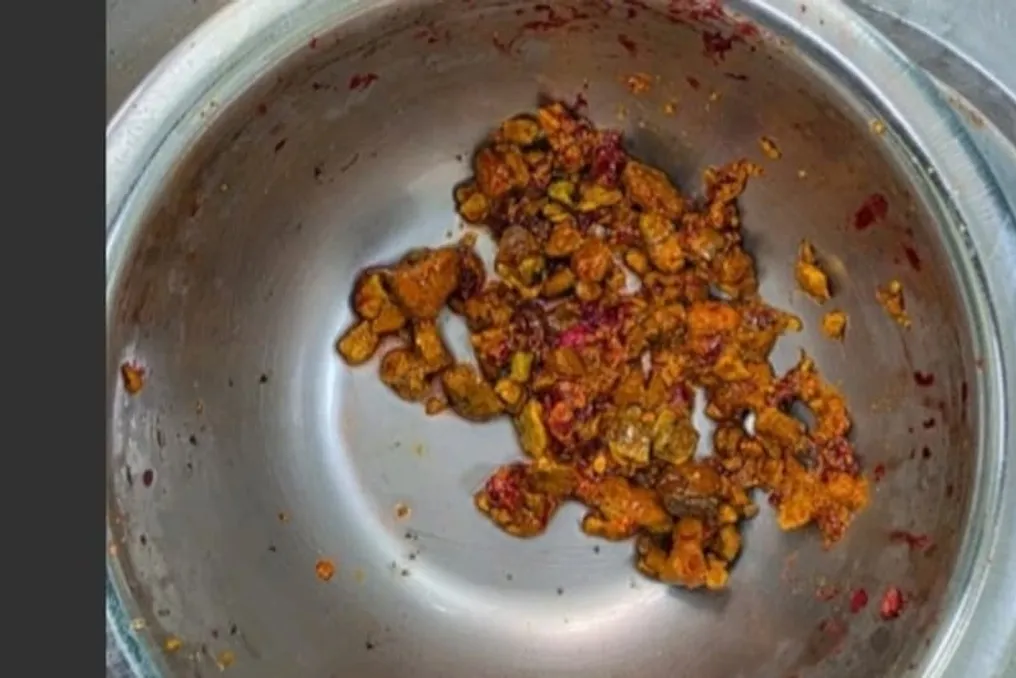
Many patients assume that the problem of gallstones completely disappears after surgical removal of the gallbladder. However, a case that occurred at the GSVM medical college in Kanapura requires rethinking this notion. One patient had his gallbladder removed 29 years ago, but abdominal pain persisted. Examination revealed stones in the bile duct. Despite six previous surgeries, the problem was not resolved. Eventually, the team led by the GSVM medical college chief physician, Dr. Sanjay Kaly, performed a seventh operation, during which 70 stones were removed from the bile duct. According to the doctors, the patient is currently experiencing pain relief.

The patient from Bilhaura first sought help for abdominal pain about 29 years ago. Diagnostics revealed gallstones, leading to gallbladder removal surgery in 1997. The patient expected the stone problem to be solved permanently, as it is commonly believed that new stones do not form after gallbladder removal. Nevertheless, after some time, he experienced abdominal pain again. Subsequent examination showed that the stones were located in the bile duct. He underwent repeat treatment in 2019, but the problem was not fully eliminated, and the pain recurred.

The patient's problems did not cease. In 2026, during June, July, August, and September, he required four ERCP procedures. The goal of this procedure was to extract stones from the bile duct. However, this did not bring permanent pain relief. Due to the constant recurrence of stones in the bile duct, the patient became extremely worried. Ultimately, he came to the GSVM medical college in Kanapura and discussed his issue with the chief physician, Dr. Sanjay Kaly, in outpatient practice. The patient provided the doctor with complete information regarding his past surgeries, examinations, and treatments. Considering his extensive medical history, the case was re-examined.

After reviewing the patient's medical history, the chief physician of GSVM medical college, Dr. Sanjay Kala, developed a treatment plan with his team, which also included Dr. Anurag Singh. The doctors thoroughly examined the state of the patient's bile duct using intraoperative colonoscopy. This technique allows for direct visualization of stones inside the bile duct and assessment of their position. During the examination, a large number of stones were discovered in the bile duct. The doctors then began removing them sequentially. After completing the procedure, the bile duct was rechecked to ensure no stones remained. Upon counting the removed stones, there were 70. For a patient who had suffered from pain and repeated treatments for a long time, this was a significant relief.

According to Dr. Sanjay Kaly, this patient had a predisposition to stone formation specifically in the bile duct. This is why his problem persisted despite the gallbladder removal and multiple treatments. In fact, the gallbladder and the bile duct are different structures. Even after gallbladder removal, some patients may have stones remaining in the bile duct or they may appear in the future. Therefore, if pain persists after surgery, its cause must be determined. The doctor noted that the patient's bile duct stones were removed, and a follow-up check revealed no other stones. The patient now feels pain relief.

The patient shared his opinion, stating that 29 years ago he had his gallbladder removed, believing the stone problem would not recur because it is a common belief. However, this did not happen to him. He constantly suffered from pain and had to undergo numerous surgeries and procedures. The patient expressed gratitude to Dr. Sanjay Kale and his team for removing all the stones from his bile duct, which brought him relief.
Similar stories

15-year-old Ford Hartze passes away, leaving a legacy of hope through organ donation
Read more
iol.co.za

15-year-old Ford Hartze passes away, leaving a legacy of hope through organ donation

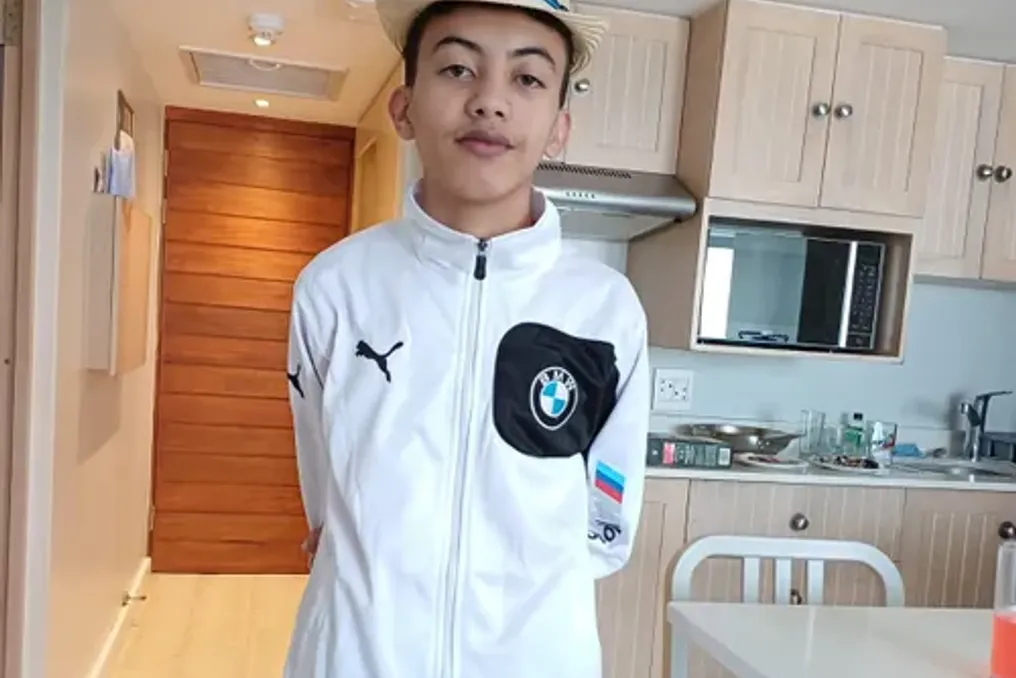
The life of Ford Levi Hartze, a 15-year-old youth, was marked by exceptional courage, deep faith, and the determination to pursue his dreams despite serious difficulties. His story inspires communities even after his passing.

Ford died on October 15, 2026, in Wentworth after a long battle with Eisenmenger syndrome—a rare and severe disease affecting the heart and lungs.

Although his life was shorter than his loved ones wished, Ford's story became an example of achieving goals against medical prognoses, thanks to prayers and an act of generosity that changed the lives of two strangers.

Ford was born on September 15, 2011, and was the second son of Alesia Hartze and Clayton Saville. At 35 weeks of pregnancy, a gynecologist discovered abnormal development of the left side of his heart. His mother was referred to a pediatric cardiologist at Umhlanga Hospital, followed by a series of referrals to Albert Luthuli Hospital and the specialized cardiology department at Sunninghill Hospital in Johannesburg. The diagnosis given to him was Eisenmenger syndrome.

The prognosis was extremely grim; doctors warned that Ford might only live three days after birth and suggested terminating the pregnancy. However, the family maintained unwavering faith and hope. When he was born, his strong cry was a moment of encouragement, beginning the journey of a little boy facing such uncertainty even before birth.

His health condition prevented him from finishing school, but this did not stop him from valuing what was most important. Sadly, his father, Clayton, passed away on March 27, 2018, after a police vehicle collided with his red Toyota Yaris.

By the end of 2025, Ford's cardiologist warned that he likely would not live until the end of the year. For a family accustomed to uncertainty, this was a heavy foreboding. Nevertheless, Ford still had dreams he wanted to fulfill. One of his main wishes was to undergo religious confirmation and become an usher in his community. He endured another intensive hospital stay and fulfilled this dream in February 2026.

On September 15, 2026, Ford celebrated his 15th birthday. This event was another milestone for the boy whose future was often unclear. His story was not just about surviving against all odds, but also about creating memories, pursuing dreams, and embracing important moments in life.

On October 13, 2026, Ford was hospitalized at St. Augustine's Hospital with stomach complaints, after which he was placed in intensive care. Two days later, on October 15, he experienced severe pain and began physical spasms after taking antibiotics. During this difficult episode, he communicated with his mother and grandmothers, telling them his heart had stopped. He then suffered cardiac arrest and passed away.

Ford's last wish was to donate his cornea. This happened, and now two people living in Cape Town have been given the chance to see again. For his family, this donation brings some comfort amidst the grief. Although they lost their beloved son, brother, and grandson, a part of his legacy will live on through two people whose lives may be transformed by his final gift.

The transplant center plans to install a memorial plaque at Cape Town Hospital and another in the Botanical Gardens to raise awareness about organ donation. Ford's donation serves as a powerful reminder of how one person's decision, made possible by the generosity of loved ones, can give hope to others. His final act of selflessness extended his story beyond his family and community, allowing his legacy to continue through the lives of two recipients.

He could not control the condition that defined his life, nor did he know how much time he would have. But he continued to strive for his dreams, marking achievements, and, thanks to the donated corneas, gave two people a chance to see the world again. Ford's funeral will take place at New Apostolic Church at 33 Clausia Road, Merweent, on Saturday, October 24, 2026.

Surat Doctor Performs Over 30 Thousand Free Operations in Villages After Observing Patients' Vision Deterioration
Read more
thebetterindia.com

Surat Doctor Performs Over 30 Thousand Free Operations in Villages After Observing Patients' Vision Deterioration

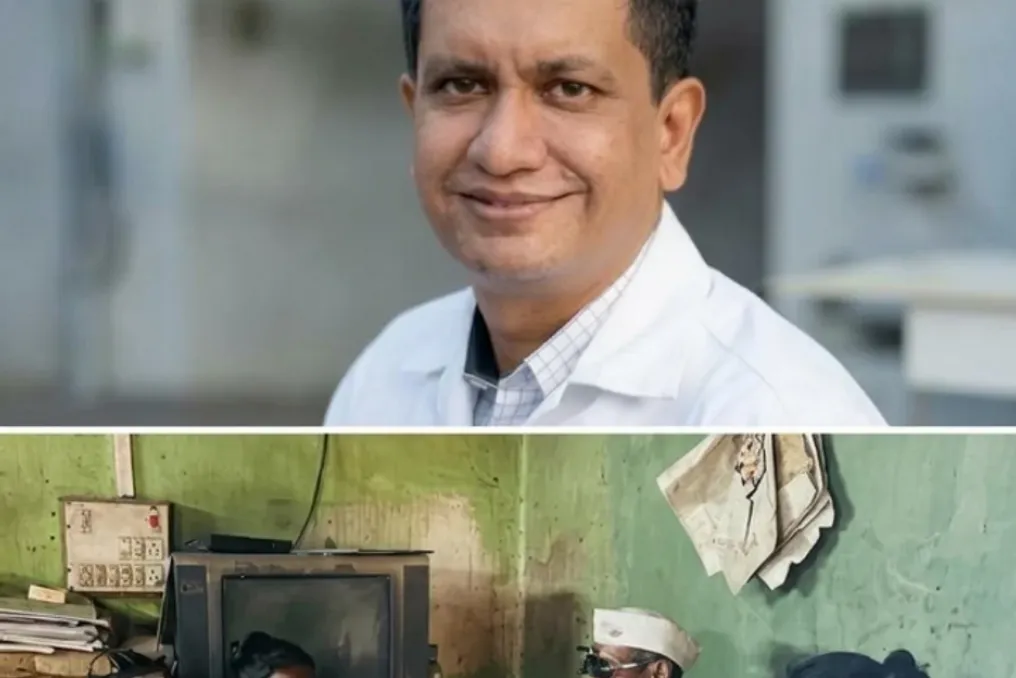
Many patients who seek care at Dr. Bhavin Patel's ophthalmology hospital in Surat arrive late. Symptoms such as blurred vision are ignored for months, cataracts are dismissed as old age, and infections are treated at home for too long.

Dr. Patel, whose family consists of doctors and who trained at Sankara Netralaya, returned to Gujarat in 2008. There were few retinal specialists in Surat, so early treatment was rare, and he witnessed many conditions progressing to an irreversible stage.

According to the national survey on blindness in India from 2015 to 2019, nearly 93% of blindness cases can be prevented, with cataracts causing more than two-thirds of all such cases. Rural areas of Gujarat face increased risk due to late diagnosis and low awareness.

Realizing that waiting would leave many without help, Dr. Patel established the Swami Vivekananda Netra Mandir Hospital in 2008. His charitable foundation, created in 2021, organizes about 40 monthly village camps and has performed over 30,000 free surgeries.

The camps cover villages in South Gujarat in Navsari, Bardoli, Vyara, and Valsad. Temple networks help mobilize residents, and teams of eight to ten people, including optometrists and trained indigenous representatives, conduct on-site screening for cataracts.

Basic cases receive immediate glasses, and patients requiring surgery are transported to Surat via Drishtiratha vehicles. Treatment is free of charge, and patients stay for about four days with food and care. Follow-up observation continues in the villages.

Nathuram Makwana, 62, from Ahmedabad lost sight in both eyes after an injury in 2017. In 2025, Dr. Patel's hospital restored weak vision in one eye, and he referred 10-15 villagers for treatment.

Vihana, born at seven months, was diagnosed with premature retinopathy at six weeks, which threatened severe vision loss. When hospitals refused her treatment or demanded high fees, Dr. Patel operated on both eyes, and she has normal vision.

Since blindness affects entire families, in 2025, Dr. Patel helped establish a training center in Surat where people with visual impairments are taught computer literacy, smartphone use, and mobility. Ten people have completed the training, and another 12 are currently enrolled.

If a one-day camp in a village temple can change a child's ability to see their parents, help a worker return to earning, or preserve a family's dignity, what is needed to reach every village?

Popular