Residents of the Eastern Cape and surrounding areas who require reconstructive surgery due to congenital defects will be able to receive specialized assistance free of charge at Nelson Mandela Academic Hospital from October 29 to November 1, 2026.
This year's program is divided into two stages: first, primary medical examinations of patients are conducted, followed by the surgical interventions themselves. The medical team will conduct screenings on Thursday, October 29, 2026.
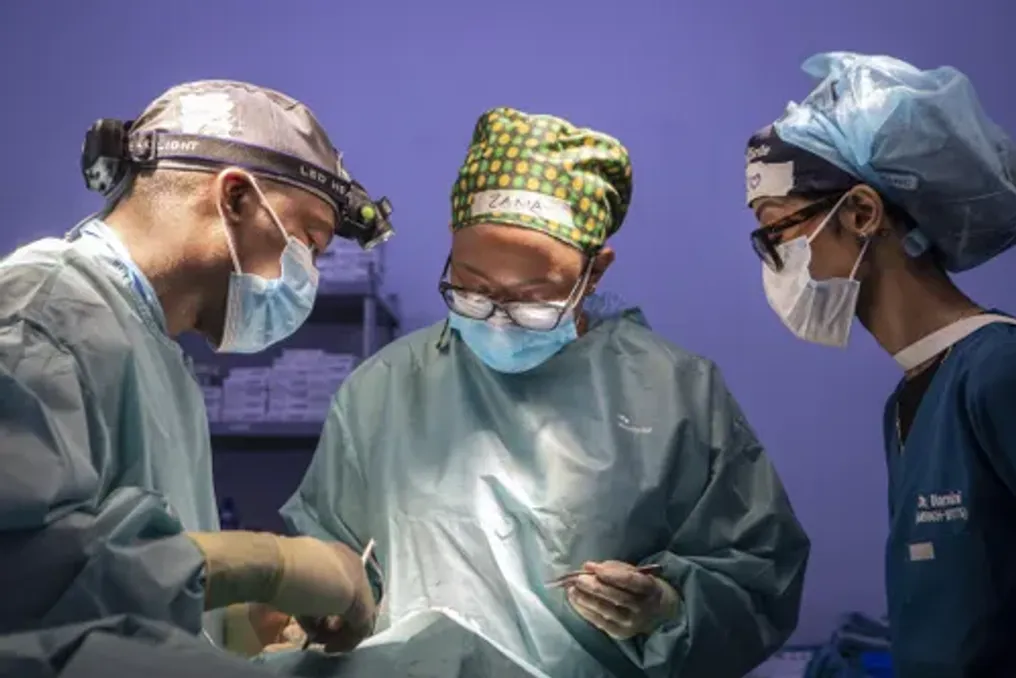
Specialists will assess each patient to confirm readiness for surgery, check anesthesia safety, and develop an individual treatment plan. Following this, surgeons will perform reconstructive operations over three consecutive days: from Friday, October 30, to Sunday, November 1, 2026.
Similar to the previous mission in October 2025, where volunteers examined over 40 patients and performed 32 cleft surgeries, the 2026 program includes an additional third day for conducting a larger number of procedures.
The Minister of Health for the Eastern Cape, Ntandozizi Kapla, confirmed the support of the provincial side to the clinical team. Kapla emphasized that the combination of a 'multidisciplinary team of healthcare professionals, including cleft surgeons, anesthetists, pediatricians, nurses, dentists, speech therapists, psychologists, and other specialists' guarantees families access to necessary care.
Who can receive the service
This year, the clinic will accept infants, children, and adults suffering from unrepaired cleft lip, cleft palate, or both conditions. Pediatric surgeons note that the degree of anatomical involvement of clefts varies. Untreated clefts can interfere with sucking reflexes in infants, impair weight gain, and distort normal speech and hearing development.
Patients also frequently face secondary complications, such as malpositioned teeth and respiratory tract issues. Sarah Scars, Executive Director of Operation Smile South Africa, explained that this initiative aims to eliminate structural inequality in public healthcare. Scars noted that access to surgical care 'can be difficult, especially for families living in rural areas,' and stressed that the organization is working to help patients 'receive specialized care closer to home.'
"We want families to know that they do not have to go through this difficult journey alone," said Scars. "If you or your child suffers from an unrepaired cleft, please contact us, and our team will explain how we can help."
Training local healthcare workers
In addition to the surgeries themselves, the program includes clinical mentorship for provincial healthcare staff. Local doctors, nurses, anesthesia residents, and speech therapists will train alongside visiting specialists, assisting in operating room work, preparation for surgical interventions, and recovery monitoring. This collaborative model helps regional personnel manage long-term cleft care.
Scars added that 'performing surgeries is only part of our program. It is also important to strengthen skills and knowledge in the communities we serve.' This year's mission coincides with the 20th anniversary of Operation Smile South Africa. According to official organizational data, since its inception in 2006, the organization has performed 6,221 safe reconstructive surgeries, working with provincial health departments to reduce regional disparities in surgical interventions.