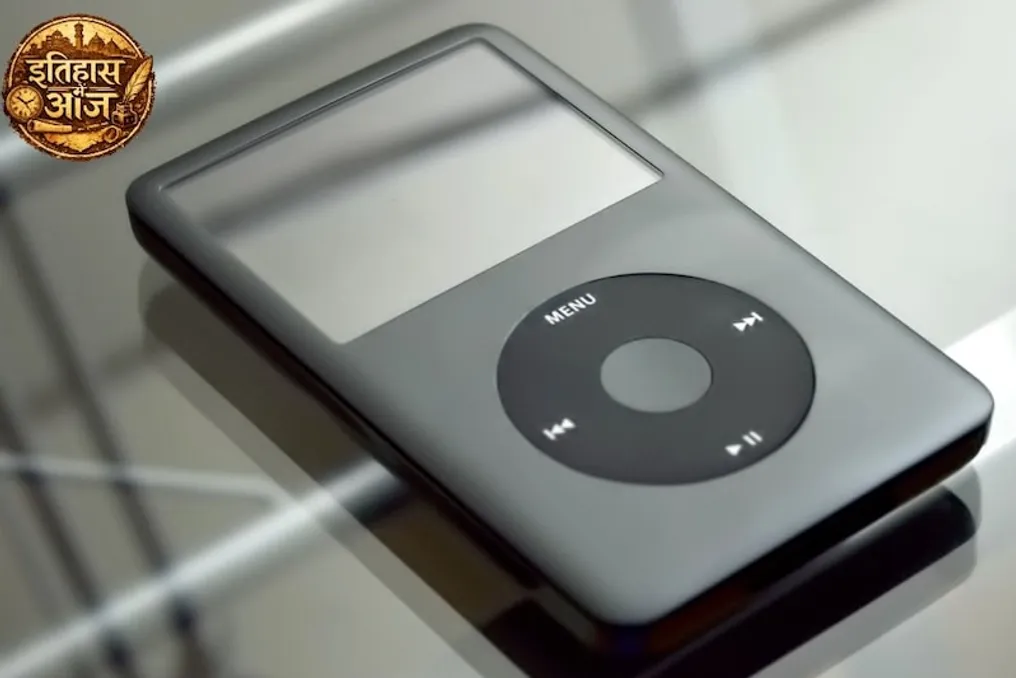
Apple's first iPod revolutionized the music industry
Read more
Aaj Tak
www.aajtak.in

Apple's first iPod revolutionized the music industry

When Apple released its first iPod, it marked the beginning of a radical change in how music was listened to. This compact player was a step toward realizing the dream of carrying thousands of songs in your pocket, transforming not only listeners' habits but also the music industry itself.

Today, listening to music on mobile phones and creating personal playlists has become extremely simple. However, previously, listening to songs while traveling required having a cassette or CD player with you. The arrival of the iPod helped popularize digital content and played a key role in transforming Apple from a computer manufacturer into a recognizable technology brand among consumers. Moreover, this shift paved the way for devices like the iPhone.

By 2001, there was growing interest in digital music, and users began moving from cassettes and CDs to MP3 players. Nevertheless, many players available at that time had limitations in usability and capacity. Steve Jobs, Apple's CEO at the time, saw an opportunity in this. In early 2001, he recruited Tony Fadell to the team to develop the iPod. The company's goal was to create a small and simple device capable of holding a huge number of favorite tracks.

The team demonstrated high efficiency and completed development ahead of schedule. The iPod was announced on October 23, 2001, and sales began on November 10, 2001.

The first iPod model was the size of a standard deck of cards. It featured a central selection button and four control buttons around it. A special feature was the mechanical scroll wheel, which allowed the user to move through the song list forward and backward. The design was also distinctive: a white front casing, a stainless steel back panel, and white headphones gave it a unique look among other music players. The interface was so intuitive that it did not require a separate power switch.

The initial price of the iPod was $399. It had a 5GB hard drive, allowing it to store about 1000 songs. The battery provided up to 10 hours of operation, and the device also had a backlit screen. Presenting the iPod, Steve Jobs claimed that listening to music would never be the same. Although this might have seemed like an exaggeration at the time, the digital music market began to grow rapidly in the following years.

The initial launch of the iPod was moderately successful, but sales did not skyrocket immediately. About 350,000 units were sold in the first year. A significant reason for this was that early versions of the iPod worked exclusively with Apple computers. This situation changed in 2002 when the company introduced an iPod version compatible with Windows computers, expanding the pool of potential buyers.

Subsequently, in 2003, Apple launched the iTunes Music Store. Through this platform, users gained the ability to legally purchase and download a large number of tracks. The collaboration between the iPod and iTunes played a crucial role in changing music purchasing and listening methods. Whereas people used to buy entire albums, the digital store made it easy to purchase just one song, stimulating the shift from physical CDs to digital downloads and altering the old business models of the music industry.

Over time, Apple began incorporating new features into the iPod. In 2005, the company added podcast downloading capability, and the iPod played a role in the popularity of podcasts. In the same year, the fifth version of the iPod Classic received a screen for viewing videos, allowing users to watch movies and TV shows. Thus, the device was no longer limited to just listening to music.

Apple released numerous iPod series, including iPod Classic, Mini, Shuffle, Nano, and Touch. In total, estimates suggest the company sold about 450 million units across all these lines.

The success of the iPod helped Apple realize that consumers preferred using digital content on small, simple, and attractive devices. In 2007, the company introduced the iPhone, which combined phone functions with the ability to play music and video. Gradually, smartphones reduced the need for specialized music players, as all functions—music, video, and much more—became available on the phone. Ultimately, Apple announced the discontinuation of iPod Touch sales in May 2022, marking the end of the iPod's story.

However, the iPod's story goes beyond the simple disappearance of a music player; it marks the beginning of an era where digital music became an integral part of daily life. The iPod simplified carrying music with you and helped Apple achieve the position from which it conquered its unique niche in the global technology market.
Similar stories

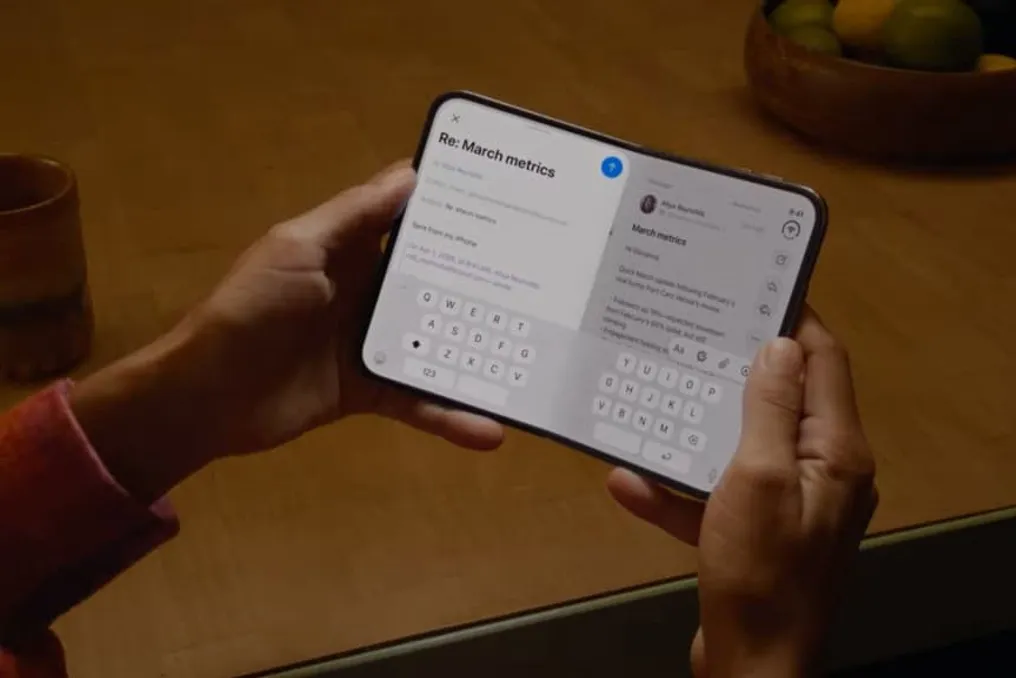
Apple launches pre-sale of iPhone Duo in Brazil; deliveries expected in October
Read more
olhardigital.com.br

Apple launches pre-sale of iPhone Duo in Brazil; deliveries expected in October

Apple started the pre-sale of the iPhone Duo in Brazil this Friday, the 16th. This device, being the company's first foldable phone, has a price of up to R$ 30,999, and deliveries are scheduled to begin on October 23rd.

This launch, which occurred in September, signals the company's entry into the foldable phone segment, a market already explored by competitors such as Samsung and Huawei. The new model was designed to integrate two screens and offer additional functionalities to users looking to perform multiple tasks simultaneously on the same device.

When closed, the iPhone Duo features an external screen measuring 5.4 inches. When opened, it reveals a 7.6-inch internal panel, representing an increase of approximately 80% compared to the screen of the iPhone 18 Pro, according to Apple. This extra space allows, for example, the user to follow presentations while participating in a video conference.

To enable this foldable format, Apple developed a hinge composed of 100 pieces, designed to ensure smooth movements during both opening and closing. The device structure is built from titanium, and the internal screen received a surface treatment aimed at reducing the typical crease found in foldable phones.

The external panel also serves the function of allowing quick consultation of information without needing to open the phone. In standby mode, it can display the weather forecast or operate as an alarm clock and digital photo frame. Additionally, during photo sessions, animations on the screen are used to attract the attention of the people being photographed.

The camera system consists of two 48-megapixel lenses and a 12-megapixel camera located on the exterior. Furthermore, there is a dedicated video call camera positioned under the internal screen, remaining hidden when not in use.

The device processing is managed by the A20 Pro chip, the same one used in the iPhone 18 Pro and Pro Max models. For foldable authentication, Apple reintroduced Touch ID, a fingerprint reader that replaces Face ID in this model, unlike traditional iPhones where the company usually employs facial recognition.

The format also brings other important specifications: the device will be available in two colors—star white and night sky—and will offer four storage options, with costs varying according to the selected capacity.

With the launch of the Duo, Apple begins to compete in the foldable device market with a product that combines an expanded internal screen and a titanium build. Pre-sales have already begun, and the first units should be delivered starting October 23rd.

Apple reaches $5 trillion market cap on Wednesday close
Read more
tecnoblog.net

Apple reaches $5 trillion market cap on Wednesday close

Apple concluded the trading session on Wednesday, October 14th, with a market capitalization of $5.005 trillion, which is equivalent to approximately R$ 25.2 trillion in direct conversion. This was the first time the iPhone manufacturer finished a session above this mark, according to the Wall Street Journal.

The company became only the second to reach this level, following Nvidia. On that day, Apple's shares rose by 0.5% and reached a new closing record. Although Apple's market cap had surpassed this goal six times during trading, it failed to maintain it until the end of the period. This week's result stands out for consolidating the brand at the market close.

Nvidia had reached this level a year ago, driven by the growing demand for its components intended for artificial intelligence. It is important to note that market capitalization is determined by multiplying the stock price by the number of outstanding shares, which causes this indicator to follow stock fluctuations and can change every session.

This Apple record occurs amid expectations regarding new devices and a change in leadership. John Ternus assumed the position of Apple CEO on September 1st, succeeding Tim Cook, who began serving as executive chairman of the board after 15 years leading the company.

Ternus previously held the position of Senior Vice President of Hardware Engineering at Apple and contributed to the development of products such as AirPods, Macs, and iPhones before taking on the leadership role. According to the WSJ, Apple's market value grew 13 times during the period Cook was in charge, a time that included the expansion of the services division, the launch of the Apple Watch and AirPods, as well as share buyback programs and dividend distributions.

The stock appreciation also occurs amidst cost pressures. According to the American newspaper, the increase in prices for memory and storage chips impacted the iPhone, Mac, and iPad models. In response, Apple implemented price adjustments, including for older iPhone versions, which typically have more accessible values.

Wamsi Mohan, an analyst at Bank of America, speculates that consumers will remain willing to pay more for devices, which would help sustain total profit despite margin pressure. Mohan also points to the foldable iPhone Duo and the new Siri as potential factors that could encourage device replacement. The revamped virtual assistant, developed in collaboration with Google, was launched with iOS 27 in September, after several postponements.

Popular