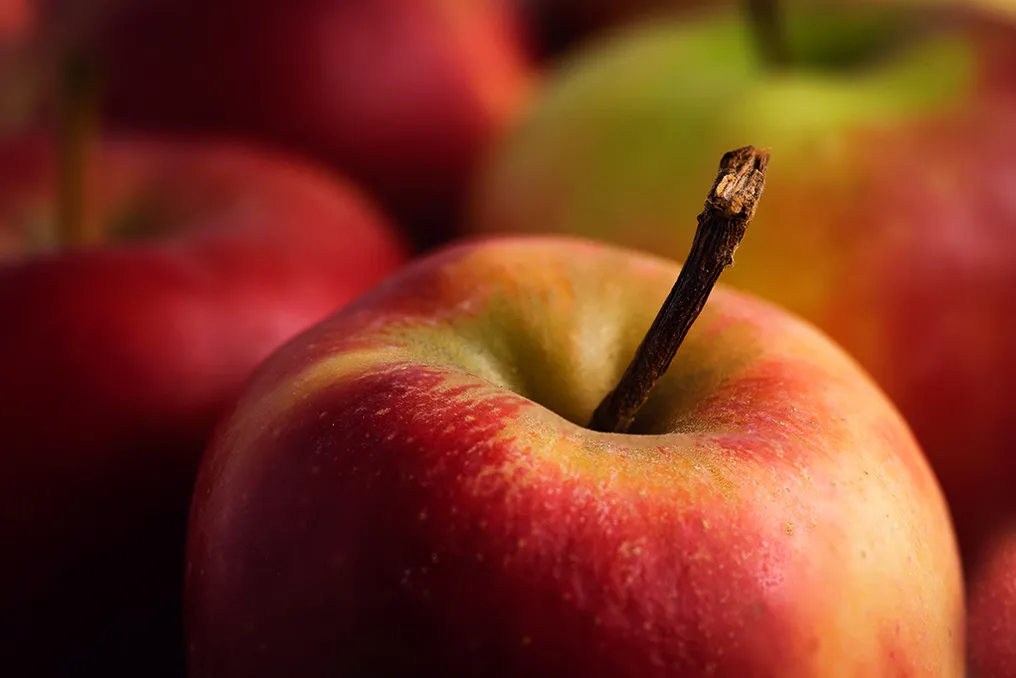
A comprehensive review analyzing 38 studies revealed evidence that consuming apples can be beneficial for cardiometabolic health. The observed effects include improvements in glycemic control, blood vessel function, and gut microbiota composition.
This study, published in the scientific journal Food & Function, compiled various clinical research and highlighted potential advantages related to the nutrients, fibers, and bioactive compounds present in the fruit. Researchers from Italy described the antioxidant and anti-inflammatory effects of apples, which positively impact the endothelium, the inner cellular layer of arteries, thereby promoting vascular function.
The analysis also pointed to changes in the constitution of the gut microbiota, reinforcing the role of apples in supporting cardiometabolic health. However, the authors warn that the food alone does not guarantee miraculous results, requiring a critical view of the findings.
Caution in interpreting the results
Isis Helena Avelino, a nutritionist at Einstein Israelite Hospital, emphasized that there is variation among the 38 analyzed studies, both in the populations involved and in the quantities consumed, which demands prudence before drawing definitive conclusions.
Apples possess a combination of nutrients and bioactive compounds already recognized by science for their cardiovascular benefits. Minerals present in the fruit include potassium and magnesium, as well as vitamins, notably those in the B complex and vitamin C.
Fibers, with special mention of pectin—a soluble type—play an important role. By forming a gel in the digestive tract, pectin slows gastric emptying and carbohydrate absorption, aiding in glycemic control and reducing the risk of diabetes. Furthermore, it has prebiotic function, nourishing the microbiota, since part of the fiber is not digested and reaches the large intestine, serving as food for beneficial microorganisms.
The review also emphasizes that regular apple consumption is correlated with an increase in certain bacteria, such as bifidobacteria. During the fermentation process, short-chain fatty acids (SCFAs) are generated, which are linked to maintaining intestinal barrier integrity, controlling inflammation, and modulating energy metabolism, as detailed by the Einstein nutritionist.
Polyphenols and apple varieties
Another highlight is the high concentration of polyphenols, substances known for their antioxidant and anti-inflammatory properties. Renata Carnauba, a researcher at the Faculty of Pharmaceutical Sciences of the University of São Paulo (USP), specified that the main polyphenols found are flavonoids, with quercetin, catechins, and proanthocyanidins being the most prominent in this class.
Red apples contain anthocyanins, which belong to the same family of pigments. Although polyphenols are distributed throughout the apple (pulp, peel, and seed), the highest concentration is found in the peel, which holds over 80% of all flavonoids. Therefore, the recommendation is to consume the fruit without peeling it, provided it has been properly sanitized.
The researcher also advises diversifying the varieties consumed daily, as the profile of bioactive compounds varies among apple types. To prolong the polyphenol content, she suggests keeping the fruits refrigerated.
The apple, originating from Central Asia, is widely consumed globally. In Brazil, its cultivation is mainly concentrated in the South region due to its preference for temperate climates. Some popular varieties include Fuji, known for its aromatic, firm, and crisp pulp with a reddish skin; Gala, which presents a balance between acids and sugars in its juicy pulp; and Granny Smith, a green apple type common in the Brazilian market, characterized by its white and acidic pulp.
Red varieties, nicknamed Argentine apple, are also mentioned, which have a red and shiny skin and can become mealy when overly ripe.