Uzbekistan plans to complete foundations of small reactors by 2026
Read more
UzDaily
uzdaily.uz

Uzbekistan plans to complete foundations of small reactors by 2026

Rosatom Director Alexey Likhachev informed journalists that the pouring of concrete for the foundation slabs of two low-power power units at the Uzbek nuclear power plant is scheduled to be completed by the end of 2026. This information was provided to TASS agency.

Each of these units will have a capacity of 55 MW and will be equipped with RITM-200 type reactors. Construction is underway as part of a comprehensive nuclear power plant project in the Jizzakh region.

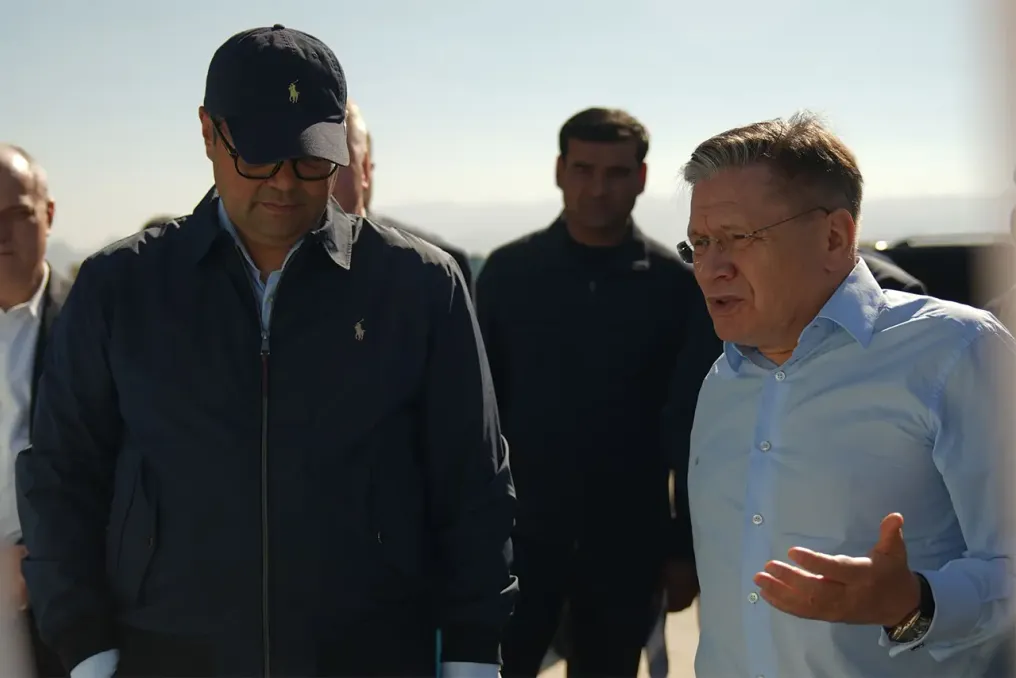
Likhachev recently visited the construction site, where he inspected the progress of work on the first low-power unit. According to Likhachev, initial concrete work started in May in line with the tasks set by the presidents of Russia and Uzbekistan. However, Rosatom specified that the concrete pouring for the foundation of the first unit began on June 4, 2026.

Currently, work is being carried out on the concrete base of the reactor building; 25 pieces of equipment are located at the site. 10,000 cubic meters of concrete will be required to complete the foundation slab of the first reactor building.

It is planned that the construction of the main buildings and structures for the low-power units will begin in 2027. These structures will include reactor buildings, control buildings, and turbine halls. Likhachev noted that this will mark the transition from earthworks and foundation construction to the erection of walls and floors of the main facilities.

The comprehensive nuclear power plant in Uzbekistan will consist of two high-capacity power units of 1000 MW each and two low-power units of 55 MW. Upon reaching design capacity, the station is expected to generate 17.2 billion kWh of electricity annually.

The project also includes the creation of a city for nuclear industry workers, which should accommodate over 30,000 specialists and their families. The industrial cluster is planned approximately 25 kilometers from the station's location.

Cooperation on this project has developed in stages: relevant documents were signed in May 2024, further agreements were reached in September 2025, and an additional agreement on the construction of the comprehensive NPP was signed in March 2026.
Similar stories

Rosatom Head Alexey Likhachev Inspected Nuclear Power Plant Construction in Uzbekistan
Read more
nuz.uz

Rosatom Head Alexey Likhachev Inspected Nuclear Power Plant Construction in Uzbekistan

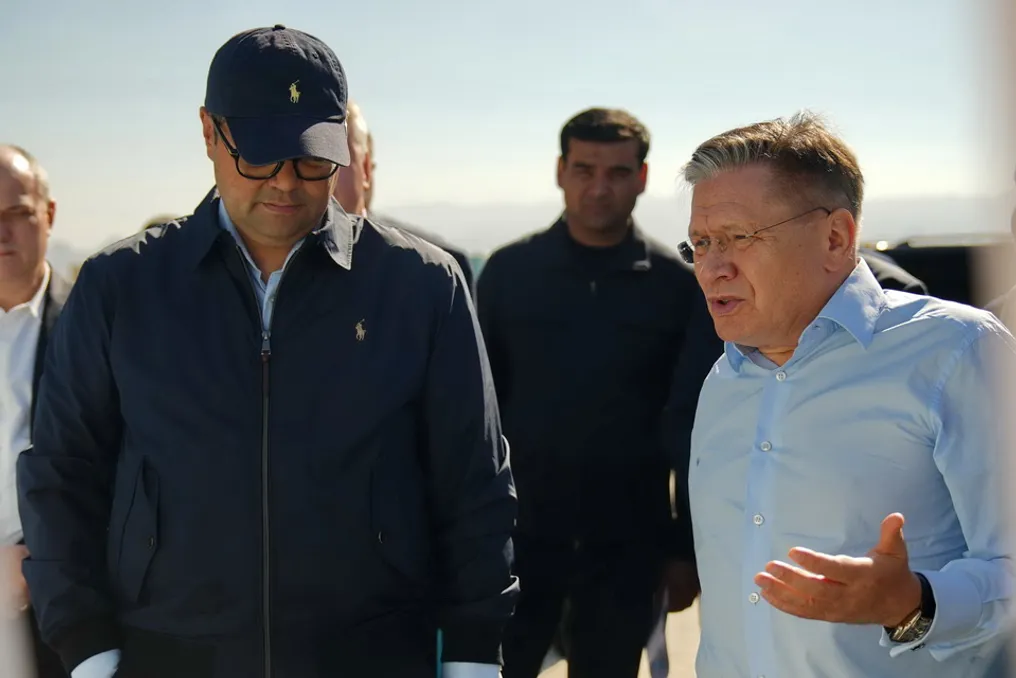
The CEO of the state corporation Rosatom, Alexey Likhachev, visited the construction site of the integrated nuclear power plant in the Jizzakh region of Uzbekistan. During the visit, he familiarized himself with the current status of the work, where concrete pouring for the foundation slab of the first small-scale power unit has been underway since June 4, 2026.

Currently, the process of concreting the reactor building's foundation slab is ongoing at the site, utilizing 25 units of equipment. It is planned that the construction of the foundation slab for the reactor section of the first power unit will be completed by the end of 2026, which will require pouring 10,000 cubic meters of concrete.

Alexey Likhachev noted that this stage is the fundamental basis for such a large-scale project, which holds immense significance both for the energy and economy of Uzbekistan, as well as for strengthening ties between Russia and Uzbekistan. He emphasized that this is not just about building a nuclear power plant, but about creating a modern scientific and industrial cluster and an atomic city.

A future city for atomic industry workers is also planned in the region. It is expected that over 30 thousand specialists and their families will live in this 'atomic city'. Furthermore, an industrial cluster will be formed within a 25-kilometer radius of the NPP construction site.

This station is being built under the world's first export contract for the construction of an integrated nuclear power plant. The project involves integrating two large-capacity power units, each with a capacity of 1,000 MW, and two small-capacity power units of 55 MW each. After reaching its design capacity, the station should provide electricity generation at a level of 17.2 billion kWh annually.

The nuclear power plant in Uzbekistan represents a unique project for the state corporation Rosatom, as it is being implemented under the world's first export contract for the construction of a small modular nuclear power plant (SMR). Cooperation was expanded after the signing of an intergovernmental protocol amending the intergovernmental agreement from 2018, which took place on May 27, 2024. This protocol concerned the construction of SMRs in Uzbekistan and was accompanied by a corresponding contract.

An additional agreement to the contract, providing for the construction of the integrated NPP in Uzbekistan, was signed by the parties on March 24, 2026. Previously, on September 26, 2025, in Moscow, during the international forum 'World Atomic Week', documents were signed to expand the partnership between Rosatom and the Atomic Energy Agency under the Cabinet of Ministers of the Republic of Uzbekistan, 'Uzatom.'

The solemn ceremony marking the start of construction of the first power unit of the integrated NPP in the Farish district of the Jizzakh region of Uzbekistan took place on June 4, 2026. This event was marked by the pouring of the 'first concrete' into the foundation slab of the future small-scale NPP as part of the integrated project. The ceremony was broadcast via telebridge between the construction site in Uzbekistan and St. Petersburg, where the President of the Russian Federation Vladimir Putin and the President of the Republic of Uzbekistan Shavkat Mirziyoyev granted permission for the construction of the first power unit.

Russia continues to actively develop its international trade and economic relations, paying special attention to interaction with friendly states. Rosatom and its enterprises contribute significantly to increasing the export potential of the domestic economy through the supply of goods, services, and raw materials worldwide.

Popular