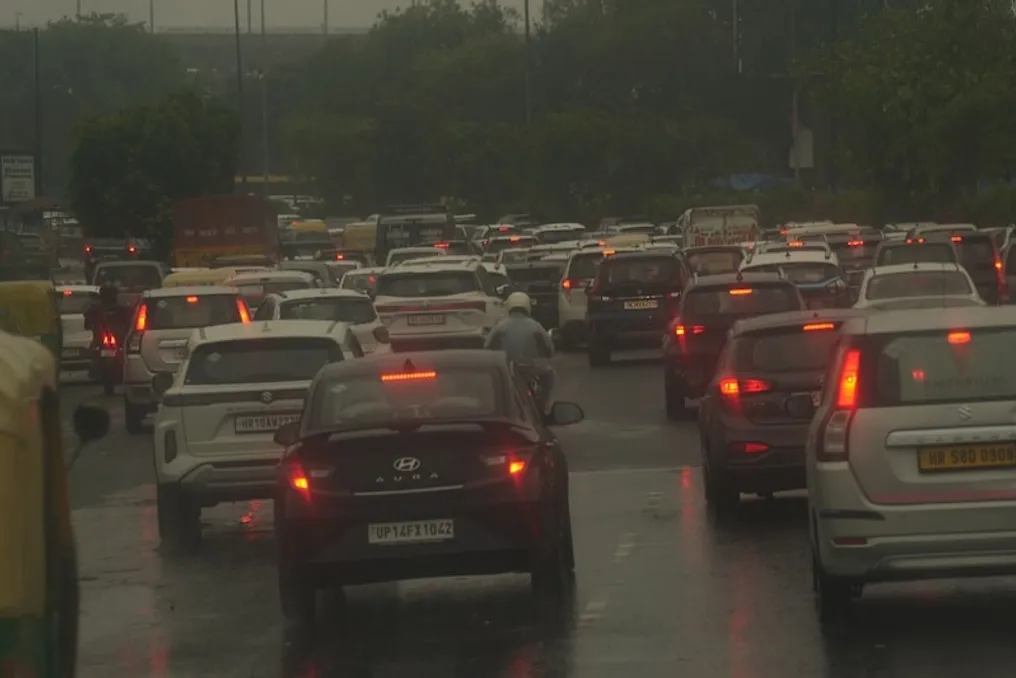
To control atmospheric pollution in Delhi, a ban on the movement of both private and commercial vehicles is planned for the period from November 1, 2026, to January 31, 2027. In this regard, the Association of All Indian Motor Transport and Goods Carriers (AIMGTA) has demanded that the government first conduct a 15-day pilot project.
The Association's Chairman, Rajendra Kapoor, sent a letter to Chief Minister Rege Gupta and Environment Minister Sardar Manjinder Singh Sirse. The letter requests a scientific assessment of the consequences before implementing long-term restrictions.
The Association emphasizes the critical importance of controlling pollution in Delhi but insists that any major decision must be based on determining a real and measurable improvement in air quality after its implementation. It is proposed to test the proposed restrictions for the first 15 days, starting November 1, while studying air quality data, and then make a final decision based on the results obtained.
According to Rajendra Kapoor, supplying Delhi with necessary goods and raw materials for industry largely depends on freight vehicles arriving from other states. If a ban is imposed on heavy trucks carrying 20 to 25 tons of cargo, goods will have to be reloaded into smaller vehicles. This could lead to increased transportation costs, time spent on loading and unloading, and delivery.
The Association expressed concerns that such a system could worsen the problem of congestion at the borders of Delhi and adjacent roads. Furthermore, disruption in the supply of goods such as fruits, vegetables, and other essential products could create an additional financial burden on consumers in the form of price increases.
The Association stated that rising transportation costs and disruptions in raw material supply could negatively affect the competitiveness of Delhi's enterprises. This, in turn, may impact production processes, business activity, and employment levels. A request was also made to assess the potential decrease in diesel fuel sales and VAT revenue.
The Association suggested monitoring key air quality indicators, including PM2.5 and PM10, during the pilot project. Factors such as weather, wind direction, and regional pollution must be taken into account. In the Association's view, if the restrictions lead to a noticeable improvement in the pollution situation, they can be continued after reviewing the economic and operational consequences. If the expected improvement does not materialize, efforts should be focused on controlling other sources of pollution, such as road dust, construction activities, industrial emissions, and waste burning.
Rajendra Kapoor noted that Delhi must ensure clean air, uninterrupted supply of necessary goods, continuity of industrial operations, and protection of jobs. The Association called upon the government to consider the interests of all stakeholders and available scientific data before making a final decision regarding these restrictions.