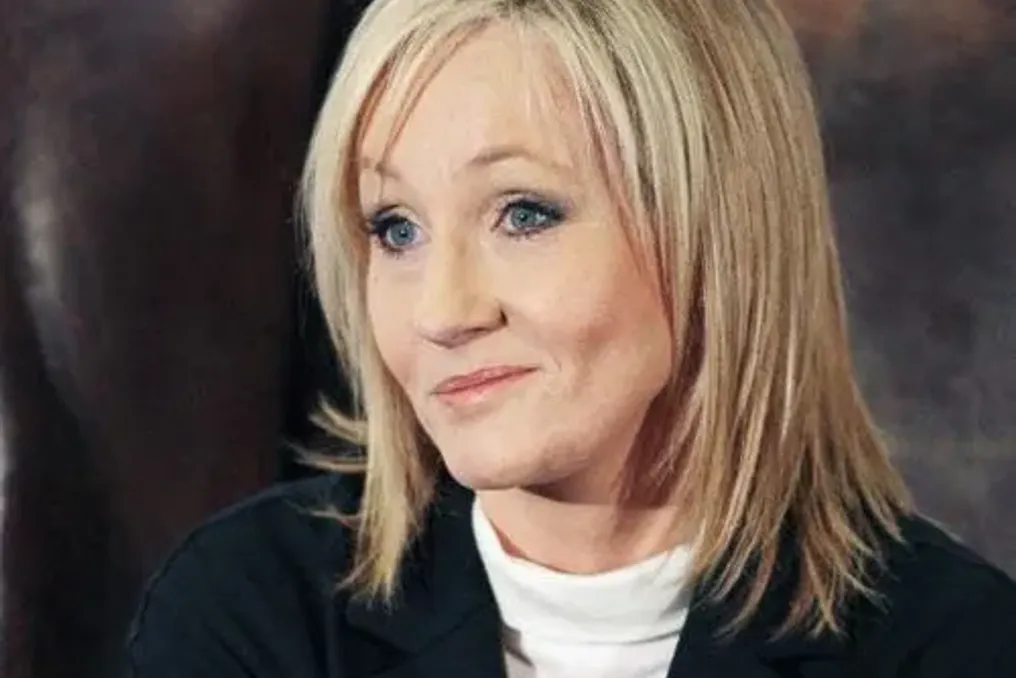
Harry Potter author JK Rowling states intention to continue speaking out on transgender issues
Read more
IOL
iol.co.za

Harry Potter author JK Rowling states intention to continue speaking out on transgender issues

The author of the book 'Harry Potter', JK Rowling, has confirmed her intention to continue expressing disagreement with 'transactivism' and providing financial support to women who file lawsuits in defense of their rights.

Rowling, who is currently 61 years old, has long been at the center of controversy over this contentious topic. Her position is that biological sex is immutable, which has angered activists and actors from the 'Harry Potter' franchise.

She denies being transphobic, asserting that her concern relates to how transgender activism affects women's rights and spaces designated exclusively for women. In an extensive essay published on her website, the author wrote: 'I will continue to speak out, continue to use my money to help women who otherwise could not go to court.'

Furthermore, she added: 'If a man can become a woman, then women as such do not exist.' She emphasized: 'This may not matter to you personally, but it matters to millions of women who do not have to pretend that their sex does not matter. I stand with them.'

Rowling's gender-critical positions have made her a favorite among some feminists and contributed to the start of broader discussions about freedom of speech and so-called 'cancel culture'. However, her views have also faced sharp criticism.

She first elaborated on her viewpoint on this issue in a 2020 essay, which provoked a fierce negative reaction from transgender rights activists and other individuals.

Actor Daniel Radcliffe, who played Harry Potter in the bestselling film franchise, is one of those who publicly distanced himself from her. Rowling characterized her new essay as an update to her 2020 post, noting: 'My views have not changed... but the situation has certainly changed, and my involvement in this issue has become as practical as it is theoretical.'

In April 2025, the UK Supreme Court ruled that a woman is legally defined by the sex assigned at birth, a decision recognized as a landmark ruling by gender-critical campaigns similar to her own. Nevertheless, this ruling raised concerns about potential discrimination against transgender people.

Earlier this year, the Labour Party government released a long-awaited new guidance on single-sex spaces, insisting that it would continue to protect transgender people. The new code confirmed that services must be provided based on biological sex to be considered single-sex under the UK Equality Act 2010. Public services and institutions have gradually begun implementing these directives; for example, the National Health Service of England (NHS) reported last week that transgender women will no longer be placed in female wards.
Similar stories

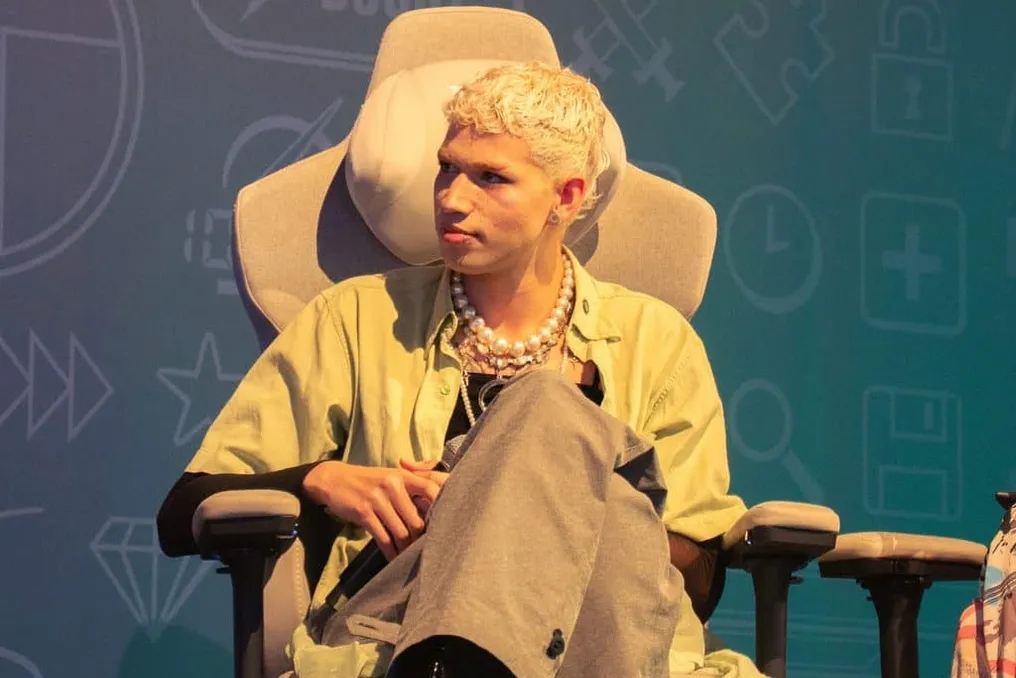
ZIPIIH discusses prejudice in games and the relevance of LGBTQIA+ representation
Read more
olhardigital.com.br

ZIPIIH discusses prejudice in games and the relevance of LGBTQIA+ representation

The universe of electronic games has the potential to be a place of unity, entertainment, and welcome. However, for women and members of the LGBTQIA+ community, participating in this medium still involves facing discrimination and prejudice.

In a conversation with Olhar Digital, Zee “ZIPIIH” Oliveira, who works as a content creator, presenter, caster, and former competitive League of Legends player, discussed her journey in the industry and the need to increase representation in esports and in the games themselves.

Currently, ZIPIIH focuses on producing material centered on pop and gamer culture, emphasizing the inclusion of women and LGBTQIA+ people. Her affinity for video games began in her youth, when games served as a refuge from bullying and the restrictions of living in a small town.

It was in League of Legends that she discovered the competitive scene, viewing a professional career as one of the few chances to gain prominence in esports. She stated: “I thought that the only place and the only way for me to reach that spotlight was by playing professionally.”

Throughout her career, ZIPIIH joined CNB but chose to leave competitions due to the intense training routine and pressure. During the pandemic, she intensified her investment in live streams and video production, something she had been interested in since childhood.

This shift in focus was also influenced by contact with other LGBTQIA+ content creators and presenters, which demonstrated the existence of opportunities outside of a player career.

Despite advances in game representation, ZIPIIH believes that women and LGBTQIA+ people continue to face barriers when playing online. According to the creator, discriminatory acts can arise in simple interactions, such as using voice chat with other players. She cited VALORANT as an example of an environment where she experienced such a problem.

For her, hostility is not limited to a specific game but reflects social issues that persist in digital spaces. The creator also raised the issue of the need to create inclusive and mixed categories in certain competitions. While recognizing the intention to give more chances to historically marginalized groups, she argues that the ultimate goal must be to ensure that everyone can compete on the same stage.

During the interview, ZIPIIH emphasized the importance of finding identification in both characters and fellow players and content creators. She advises those who have difficulty finding welcoming environments to seek out communities with similar interests, follow LGBTQIA+ creators, and establish their own support networks.

Her own experience shaped her work; upon noticing the lack of certain profiles in the spaces she aspired to, she decided to seek out these opportunities and help others do the same. She declared: “Don't stop doing the things you like and love, because there isn't a space for you.”

For ZIPIIH, representation must be broader than just the presence of diverse characters in games; it needs to reach broadcasts, content production, tournaments, and professional positions within the industry. Currently, she uses her platforms to promote debates about diversity in pop culture and gaming, creating videos and streams.

The creator also mentioned initiatives such as an inclusive VALORANT championship and content targeted at the language and experiences of the LGBTQIA+ community. However, she acknowledges that maintaining these environments requires continuous effort, especially in the face of conflicts and expressions of prejudice on social media. ZIPIIH concludes that supporting creators who fight for inclusion strengthens communities and increases the visibility of diverse audiences in the industry. Her trajectory illustrates how content creation can open doors in esports and drive a larger discussion about respect, belonging, and representation in the gaming world.

Popular