Rubinho returns to Interlagos with Williams; BMW reveals unprecedented compact and automotive news
Read more
FlatOut
flatout.com.br

Rubinho returns to Interlagos with Williams; BMW reveals unprecedented compact and automotive news

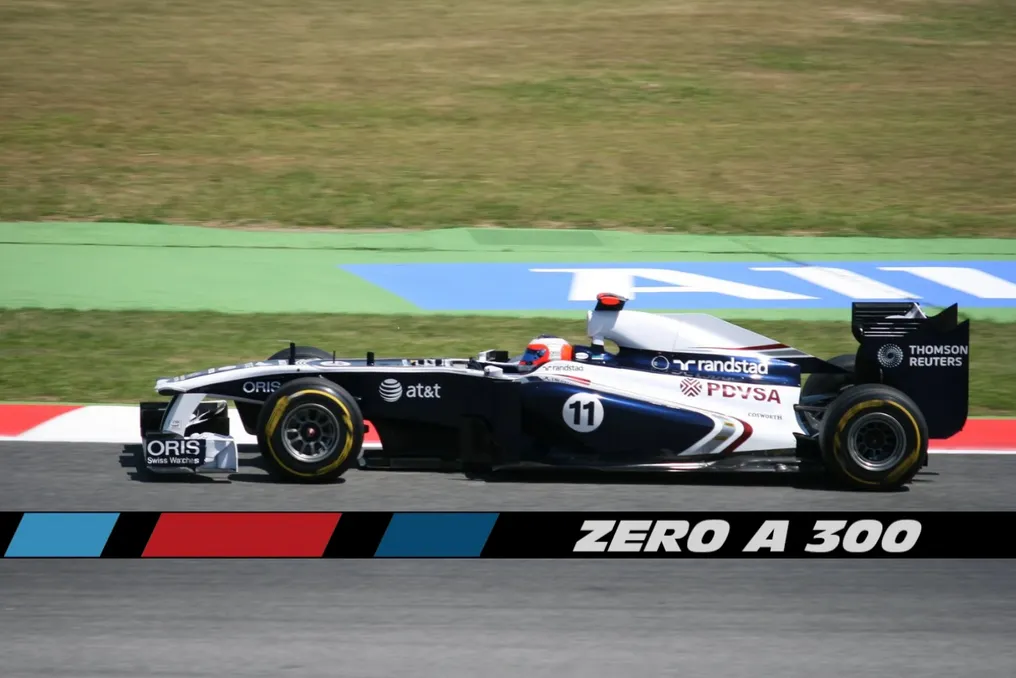
Rubens Barrichello, known as Rubinho, will return to the Williams FW33 cockpit at Interlagos. This car, with which he finished his Formula 1 career in 2011, will be used on November 8th, before the start of the São Paulo GP, under the initiative called Historical Lap.

This event is part of the celebrations of Rubinho's 45-year career and is sponsored by ALE Combustíveis. The driver will have about ten minutes on track with the Williams, which will be equipped with the 2.4-liter naturally aspirated Cosworth V8 engine.

The choice of this vehicle carries a particular significance, as Rubinho competed in his last F1 race at the 2011 Brazilian GP, finishing in 14th place with the FW33. That season, Williams only scored five points in the championship. Although he tried to return to the grid in 2012 and came close to competing in the 2014 Brazilian GP for Caterham, the team's financial problems prevented this return.

When announcing the event, Rubinho expressed that he did not imagine it would be his last farewell in Interlagos in 2011, stating: 'I didn't think it would be the last goodbye when I greeted my audience in Interlagos in 2011. And it's a good thing it wasn't.' He promised to accelerate intensely, saying: 'I want to tear up the Interlagos straight with you.'

BMW reveals never-before-produced four-door Series 3 E36 Compact

A functional prototype of a four-door variant of the BMW Series 3 E36 Compact, which was never put into production, was revealed by BMW Classic. This novelty intrigued because the initial idea was for a two-door hatchback with the style of the E36 sedan and rear-wheel drive.

The exhibited example, of the 316i variant, was the most basic model, equipped with a 1.6-liter four-cylinder engine producing 102 hp. Unlike simply adding two doors to an E36 Compact, this project started from a sedan, whose trunk was shortened and received the hatchback tailgate.

The car's construction featured unusual characteristics, such as the center console having controls for all four windows, while the rear ones used a crank. BMW was apparently testing proportions and shapes, opting to create a functional car rather than a model. Originally, the vehicle was supposed to be 'Boston Green', but ended up receiving the 'Hellrot' red paint.

The main reason the Series 3 E36 Compact was never manufactured was the high production cost. BMW sought to minimize expenses on the hatchback, even using components from the E30 generation, such as the rear suspension with semi-trailing arms and much of the interior.

Alfa Romeo: 'Time to end screens in cars'

Alfa Romeo has joined the movement advocating for the end of touchscreens in vehicles. According to Alejandro Mesonero-Romanos, the brand's head of design since 2021, the industry has exaggerated in this aspect, and it is time to reevaluate this trend.

The designer told Autocar that there was a 'war for screen centimeters,' which made no sense, as the screens had already become excessively large and were dominating the dashboard design. He also raised the issue of durability, predicting that these screens would become obsolete and expensive in a few years.

In response, the Cuorerosso concept, supervised by Mesonero-Romanos, eliminated a conventional multimedia unit. In its place, there is only a small screen on the center console that hides when not in use, sharing space with real physical controls.

Another highlight of the car is the instrument panel, which reinterpreted the traditional Italian concept of two circular dials, the cannochiale. These dials are digital and can reorganize to form a single screen, displaying only essential information without causing distraction. Mesonero-Romanos expressed a desire to drive at night with a single red-lit cannochiale.

Sensor tires may reduce braking distance

Cyber Tyre technology, presented by Pirelli in 2019, consisted of a tire with a sensor capable of communicating with the car's electronic systems. Tests conducted by the British magazine evo on a wet track demonstrated that a car equipped with the Cyber Tyre needed 5.7 meters less to stop from approximately 110 km/h compared to a car with equivalent tires but without the connected system.

The difference of the Cyber Tyre is not just pressure monitoring; each tire contains an internal sensor that collects data such as pressure, temperature, wear, load, and grip level. This information is transmitted in real-time to the vehicle's electronic control unit, which uses Pirelli algorithms to adjust the operation of ABS, stability control, and traction control according to the immediate conditions of the tire.

This overcomes a limitation of current systems, which operate with more generic calibrations. With the electronic sensor, the car precisely identifies the tire used, its condition, and its grip level, allowing for more precise interventions instead of just reacting to loss of traction. According to evo, the improvement was noted in both braking and wet cornering behavior, where the car maintained its trajectory for longer before exhibiting understeer.

Ram 2500 gets new top-of-the-line version

The Ram 2500 has received a new top-tier version in Brazil, the Laramie Night Edition. This version stands out for its darkened aesthetic appeal, replacing chrome elements with more sober finishes, such as grille trim, mirror caps, side steps, 18-inch wheels, and emblems. The bumpers are also painted in the body color.

To give it a more robust look, the hood now includes a central air intake, giving the front of the vehicle a sporty touch. This dark treatment extends to the interior, where seats, dashboard, steering wheel, and doors are upholstered in black leather. The equipment remains identical to the Ram 2500 Laramie, including a 12-inch multimedia center with wireless pairing for Android Auto and Apple CarPlay, a 12.3-inch digital dashboard, 360-degree external cameras, a complete ADAS package, ventilated and heated front seats with electric adjustments, and dual-zone air conditioning.

The mechanical assembly remains unchanged, maintaining the 6.7-liter Cummins turbodiesel, which generates 436 hp and 148.7 kgfm of torque, coupled with the eight-speed ZF TorqueFlite transmission. The drivetrain offers 4x2, 4x4, and 4x4 low options, and the brakes consist of ventilated discs with dual pistons and floating calipers. The load capacity is 1,287 kg, and the maximum towing capacity reaches 8,948 kg.

Since it is essentially an aesthetic package, the Ram 2500 Laramie Night Edition does not present an exorbitant price increase, costing R$ 10,000 more than the standard Laramie, totaling R$ 569,990 against R$ 559,990 for the common version.

Gunther Werks creates 872 hp Porsche 911 in tribute to Martin Brundle

Martin Brundle, known in Brazil as a rival to Ayrton Senna in English Formula 2, accumulated a vast career, competing in 158 Formula 1 GPs, winning the endurance world title, and winning the 24 Hours of Le Mans. He is currently recognized for his interviews on the starting grid of Formula 1.

In his honor, Gunther Werks produced a 872 hp Porsche 911. The special project was designed by Brundle's own daughter, Charlie Brundle, who is an automotive designer and has collaborated with McLaren, Aston Martin, and Jaguar Land Rover.

The vehicle, named Gunther Werks Brundle Edition Turbo, is based on the Porsche 993, but with an increased displacement to 4.0 liters and the addition of two turbos, resulting in 872 hp and 84.4 kgfm. It features a six-speed manual transmission and rear-wheel drive. The 911 Brundle was enhanced with independent suspension using overlapping triangular arms, Brembo carbon-ceramic brakes, modified aerodynamics with an adjustable rear wing, and forged magnesium wheels. Martin Brundle participated in tuning the suspension and the Sport and Track modes.

Charlie handled the aesthetics, creating a two-tone pearlescent paint inspired by her father's helmet. The name Brundle replaces the Porsche logo on the rear, and the initials MB are engraved on the carbon fiber seats. There are also references to the driver's career in the interior finish, including a Bell helmet with the same paint, signed by Brundle. On the dashboard, Charlie included a recurring phrase from her father: 'The most important bit of the car is the nut holding the steering wheel.'

Only five units of the Brundle Edition Turbo will be manufactured. Gunther Werks has not yet disclosed the price, but given that other modified 911s from the company exceed US$ 1,000,000, a high price is expected.
Similar stories

Europe loosens internal combustion engine phase-out targets; 904 hp Jetour arrives in Brazil in October
Read more
flatout.com.br

Europe loosens internal combustion engine phase-out targets; 904 hp Jetour arrives in Brazil in October

The main political groups of the European Parliament reached a consensus to soften the rules regarding the end of combustion engines in new cars in Europe, revising the initially established deadline of 2035.

The original legislation, sanctioned in 2023, stipulated that the average CO2 emissions of new vehicles should be reduced by 100% compared to 2021 levels, serving as an indirect method to ban the sale of combustion engine cars. Previously, the European Commission had suggested a reduction to 90%, allowing the remaining 10% to be compensated by credits derived from the use of low-carbon steel and renewable fuels.

Recently, France and Germany agreed to lower this target to 90% without the requirement for compensation. The new agreement between the parliamentary groups proposes reducing the effective requirement to 87.5%, leaving the remaining 7.5 percentage points subject to compensation through credits linked to the use of low-carbon steel produced in Europe. This measure aims to allow manufacturers to continue selling combustion engine vehicles after 2035, including hybrid models, provided they meet their fleet emission targets.

The pact also stipulates a decrease to 80% in light commercial vehicle emissions by 2035 and opens the possibility for vehicles powered by renewable fuels to be classified as zero-emission vehicles. For the year 2030, the groups advocate maintaining the 55% reduction for passenger cars and lowering the target for light commercial vehicles from 40% to 35%.

Despite the political retreat, the agreement still requires formal approval from the three parliamentary groups and subsequent negotiation with the governments of the European Union member states. However, given the current situation in Europe and the local industry, implementing the change seems inevitable.

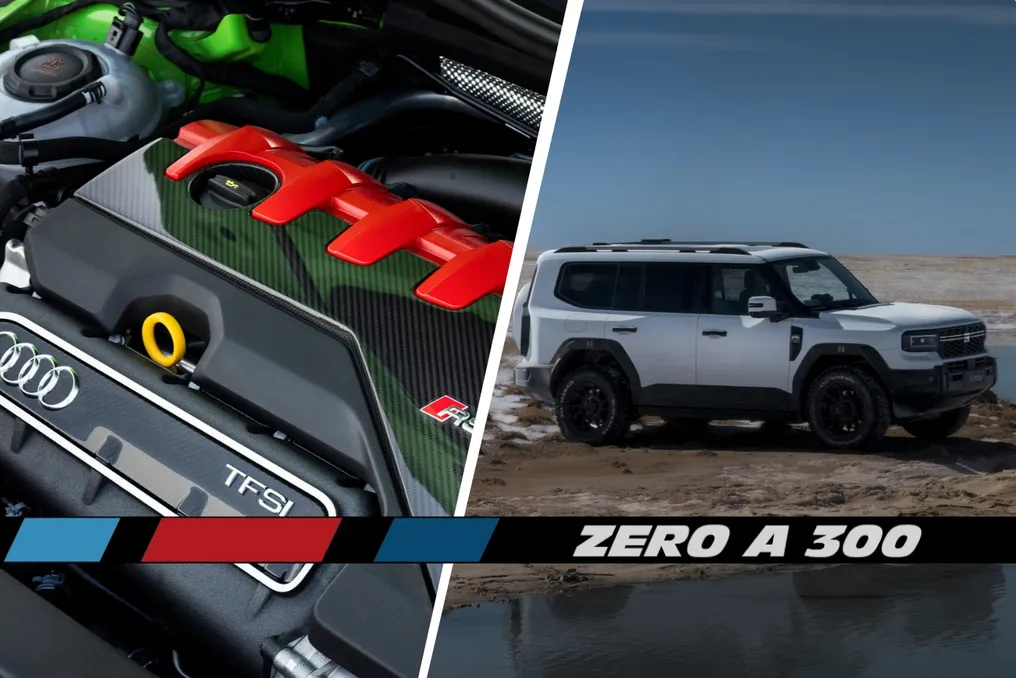
Jetour confirmed that it will launch the G700, its most robust and expensive SUV, in the Brazilian market this month. The confirmation occurred during the Chery Group's world convention, held in Wuhu, China. The full commercial presentation, including price disclosure and final equipment list for Brazil, is scheduled for the end of October.

This will be the fifth Jetour model introduced in Brazil and will represent the brand's new top line. The version intended for the country uses a plug-in hybrid configuration, combining a 2.0 turbo gasoline engine with two electric motors, one on each axle, resulting in 904 hp and 115.7 kgfm of torque. The vehicle has all-wheel drive and promises to reach 100 km/h in 4.6 seconds.

In addition to high power, the G700 seeks to be more than just a Chinese SUV with a powerful number; it offers six seats in three rows and reinforces its off-roader vocation thanks to its 'body-on-frame' construction, where the chassis is separate from the body. The declared combined range reaches up to 1,000 km in the WLTC cycle. The LFP battery has 34.13 kWh and, according to the manufacturer, allows for up to 100 km in purely electric mode.

Although the G700 was already displayed in Brazil in August, during the Interlagos Festival, without a defined commercial debut date, the new 904 hp specification differs from the previously mentioned 761 hp. This positions the SUV in an unusual niche: a luxury family utility vehicle with off-road capabilities, but with power exceeding many supercars.

For those seeking sound quality, even in automotive environments, Pioneer launched the Heritage Collection, ideal for those who own older vehicles and wish to add components with a period-appropriate look.

This collection includes box speaker type speakers (known in Brazil as 'overlay speakers'), model TS-X40SXT. These speakers reproduce the classic design of old acoustic cabinets and can be installed over the rear dashboard without requiring large openings. The TS-X40SXT features a square appearance, with a silver frame and black cones, containing a separate 13 cm subwoofer, a mid-range, and a tweeter, and displays the old Pioneer logo on the back, totaling 25W RMS power.

Complementing the set, Pioneer has made the SXT-C10PS audio system available since last year. This equipment faithfully replicates the look of the Pioneer KEH cassette player series, featuring an amber illuminated digital display. Despite the retro aesthetic, it incorporates modern functionalities such as digital radio, Bluetooth connectivity, and USB and auxiliary ports, the latter hidden under a cover that perfectly mimics the tape input of classic models.

However, there is a caveat: none of these products are officially available in Brazil. The radio was first launched in Europe and is now arriving in the United States for US$ 499 (approximately R$ 2,500 in direct conversion), while the speakers cost US$ 299 (about R$ 1,500), both available for pre-order. Direct purchases from Pioneer may result in a nearly doubled price due to shipping and import taxes.

An Alfa Romeo Giulia GT 1300 from 1967 suffered an accident in a race, and its owner transformed the vehicle into an almost brand-new machine, equipped with an aluminum body, customized front end, lowered roof, aerodynamic rear, and a 180 hp engine. This car, nicknamed Red Submarine, is currently for sale in the United Kingdom.

The transformation began in the early years of the Giulia's life when an incident damaged its original structure. Instead of restoring it, the owner opted to replace it with an aluminum body, which underwent modifications over the decades. The current configuration exhibits an extremely low fastback profile and a Kamm-style rear, reminiscent of 1960s endurance prototypes, although it was not developed by Alfa Romeo or Autodelta.

The original 1.3-liter engine was replaced by an Alfa Romeo Nord four-cylinder engine, with a displacement of 1,962 cm³, aluminum block and head, dual overhead camshafts, and prepared to generate about 182 hp, according to the owner's statement. The transmission system is a five-speed manual. The car also features a roll cage, a simplified interior, original instruments, and alloy wheels with a unique design.

The current owner acquired the Alfa in Belgium approximately ten years ago and has since dedicated himself to developing the mechanics and bodywork for track use. He claims the vehicle is exceptionally fast and stable, although there is no official performance or weight data. Interestingly, despite its racing appearance, the Red Submarine remains legalized for circulation on British roads and is being auctioned by Car & Classic, with the closing date set for October 25.

In the 1990s, Hans-Joachim Stuck competed in IMSA GTO using an Audi 90 Quattro. Due to its remarkable performance, the competition jokingly applied a sticker with his face crossed out by a prohibition sign. In retaliation, the driver added a small figure to the rear of his Audi simulating the act of 'mooning' (showing buttocks), with a mechanism that made the toy move, repeatedly lowering and raising the pants.

Mattel decided to replicate this joke in its miniature of Stuck's Audi 90 Quattro. This figure, known as the 'mooning doll,' is difficult to see without disassembling the model, which was done by an enthusiast. Upon disassembly, a considerable level of detail could be noted under the chassis, including a simplified replica of the five-cylinder engine with four valves per cylinder and over 700 hp.

This represents a positive point against common criticisms that Hot Wheels miniatures are becoming simpler and poorly executed. Although many current miniatures use thinly textured plastic floors, Mattel occasionally succeeds in modeling and in accurate historical references.

Nissan hybrid X-Trail launch in Brazil and transformation of Mercedes-AMG GT into an SUV
Read more
flatout.com.br

Nissan hybrid X-Trail launch in Brazil and transformation of Mercedes-AMG GT into an SUV

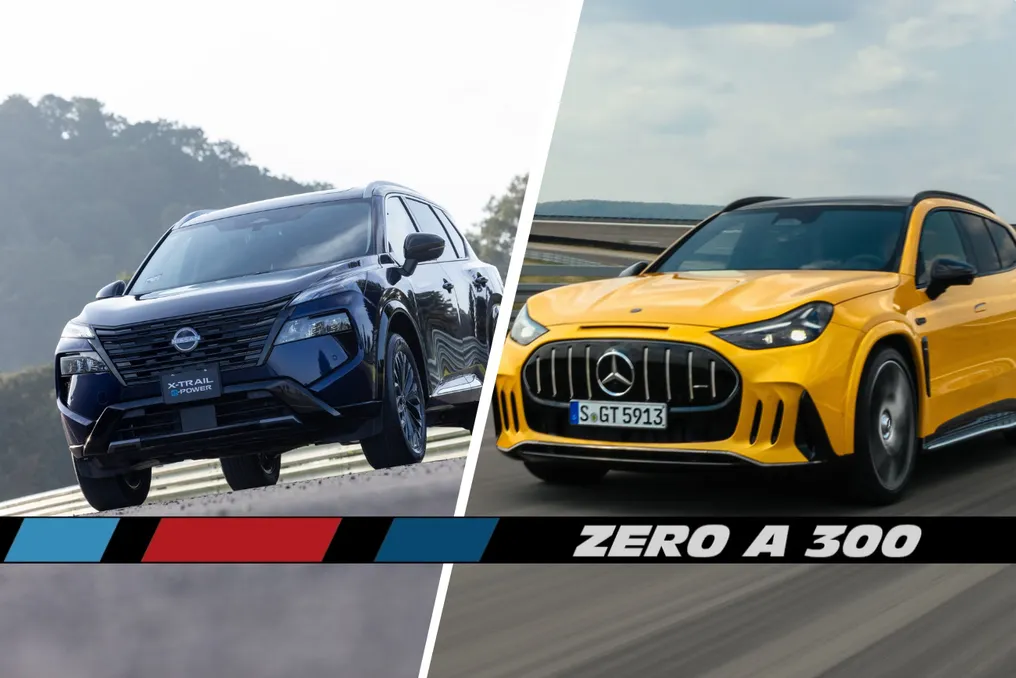
Nissan announced that the new hybrid X-Trail is scheduled to launch in Brazil in the second half of 2027. This utility vehicle aims to occupy a higher position than the Nissan Kicks and serve as a tool for the automaker to compete with growing Chinese competition.

Ricardo Gondo, President of Nissan in Brazil, confirmed that the X-Trail will be marketed with seven-passenger capacity, unlike the rest of Latin America where the model is offered only with five seats. It will arrive in the e-Power and e-4orce versions, configured with a hybrid system and four-wheel drive.

The powertrain consists of a 1.5-liter turbo engine producing 144 hp and 25.5 kgfm of torque, which functions solely as a generator to power two electric motors: one of 204 hp in the front and another of 136 hp in the rear. Together, these components generate a total of 216 hp and 33.7 kgfm of torque. The transmission is direct, with only one gear, and the performance is considered satisfactory, reaching 100 km/h in seven seconds, with a maximum speed limited to 180 km/h.

With dimensions of 4.69 meters in length, 1.84 m in width, and a wheelbase of 2.71 m, the Nissan X-Trail has a size similar to the Toyota RAV4 Hybrid, one of its main competitors. The trunk accommodates 485 liters when the third row is folded down, and with seven occupants, the cargo space is 120 liters.

To compete in this segment, the X-Trail will be equipped with expected features such as three-zone digital air conditioning, a 12.3-inch multimedia center, and a driver assistance package that includes adaptive cruise control, autonomous emergency braking, and lane departure warning.

Although the price has not yet been disclosed, an estimate based on competition suggests the value could range between R$ 300,000 and R$ 350,000. This compares to Chinese models like the Leapmotor C10, which starts around R$ 220,000, and the Toyota RAV4 Hybrid, which exceeds R$ 300,000, with the plug-in hybrid version nearing R$ 400,000.

Mercedes-AMG transforms its 1,169 hp electric GT into an SUV

Mercedes-AMG has transformed its new 1,169 hp electric Mercedes-AMG GT, a sedan featuring three axial flux motors, a large battery, and a weight of 2,460 kg, into an SUV—a decision that, according to the automaker, could generate good revenue.

This is the first large SUV fully developed by AMG. The GT 63 version essentially uses the same architecture as the four-door GT: three axial flux electric motors (two rear and one front) delivering 1,169 hp and 203.9 kgfm. Mercedes states that this model reaches 100 km/h in 2.7 seconds and achieves 270 km/h.

The weight challenge persists, but now on an SUV scale. The GT 63 can be equipped with a 106 kWh battery weighing 2,585 kg, or with the larger 128 kWh package, increasing the weight to 2,695 kg. In the longer-range configuration, it adds 235 kg to the weight of the previous electric GT.

The expanded battery promises a range between 620 and 700 km in the WLTP cycle and supports fast charging up to 710 kW in DC current. Mercedes claims this allows recovering up to 454 km of range in ten minutes or going from 10% to 80% in 12 minutes, depending on charger availability.

To deliver behavior worthy of an AMG despite the weight approaching 2,700 kg, the GT SUV incorporates pneumatic suspension with active hydraulic roll and longitudinal control, rear steering, and independent torque vectoring on both rear motors. Furthermore, it features active aerodynamics, including movable air intakes and an adjustable rear spoiler.

Similar to the four-door model, Mercedes included a mode that emulates the sound of an AMG V8 and simulates gear shifts, now incorporating seat vibrations. This raises questions about whether future electric performance will need to replicate what it replaced so faithfully.

Mercedes admits it underestimated V8 fans

Mercedes-Benz acknowledged that it may have neglected customer preference for the V8 engine when replacing the C63's V8 with a four-cylinder hybrid engine. Mercedes-Benz CEO Ola Källenius admitted that the brand underestimated the appreciation of the so-called 'good old V8 crowd' when implementing this change.

Subsequently, Stefan Weckbach, head of AMG, confirmed that the next CLE 63 will return to using a V8 in 2027, indicating that AMG learned from public reaction and opted to return to what customers appreciate.

This change comes after years of uncertainty on the topic. In 2023, Mercedes sources informed the German press that the idea of returning to the V8 in the C63 and E63 was 'pure nonsense,' and the brand later denied the return of the V8 to the C63.

The situation raised doubts, given that Mercedes planned to convince C63 V8 owners to spend amounts close to R$ 1,000,000 to migrate to a model with a 2.0 four-cylinder engine from the A45 AMG, equipped with technology considered tedious by Formula 1.

Honda Civic hybrid gains Prelude's S+ Shift transmission

Honda will implement the Prelude's S+ Shift transmission system in the hybrid Civic, aiming to make driving more engaging. This feature will only be available for the hatchback version.

In the standard Civic e-CVT system, the car operates mainly with the electric motor at low and medium speeds, while the Atkinson combustion engine serves only to generate electricity via a secondary generator motor. As speed increases, a hydraulic clutch connects the combustion engine directly to the wheels to optimize fuel economy. Because it lacks physical gears, acceleration is constant, which favors consumption but makes the driving experience less dynamic.

S+ Shift resolves this issue by incorporating eight virtual ratios controlled by butterflies behind the steering wheel—previously used only to adjust regenerative braking. By simulating a gear shift, the electronic management causes a momentary decrease in RPM and torque to replicate the impact of a real change. During downshifts, the system mimics the characteristic RPM jump of a downshift, aided by an artificial sound emitted by speakers, synchronizing the audio with the system's behavior.

The software also adapts these simulations in real time, analyzing pedal usage, cornering angle, and track inclination. Currently, this novelty is restricted to European hatchback models. In the Brazilian market, where the Civic is sold only as a sedan (excluding the Type R), Honda has not yet confirmed whether the car will receive the system, a prospect that becomes more remote with the arrival of the Prelude, given Honda's tendency to maintain clear distinctions between models in the country.

Royal Enfield launches its rarest (and most expensive) motorcycle in Brazil

Royal Enfield has consolidated its image as a manufacturer of motorcycles with good performance, sophisticated design, and accessible prices. In a strategic shift, the brand will launch in Brazil a special, limited, and exclusive series priced almost double the average of its motorcycles.

This is the Royal Enfield Classic 650 Hypershift 125th Anniversary Edition, whose name celebrates the 125 years of the original Royal Enfield, the British company that originated the current one, headquartered in India. Mechanically, this limited edition is identical to any Classic 650, equipped with a 47 hp, 5.33 kgfm twin-cylinder engine and a six-speed gearbox.

The exclusivity lies in the design, with the Hypershift finish—a brass base paint covered by a layer that changes color depending on light and viewing angle, varying between gold, red, and green tones. The motorcycle also features specific emblems and hand-painted fillets, in addition to a premium leather-upholstered seat and a black glossy engine. Wheels and exhaust are painted matte black.

Although it is a pleasant motorcycle to ride, this special edition is aimed at collectors. To acquire it, one must register on the brand's website by October 26th, the date of pre-order opening. Only 75 units will be made available in Brazil out of the 650 produced globally, for the price of R$ 49,990.

Porsche launches Mission S, its new supercar, while Toyota reveals name for Corolla Cross pickup
Read more
flatout.com.br

Porsche launches Mission S, its new supercar, while Toyota reveals name for Corolla Cross pickup

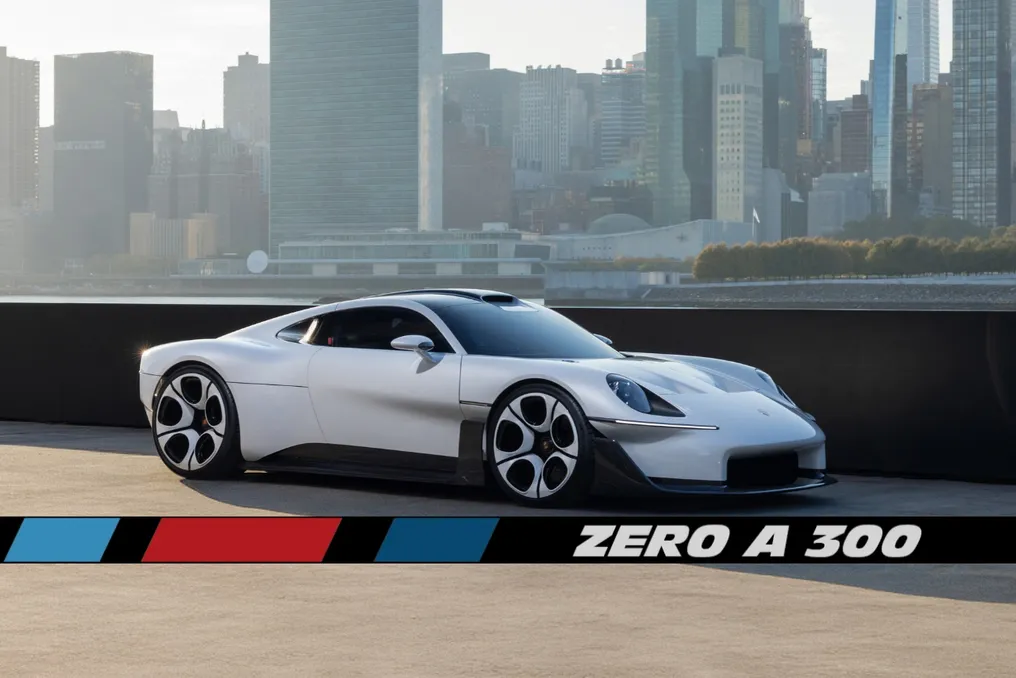
Porsche has presented the Mission S, its latest supercar, which succeeds the 918 Spyder. Unlike previous concepts that seemed ready for the road, this model is a real production sports car. The Mission S design maintains the Porsche identity at the front, with circular headlights in more elaborate frames, and its overall silhouette resembles the 911, although it is more elongated due to the mid-rear engine layout.

An aesthetic highlight is the fenders, which are prominent at the front and appear to float above the aerodynamic elements of the bumper and side skirts. At the rear, they form a frame that encloses the rear wing, creating what Porsche calls 'floating volumes.' This approach reflects the clean and well-defined lines typical of the manufacturer's modern cars, prioritizing refined proportions and contours over excessively detailed elements.

The conceptual references cited by Porsche for the Mission S include the Porsche 959, the legendary 911 GT1, and the 550 Spyder. Internally, the philosophy follows the tradition of Stuttgart, presenting a contemporary and harmonious cockpit that subtly evokes old 911s, with a horizontal dashboard and instruments concentrated in front of the driver. There is a mix of analog and digital elements, where the tachometer is physical, but the display is a configurable screen depending on the driving mode.

The priority of the Mission S is the driving experience, which led Porsche to opt for a minimalist setup that dispenses with a multimedia center, replaced by a MagSafe phone mount. The center console features physical buttons for essential functions, and the gearshift has adjustable height. Although Porsche has not detailed the mechanical assembly, rumors point to an eight-cylinder boxer engine, possibly with a hybrid system. The absence of a clutch pedal suggests an automatic transmission, and the upward-facing rear fan reinforces the possibility of it being a boxer and not an electric powertrain.

The Mission S integrates Porsche's 'Sportwagenschmiede ’35' strategy, but there is no release forecast. It was only mentioned that it will be positioned above the 911, and Tobias Sühlmann, the manufacturer's design department director, stated that it will serve as inspiration for future models.

Toyota Corolla Cross pickup already has a name and should arrive next year

The monocoque pickup market in Brazil is diversifying, and Toyota will enter this segment using the Corolla Cross as a base. According to reports from Autoesporte, this version has already been named Corolla Deck. Designed to compete with models such as Fiat Toro, Renault Niagara, Ram Rampage, BYD Mako, and Volkswagen Tukan, the Corolla Deck will be offered only with a double cabin and will feature hybrid technology.

The mechanical assembly is reportedly set to use the 2.0L 16-valve naturally aspirated, Atkinson cycle engine found in the Toyota Prius. This engine produces 152 hp and 19.4 kgfm, but combined with an electric motor, it can reach 223 hp, although this value may be adjusted in Brazil to run on ethanol and gasoline, applicable to the more expensive versions. In the most basic configurations, the Corolla Deck should operate only with the 2.0L engine, delivering 175 hp and 20.8 kgfm of torque.

Stylistically, the pickup is expected to incorporate elements from the Toyota Corolla Cross, especially in the doors and A-pillars, but the front will have its own design. Although there is no official debut date in Brazil, production is estimated to begin in Sorocaba (SP) in mid-2027, with a launch scheduled for the second half of the year.

Hyundai i20 sells poorly and HB20 remains in line

The Hyundai i20, with its design blending characteristics of a compact SUV and a hatchback, has not achieved the expected success in its initial months of commercialization. Due to this performance, Hyundai has altered its plans, deciding to keep the HB20 hatchback in production for a longer period than initially planned.

The figures justify this decision: between June and September, the i20 registered approximately 7,700 sales in Brazil, while the HB20 sold about 53,000 units in the same interval. Based on this, Hyundai opted to extend the HB20 as the entry-level model in the country indefinitely. An version with a 1.0L naturally aspirated engine producing 80 hp and 9.6 kgfm of torque, always with a five-speed manual transmission, priced under R$ 100,000, is expected to be revealed in the coming months.

In contrast, the HB20S sedan will end its cycle at the end of this year, without an immediate replacement. The discontinuation of the three smaller volumes reflects the growing preference of the Brazilian market for compact crossovers.

Tesla Roadster can

Popular