With the onset of winter season in many cities, including Delhi-NCR, concern is growing over toxic air quality. Even before winter begins, the air is polluted, with the Air Quality Index (AQI) exceeding 100 in some areas and reaching over 200. In the coming weeks, this index could exceed 500, making air purifiers indispensable in homes.
However, after purchasing an air purifier, it is crucial to ensure it is properly maintained. If filters are cleaned incorrectly or not replaced on time, the device's ability to clean the air may decrease, and the appliance could become useless.
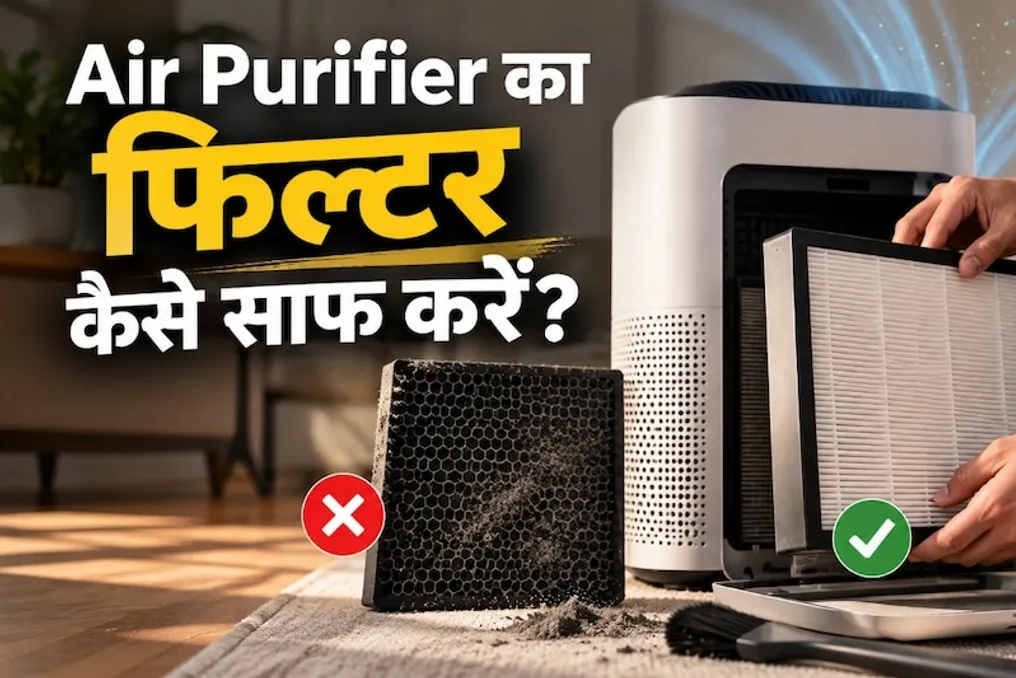
Many people try to save money by washing HEPA filters with water, while others clean each filter with a vacuum cleaner. Such actions can harm your air purifier. The rules for proper filter handling are presented below.
According to recommendations from the U.S. Environmental Protection Agency (EPA) and companies like Samsung and Philips, the filter care method depends on its type. Pre-filters in some models can be washed and reused, but washing standard HEPA and activated carbon filters with water is not recommended.
Branded air purifiers usually have several types of filters installed, each performing a specific function. The pre-filter, located on the outside, prevents dust, hair, and large particles from entering, thereby reducing dirt buildup on the main filters.
The HEPA filter is responsible for capturing the smallest particles present in the air, such as pollen, dust, and fine particles. The activated carbon filter helps reduce gases and unpleasant odors. However, not every carbon filter removes all types of gases, and its effectiveness also depends on the amount of carbon contained in the filter.
Therefore, it is mistaken to believe that all filters can be cleaned in the same way. Improper cleaning can damage the filter and increase replacement costs.
The HEPA filter is the most important part of the air purifier. Many people, seeing dust accumulation on it, wash it under the tap. However, most household air purifiers are not designed to be washed with HEPA filters. Washing leads to damage to the HEPA filter and disrupts the purification process.
So how should it be cleaned? First, you should study your air purifier model and the accompanying manual. If the manufacturer does not allow washing or vacuuming the HEPA filter, do not do it.
You can remove the HEPA filter from the purifier and gently remove dust from the outer surfaces using a soft brush. It is important not to scratch the HEPA filter, but only to clean off external dust.
If the filter is heavily soiled, its service life has expired, or the machine shows signs of needing replacement, it is better to replace it than to clean it. Replacing a new filter is often the best way to maintain its stated efficiency.
The carbon filter is designed to reduce levels of certain gases and odors, such as kitchen smells. However, over time, its ability to absorb gases decreases. Washing this filter with water will not restore its original capacity.
If dust is visible on the carbon filter, it does not mean it needs to be washed. When it should be replaced depends on the manufacturer's manual and the condition of the filter itself.
In some purifiers, HEPA and carbon filters are installed in one unit. In this case, the entire filter unit may need replacement. If they are separate, only the necessary filters can be replaced according to the company's instructions, which helps avoid unnecessary costs for replacing the whole set.
Pre-filter maintenance is generally the simplest. It serves to prevent large particles of dust, hair, and other dirt from entering the device. In many air purifiers, it can be washed and reused, but this feature is not available in all models.
Before starting the cleaning, turn off the air purifier and unplug it from the power source. Then, following the manufacturer's instructions, open the front cover and remove the pre-filter. If dust has accumulated on it, it should first be removed manually. If the manufacturer allows washing, it should be rinsed with clean water.
Avoid vigorous rubbing or cleaning with a stiff brush, as this can damage the fine mesh or surface of the filter. After cleaning, allow the filter to dry completely. It is not recommended to put a damp filter back in, as moisture can cause problems inside the device.
Samsung recommends cleaning the pre-filter every two weeks on some of its models. However, your purifier's needs may differ. If there is a lot of dust in the house, pets, or the machine runs for hours, the pre-filter may get dirty faster.
When should filters be replaced?