No need to buy pots: you can grow plants in 6 useless household items
Read more
Aaj Tak
www.aajtak.in

No need to buy pots: you can grow plants in 6 useless household items

People often strive to decorate their homes using not only designer furniture but also many green plants. Although everyone enjoys gardening, the necessity of buying pots in a store every time can be a real blow to the budget. However, there is a belief that expensive pots are necessary for home landscaping, which is not true.

To bring greenery into your living space, it is not necessary to purchase expensive pots. Many items that we consider useless and throw away as trash can be used to grow plants. This approach will not only increase the amount of greenery in the house but also allow for the reuse of old things. Below are six such items that can be used instead of traditional pots.

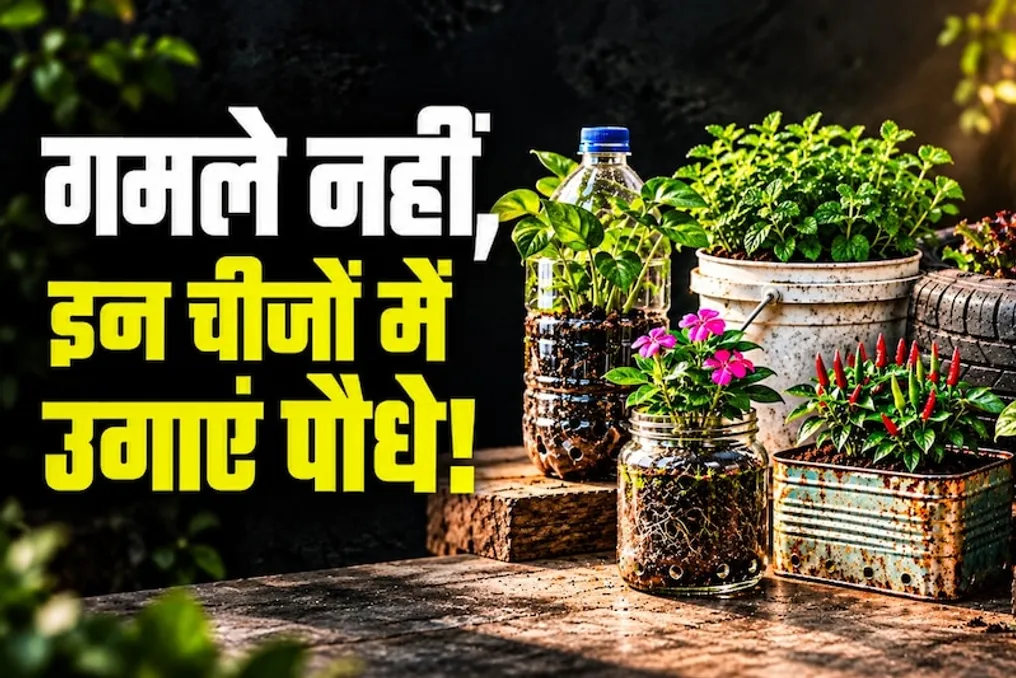
  1. Old plastic bottles: Instead of throwing away empty plastic bottles, they can be turned into planters. The bottle should be cut, filled with soil, and planted with mint, cilantro, or small flowering plants. If desired, the bottle can be painted and hung on the balcony, but holes must be made in the bottom to drain excess water so that the roots do not rot.
  2. Growing vegetables in old buckets and broken basins: In old buckets or damaged basins, you can cultivate vegetables such as tomatoes, peppers, and eggplants. For this, the container must be cleaned, drilled with holes at the bottom, and filled with soil and fertilizer. It is important to provide the plants with enough space to grow and ensure easy drainage of excess moisture.
  3. Growing Monstera in a glass bottle or jar: Plants like Monstera, ivy, and lucky bamboo can be grown directly in water. To do this, pour clean water into a glass bottle or jar and place the node of the cut plant in the water. The leaves should be kept above the water, and the water should be changed regularly.
  4. Creating a flower bed from old tires: Old tires can be cleaned and painted, and then filled with soil for planting seasonal flowers or decorative plants. Several tires can be arranged beautifully on a balcony or in a yard, creating a picturesque garden. Care must be taken to ensure that water does not accumulate in them, and tires should not be used to grow edible vegetables.
  5. Planting plants in old boxes: Empty and sturdy boxes available at home can be converted into miniature planters. They must be cleaned and used to plant cilantro, mint, or small decorative plants. It is necessary to ensure that the box is made of environmentally safe material and has not previously contained chemicals. Soil planters must have drainage holes.
  6. Growing small plants in coconut shells: Hard coconut shells are excellent as beautiful planters for small plants. After cleaning, they can be filled with soil and planted with decorative seedlings. With the help of string, they can be hung on a balcony as a hanging planter. Furthermore, coconut fiber helps retain moisture in the soil mixture.
Similar stories

How to green a balcony without direct sunlight: 7 suitable plants
Read more
www.aajtak.in

How to green a balcony without direct sunlight: 7 suitable plants

The desire to create greenery on a home balcony often remains an unfulfilled dream when there is insufficient sunlight in that area. Many people, despite regular watering and planting in pots, encounter yellowing leaves and wilting flowers without understanding the cause of the problem. In fact, not all plants require the same amount of light; some thrive in bright sun, while others can remain lush even in low light or shade.

If sunlight barely reaches your balcony, there is no need to worry. There are plants that do not require intense and direct solar radiation, and they can make the balcony beautiful and green. Below is a list of seven such plants that can grow well even in low-light conditions.

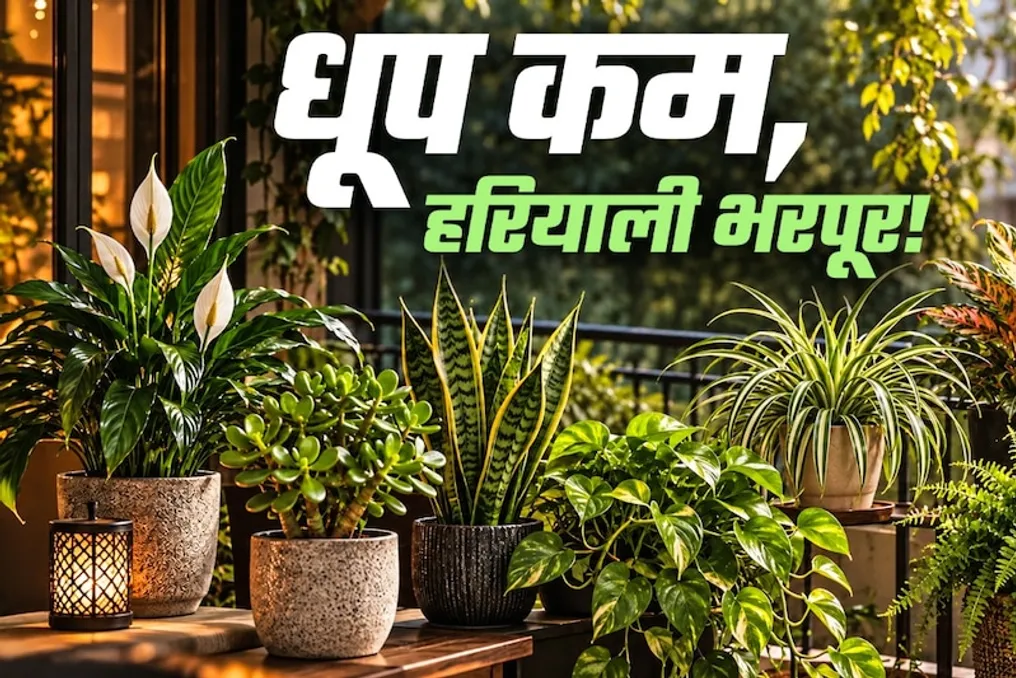
The first plant on the list is the Peace Lily. This lily with green leaves and white flowers can add beauty to the balcony. It is best kept in indirect light, avoiding direct rays. It is important to maintain moderate soil moisture and not overwater.

The second option is the Jade Plant. Its fleshy, shiny leaves give it an attractive appearance. Place it where there is not too much, but quality natural light. Water only after the soil has completely dried out, as excess moisture can damage the roots.

The third plant is the Snake Plant. This plant with long, pointed leaves can survive in low light. Its care is simple, and it can be placed in any corner of the balcony. Water only after the soil dries out, as overly wet soil leads to root rot.

The fourth plant is the Money Plant. Its vines and heart-shaped leaves give the balcony a green look. It can be used in hanging baskets or trained up a support. It develops well in low light, and watering is necessary when the top layer of soil has dried.

The fifth plant is the Spider Plant. The long, arching leaves of this plant decorate the balcony. It can be placed on a stand or hung in a pot. The Spider Plant does not like direct and strong light and grows wonderfully in diffused light. Water only after the soil has dried.

The sixth plant is the Aglaonema. Its leaves can be green, as well as pink, red, or silvery, making the balcony more decorative. This plant can also grow in low-light conditions, although it is better placed where there is some natural light. It is necessary to ensure that water does not stagnate in the pot.

The last plant is the Fern. Thanks to its dense and sprawling leaves, the fern gives the balcony a natural look. There are various varieties that grow excellently in shaded areas. Place it where direct sun is minimal, maintaining soil moisture, but avoiding excessive watering.

Popular