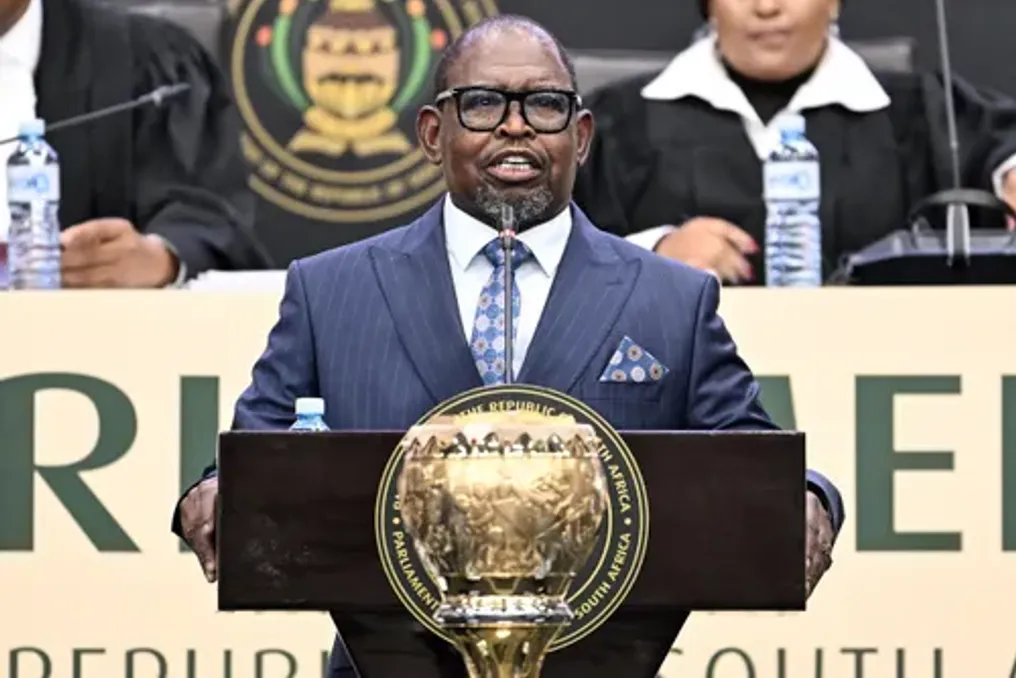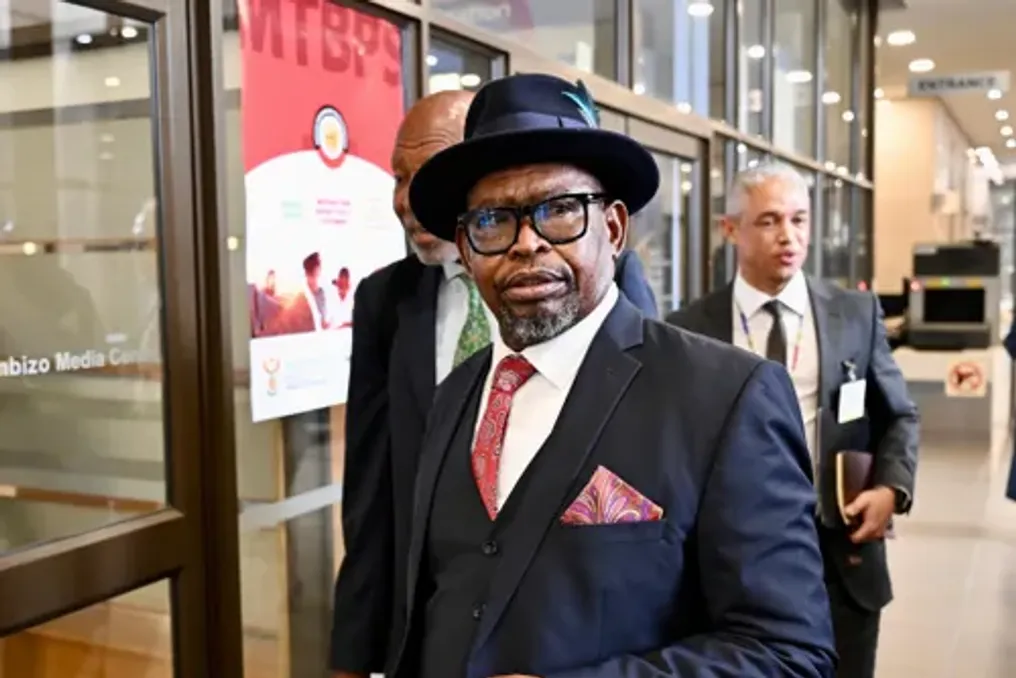
Finance Minister Enoch Godongwana stated that the full responsibility for the effective use of public resources and meeting the needs of the population lies with the municipalities. Presenting the Medium-Term Budget Policy Statement for 2026, Godongwana addressed members of parliament, noting that while citizens interact most directly with the state at the local level, the financial and operational performance of many municipalities remains weak.
He emphasized that such a situation is unacceptable because it negatively affects the provision of basic services, undermines economic activity, and reduces public trust. Godongwana also noted that increased funding has somewhat helped alleviate fiscal pressure on municipalities.
Municipal grants may be suspended or redistributed
The Minister stated that the focus must now shift to achieved results rather than just resource availability. The main objective is to improve financial management, strengthen the administrative apparatus, and eliminate losses. He specified that every rand transferred to municipalities must lead to tangible improvements in people's daily lives, including reliable water supply, functioning sanitation, proper roads, and safe, lit public spaces.
Godongwana also reported that municipalities are being incentivized to reinvest revenue from water, electricity, and waste disposal services into infrastructure supporting these services. The Minister demanded that municipalities manage the tariffs they set for residents for basic services more competently. According to a municipal finance review conducted by the ministry, most municipalities have sufficient funds for current operations, but excessive operating costs lead to insufficient long-term investment in infrastructure and its maintenance.
Measures such as the use of smart meters are being implemented to improve revenue collection. In addition to the allocated 2 billion rand, another 3 billion rand is planned to be added within the medium-term expenditure framework for wider deployment of smart meters. This is in response to successful revenue collection experiences in local municipalities such as Sol Plaatje, Kannaland, and Bela Bela. Godongwana warned that he would not hesitate to withhold Equitable Share allocations from municipalities that violate their obligations. In June, the National Treasury suspended payments to 69 municipalities before releasing funds to those that met specific requirements.
He added that in the medium term, grant conditions will be strictly enforced, and funds will be withheld or redistributed if municipalities fail to comply with requirements, and allocations will be more closely tied to service delivery outcomes.
Treasury proposes tightening municipal finance rules
Godongwana also announced that the government is intervening to ensure that national departments, provinces, and other agencies pay debts owed to municipalities after verifying the amounts. As of December 31, 2025, municipalities reported that government bodies owe local government 27.6 billion rand, with provincial departments owing more than half of this amount.
Meanwhile, the National Treasury is in the process of amending the Municipal Finance Management Act (MFMA). Godongwana informed Parliament that the draft legislation, published for comment, clarifies the duties of accountants, councils, and executive bodies. This document strengthens the National Treasury's ability to act against financial misconduct and persistent non-compliance while protecting accountants who make lawful decisions in good faith. Furthermore, it strengthens the governance of financially burdened state structures.
The bill aims at unfunded budgets and misconduct
The proposed changes allow for decisive early intervention in accordance with Section 139 of the Constitution, enhance oversight of financial management by the National Treasury, and stipulate personal liability for officials, political leaders, and council members for unauthorized, irregular, fruitless, and wasteful expenditure. These measures prevent councils from adopting unfunded budgets and create provisions for more accurate budget estimates.
CEO Duncan Peters noted that a central element of the amendments is the involvement of the National Treasury in appointing Chief Financial Officers (CFOs) in municipalities. He also stated that the bill is currently in the public comment phase.