The traveltech startup TravClan has successfully raised $5 million in funding. The investment came from Flipkart and August One, as well as debt financing from Trifecta Capital.
The company plans to use the raised funds to expand its global supply network, improve technological capabilities, including artificial intelligence, and strengthen operational activities in key international regions.
TravClan offers a technology platform that integrates supply infrastructure, technology, and order fulfillment for travel industry businesses. This platform supports numerous features such as price calculation, route creation, booking, payments, order execution, customer communication, and on-site support.
The startup helps travel businesses sell and fulfill bookings for flights, hotels, events, and international package tours.
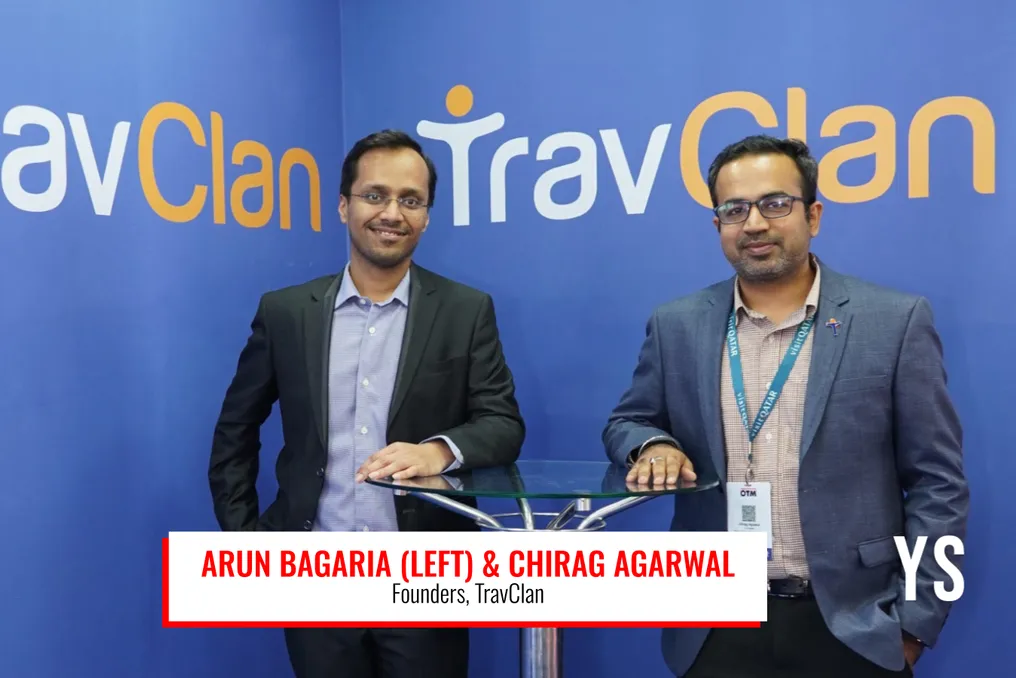
Co-founder and CEO of TravClan, Arun Bagaria, stated that the company's goal is to become the foundation upon which any travel business can build its operations, rather than having to create its entire necessary technology stack independently. He added that this capital will allow them to aggressively invest in this opportunity.
According to TravClan, the platform enables travel agents to plan, price, and restructure complex international routes more quickly. Furthermore, it consolidates global assortment, pricing, booking, AI-based workflows, and order fulfillment within a single system.
TravClan claims that over 15,000 travel agents in India use their platform to book services, generating an annual travel sales volume exceeding $100 million. Moreover, about 40% of the company's business now comes from second and third-tier cities, reflecting growing demand for international travel outside India's largest metropolises.
Sahil Kukreja, Vice President of Trifecta Capital, noted that TravClan has built a capital-efficient model based on owning supply rather than buying demand, distributing services through agents in underserved markets.
Rajul Garg, Founder and Managing Partner of Leo Capital, commented: 'We supported them when owning supply seemed like a slow way to build a business. It brought double benefits—better prices and a trip that actually works if something goes wrong. In the travel sector, whoever owns the supply controls the economy.'