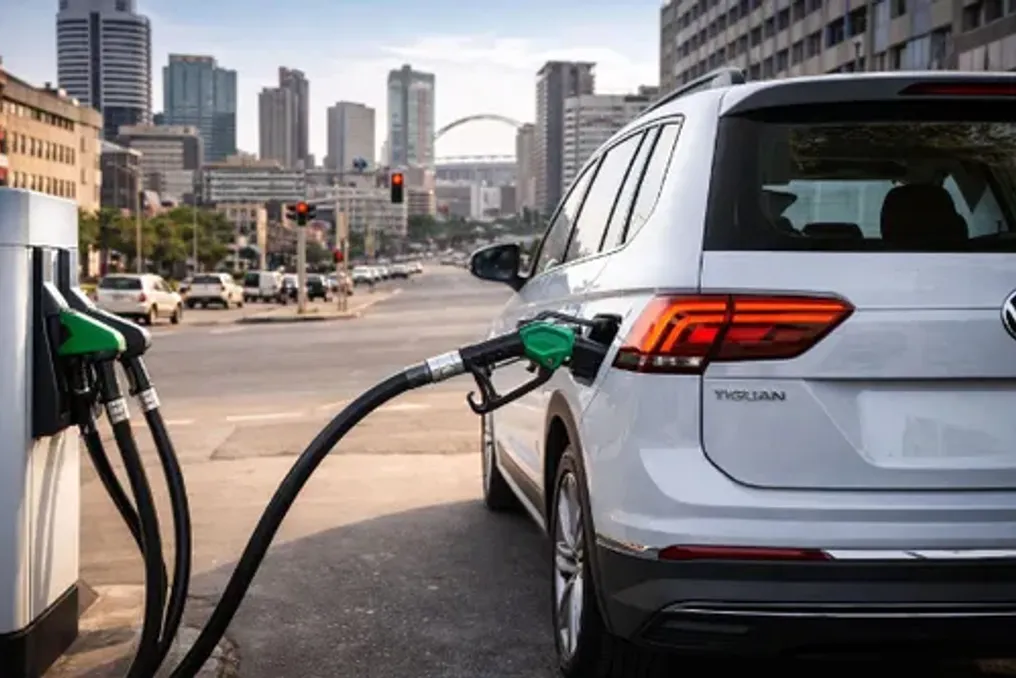
Finance Minister Announces Temporary Fuel Tax Reduction for South Africans in November
Read more
IOL
iol.co.za

Finance Minister Announces Temporary Fuel Tax Reduction for South Africans in November

South Africans have received long-awaited support from the Ministry of Finance, as Finance Minister Enoch Godongwana announced measures to ease the fuel burden, which will take effect on November 4th. During his Medium-Term Budget Policy Statement presented to Parliament on Wednesday, Godongwana announced a temporary reduction in the overall fuel levy.

This means that from November 4th to December 1st, a tax deferral of 3 rand will be provided for diesel and 1.50 rand for petrol. Subsequently, until January 5th, these amounts will decrease to 1.50 rand for diesel and 1 rand for petrol.

How will this affect pump prices?

Due to the volatility of global oil prices, including a recent surge, it is difficult to accurately forecast fuel price adjustments in November. However, the latest data from the Central Energy Fund shows a more optimistic outlook compared to the beginning of the month.

Although the latest CEF report still indicates accumulated shortfalls of between 1.37 and 1.46 rand for petrol, there has been a slight over-receipt in recent days. If this trend continues, the increase is likely to remain below the 1 rand per litre mark, leading to a fuel price decrease of 50 cents or more after accounting for the tax deferral.

Diesel prices also look more encouraging. Current forecasts suggest a possible increase of approximately 1.25 rand per litre, although it may rise slightly by the end of the month if international prices remain at current levels. Nevertheless, diesel drivers may still see a price drop of 1.50 rand or more per litre.

With the implementation of the above forecasts, petrol prices in November are expected to range from 28.88 to 29.75 rand per litre, while diesel should cost between 29.58 and 31.30 rand per litre at wholesale, depending on grade and location.

While this deferral should help mitigate rising transport costs, which have increased by more than 10% year-on-year according to the latest Consumer Price Index (CPI), the long-term outlook for fuel prices remains bleak. If the conflict in the Middle East is not resolved by the end of the year, South Africans may face record fuel prices again in January.

The Tank Still Costs Hundreds More

Following the sharp price increases in October, a litre of unleaded petrol 95 currently costs 29.38 rand on the coast and 30.25 rand in Gauteng. This is 8.80 rand more than a year ago. Consequently, a 40-litre tank now costs approximately 350 rand more than a year ago.

Diesel has also reached record levels: the wholesale price for 500ppm is currently 31.08 rand on the coast and 31.95 rand inland, while 50ppm is 31.93 and 32.80 rand respectively. Retail prices, depending on the point of sale, are likely to fluctuate between 33 and 35 rand.

Even with the 1.50 rand deferral in November, South Africans will still pay over 30 rand at the pump for diesel.

Over the year, the price for 500ppm has risen by 12.57 rand. A 70-litre tank now costs 880 rand more.

Calls for Permanent Improvements

The National Association of Automobile Dealers welcomed the temporary fuel tax deferral but stated that these measures must lead to sustainable improvements in affordability for households. NADA Chairman Brandon Cohen stated: 'Fuel costs affect household budgets, business expenses, and mobility access. The temporary reduction in levies will provide some relief for drivers and businesses dependent on vehicles for their livelihood.'

Cohen noted that these measures acknowledge the pressure that transport costs place on the broader economy, including public transport users and businesses involved in goods transportation and service provision. He added: 'Affordability goes far beyond the purchase price of a vehicle. Consumers must consider loan repayments, fuel, insurance, and maintenance alongside other household expenses. Reducing the fuel levy helps with one of these cost components, but sustainable improvements require higher household income, job growth, and reduced pressure on daily expenses.'

The South African National Taxi Council (SANTACO) also endorsed the announcement of the temporary fuel relief, calling it a positive step towards reducing the financial pressure currently felt by the transport sector. The council also assured passengers that there would be no immediate fare increases related to fuel while the industry continues to engage with the government in search of more sustainable, long-term support measures.


Similar stories

Social assistance in the form of reduced fuel levies brings temporary relief, but economists warn of renewed inflationary pressure
Read more
iol.co.za

Social assistance in the form of reduced fuel levies brings temporary relief, but economists warn of renewed inflationary pressure

Residents of South Africa will receive a temporary reduction in fuel costs after Finance Minister Enoch Godongwana announced a cut to the fuel levy amounting to 10 billion rand. Nevertheless, economists caution that this measure will only temporarily postpone inflationary pressure threatening household budgets and business expenditures.

This intervention was announced during the Medium-Term Budget Policy Statement (MTBPS) in Parliament the day before. The decision comes against a backdrop of petrol prices exceeding 30 rand per liter, which increases the burden on the population, transport operators, and businesses already struggling with the rising cost of living.

Under the adopted measures, the total fuel levy will be reduced by 3 rand per liter for diesel and by 1.50 rand per liter for petrol from November 4 to December 1. After this, the support will be adjusted: the levy on diesel will decrease by 1.50 rand per liter, and on petrol by 1 rand per liter, lasting until January 5, 2027.

Godongwana stated that these steps will provide support worth 10 billion rand, with a fiscal cost of 10 billion rand in lost revenue. The financing of this intervention is achieved by cancelling a previously made transfer to the Central Energy Fund (CEF); the funds are returned to the National Revenue Fund to cover the relief expenses.

These funds were originally received from surplus revenues in the 2025/26 financial year and were intended for distribution to the CEF. Godongwana emphasized that this measure will help mitigate the pressure associated with the rising cost of living without jeopardizing budget sustainability.

However, the temporary nature of these reductions raises questions about what protection households and businesses will receive after the aid ends, especially if international oil prices remain high. Dr Lerato Ntuli, an economist at Anchor Capital, noted that the intervention should slow the immediate peak of inflation but is unlikely to change the overall inflation trajectory.

Ntuli warned that fuel inflation is likely to accelerate again as the aid is withdrawn in early 2027, while the effects of higher oil prices continue to impact the economy. Frank Blackmore, lead economist at KPMG South Africa, welcomed these measures, noting that the reduction in fuel costs could help limit the passing on of transport costs to commodity prices.

Blackmore explained that this is important for inflation in the economy because most goods are transported across the country using diesel-powered vehicles. He believes this will be positively received, and the rise in product prices will be less than if the measures had not been taken. Furthermore, Blackmore noted that unexpectedly high tax revenues from commodities gave the government the opportunity to increase the primary surplus and fund initiatives to combat crime, corruption, and gender-based violence while protecting social income.

Nevertheless, he also warned that surges in commodity revenues, which underpin the improved revenue position, may not last long. The announcement elicited a mixed political reaction: the ANC welcomed the intervention, while ActionSA argued it was insufficient.

ANC Secretary-General Phikile Mbalula stated that the relief will ease pressure on households during the busy holiday travel period and assist businesses involved in transporting essential goods. He added that the reduction in diesel costs means that trucks carrying bread, maize, and chicken pay less, which protects shelf prices. He also argued that the reduction in petrol prices will ease the burden on drivers and passengers.

However, ActionSA MP Alan Bisley countered that the temporary reduction of the fuel levy by 10 billion rand is insufficient to solve the broader cost of living crisis and structural economic problems. He questioned the government's economic forecast after lowering the growth projection from 1.6% to 1.2%, arguing there is no convincing plan to address unemployment, poverty, and weak growth.

The Federation of South African Trade Unions (FEDUSA), which actively opposes the rising cost of living and fuel prices, welcomed the temporary fuel levy reduction announced by Finance Minister Enoch Godongwana but demanded a sustainable response to growing affordability pressures. FEDUSA Secretary-General Rifda Adjam warned that temporary aid cannot be the end of the discussion, as fuel costs continue to drive up transport and food prices, putting additional pressure on workers and needy households.

The Motor Industry Sector Association (MISA) supported these cuts, calling them a victory for workers and their families after prolonged calls for assistance. MISA Chief Executive Officer for Operations Martle Cater reported that rising transport costs force workers to make difficult choices between working and meeting basic family needs. He noted that union members reported having to choose between commuting to work and buying food, and MISA conveyed this message to decision-makers.

Nevertheless, the union pointed out the temporary nature of the aid and called for further support if fuel prices remain high, including targeted assistance for households dependent on paraffin. The Mayibuye Movement demanded a reduction in the total fuel levy for petrol and diesel of at least 4 rand per liter, arguing that the announced cuts do not match the scale of the required assistance. The movement stated that families cannot be expected to absorb every global oil price shock without significant state intervention.

The announcement followed calls from the COSATU union for the government to use the proposed 10 billion rand allocation to protect consumers from rising fuel prices. COSATU warned that rising costs are putting pressure on jobs, small businesses, and the prices of essential goods. COSATU Parliamentary Coordinator Matthew Parks stated that this impact is felt across the entire economy.

Fuel Price Hike: South African Employees' Right to Remote Work
Read more
iol.co.za

Fuel Price Hike: South African Employees' Right to Remote Work

Rising fuel prices are making daily commutes to work increasingly expensive, yet South African employees cannot simply decide to work from home. Labor law attorney Aslam Mulla clarifies the legal provisions regarding remote work, travel expenses, and the possibility of agreeing on a hybrid schedule with an employer.

Amid constant fluctuations in petrol prices and the rising cost of living in South Africa, daily commutes have become a serious financial burden for many workers. This raises the question of whether work can be performed entirely via laptop and if there is a legal right to demand remote work to save on fuel.

Many employees mistakenly believe that since remote work became the norm during the pandemic, it is now a legally enshrined right. However, labor legislation views this situation differently. It is necessary to know the details concerning your commute and your employment contract.

The Legal Reality of the Workplace

According to South African labor law, there are no statutory rights that allow an employee to unilaterally decide to work from home. The place of work specified in your signed employment contract is a fundamental condition of that contract. If the contract states that the workplace is on company premises, you are legally obliged to perform your duties there. You cannot refuse to come to the office just because the commute has become too expensive. Such refusal without permission is considered unauthorized absence or insubordination, which can lead to disciplinary action and potential dismissal.

Who Pays for Travel?

Another common misconception is that the employer is obligated to compensate for travel expenses when fuel prices rise sharply. According to the Basic Conditions of Employment Act (BCEA), employers do not have a legal obligation to pay for your transport to and from work. If your employment contract does not include a specific transport allowance, or if you are not required to make business trips during the day (for example, a sales representative visiting clients), the financial burden of travel lies entirely with you. The employer is not obliged to increase your salary just because gasoline is getting more expensive.

Can You Request Remote Work?

If you feel the financial strain, the best approach is negotiation, not demands. An employment contract can be amended by mutual consent. You can present management with a formal written proposal requesting a transition to remote or hybrid work. In doing so, you should emphasize the operational benefits for the business, not just your personal fuel savings. It is worth highlighting how working from home can increase your productivity, reduce office overheads, or limit distractions. It is important to remember that the employer has the right to refuse your request, provided the refusal is not based on unfair discrimination.

Negotiating changes to working conditions or proposing remote work may seem very difficult, especially if you fear a negative reaction from management. You should not bear this anxiety alone. This is where support from Legal Leaders truly helps. Having a specialist nearby provides real peace of mind, ensuring that you approach these conversations confidently and with legal backing.

Essentially, while the modern workplace is evolving, the law strictly adheres to the terms of the contract you signed. You cannot force your boss to allow you to work from home, but initiating a constructive and well-prepared discussion about a flexible schedule can help avoid an expensive trip to the gas station.

Popular