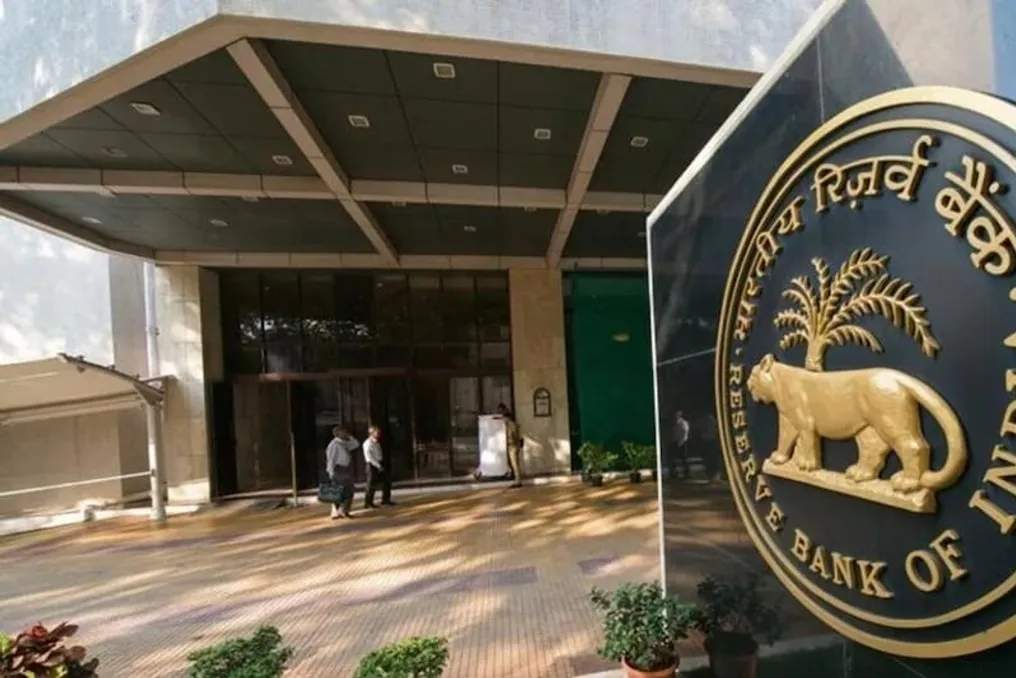
The Reserve Bank of India (RBI) may be forced to raise interest rates to control inflation, but too rapid an increase could put pressure on the country's economic growth rate. This is evidenced by the minutes of the Monetary Policy Committee (MPC) meeting held on Wednesday. This month, the RBI increased the repo rate for the first time in almost four years. Amid rising inflationary pressures, the question arises whether lending to the public will become more expensive in the coming months.
The RBI's Monetary Policy Committee unanimously raised the repo rate by 25 basis points this month, bringing it to 5.50%. Simultaneously, the central bank changed its monetary stance from neutral to 'calibrated tightening.' This indicates the possibility of taking further stringent measures to combat inflation, and the probability of interest rate cuts in the near future is decreasing.
The repo rate is the interest rate at which the RBI lends to banks. An increase in this rate can make borrowing more expensive for banks, which in turn will affect interest rates on home loans, auto loans, and other borrowings. However, the exact size and timing of rate changes for customers depend on the decisions of banks and lending conditions.
The RBI's main objective is to keep inflation under control. Rising crude oil prices amid the ongoing war in the Middle East and reduced rainfall during the monsoon season have intensified inflationary pressure on food commodities. This has caused concern among both the public and the central bank regarding its monetary policy. In September 2026, retail inflation in India reached 5.54%, exceeding market forecasts and approaching the upper limit of 6% set by the RBI.
The central bank forecasts an average inflation rate of 6% in the October-December quarter, and the overall forecast for the entire fiscal year was increased from 5% to 5.2%. According to the MPC minutes, many committee members expressed concern that inflationary pressures could spread to other sectors of the economy. They felt it necessary to take action before controlling price growth became difficult.
Deputy Governor of the RBI, Poonam Gupta, hinted at the need for further increases in policy interest rates to curb inflation. She emphasized the importance of timely action to prevent further growth in inflation expectations. MPC member Sougat Bhattacharya also argued for maintaining a tight monetary policy. However, he warned that too rapid an increase in interest rates could negatively affect the pace of economic development.
Indranil Bhattacharya, CEO of the RBI, supported an active stance in combating inflation. His view was that it is better to take measures promptly rather than waiting for additional signs of price increases.
Despite inflation concerns, not all MPC members agreed with an aggressive interest rate hike. Committee members Nagesh Kumar and Ram Singh opposed the decision to shift monetary policy from neutral to 'calibrated tightening.' Ram Singh warned that the change in policy stance could be perceived as a signal of prolonged high interest rates, although there are no apparent grounds for this at present.
He supported gradual and small rate increases as needed, rather than keeping them high for a long time. He believed that fears of aggressive rate hikes could weaken consumer demand, which might affect even sectors not directly dependent on interest rates. Thus, while stringent measures to curb inflation are necessary, the speed of their implementation must consider the impact on economic growth.
Interestingly, the RBI increased its projection for the country's economic growth simultaneously with rising inflation expectations. In its latest monetary policy review, the central bank raised the economic growth forecast for the current fiscal year by 40 basis points, bringing it to 7.1%. This suggests that the RBI expects strengthening economic activity but does not ignore the risks associated with rising inflation. Higher interest rates can increase the cost of borrowing and affect household and corporate spending and investment. On the other hand, if inflation remains high for a long time, people's purchasing power may weaken.
For ordinary citizens, this means that the repo rate is currently 5.50%, and the RBI's changed monetary stance has dampened hopes for a near-term rate cut. If the repo rate continues to rise, home and auto loans may become more expensive. However, the direct impact will depend on when and how much the RBI raises the rate, and how banks adjust their interest rates. Currently, the central bank faces a dual task: it needs to implement the necessary stringency to control inflation, but also ensure that interest rates do not...