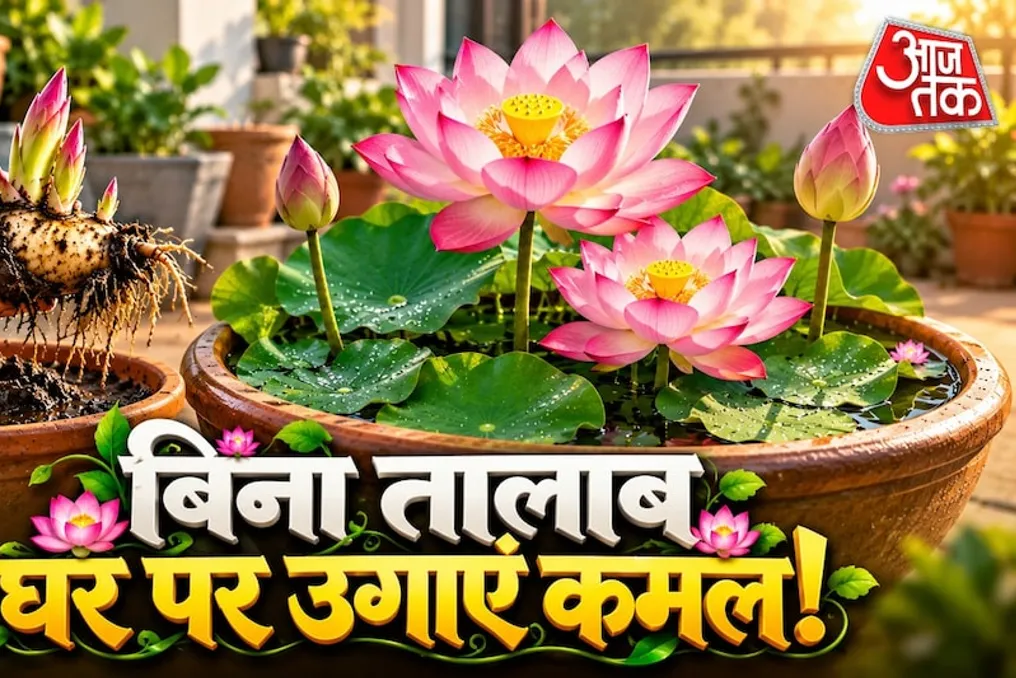
How to Grow Lotus at Home Without a Pond: Gardener's Tips for Diwali Blooming
Read more
Aaj Tak
www.aajtak.in

How to Grow Lotus at Home Without a Pond: Gardener's Tips for Diwali Blooming

In anticipation of the Diwali festival, when preparations are made for worshipping the goddess Lakshmi, there is often a need for flowers, especially lotus flowers, which are considered very beloved by the goddess. However, due to high demand during the festive season, the price of fresh lotuses in stores increases significantly. If you are tired of worrying about buying lotuses during Diwali, you can try growing them yourself in your garden, yard, or on your roof.

Growing a lotus does not require a large pond or a special location. It can be successfully cultivated in a large basin or pot, provided you know the correct planting and care method described by the gardening expert.

If you are just starting to grow lotus at home, it is better to use a healthy rhizome instead of seeds. Lotus seeds have a rather hard outer shell, which can slow down the germination process, and this requires knowledge of the correct methodology. Using a high-quality and healthy rhizome avoids the initial seed germination process.

When purchasing a rhizome, you should ensure that it is not spoiled or rotten. It is important to handle it carefully, as damage to the growing tip of the rhizome can negatively affect plant growth.

The lotus plant is not grown like other trees and plants. You need to choose a wide and deep basin or a large pot capable of holding a large amount of water. It is crucial that there are no drainage holes at the bottom of the pot, as this will allow water to remain around the plant's roots.

Place the pot in a location where the plant will receive at least six hours of direct sunlight daily. Insufficient sunlight leads to slowed plant growth and reduced flowering. Therefore, a roof, yard, or sunny spot in the house are good options.

Lotus requires soil that does not dissolve in water. For this, heavy and clayey soil can be used. According to the gardener, to prepare the soil, you should mix soil and vermicompost in equal proportions.

After that, fill the pot or basin with the mixture, and then gently place the rhizome in the soil. Avoid pressing the rhizome too hard and monitor the integrity of its growing tip. Then, slowly add water to the pot so that the soil stays in place and does not damage the rhizome.

Nutrients are necessary for the growth and blooming of the lotus. Although fertilizers can be applied, they should not simply be thrown into the water. According to the gardener's method, the fertilizer should be wrapped in fabric and pressed about one to two inches beneath the soil surface. This ensures the gradual release of nutrients into the soil.

However, the amount of fertilizer should be determined based on the plant's age, the type of fertilizer used, and the season. Excessive fertilization can degrade water quality and harm the plant.

After October, temperatures begin to drop, which can slow down lotus growth. During this period, frequent fertilization is not required; feeding should only occur after assessing the plant's condition and the weather.

Furthermore, it is necessary to ensure that rotting leaves or debris from other plants do not accumulate in the pot. This prevents water contamination and maintains plant health.

If spots appear on the lotus leaves or any leaf begins to rot, it should be removed. Also, regularly clean fallen leaves and other debris from the pot to keep the water clean. Instead of completely changing the water unnecessarily, control its condition. If the water becomes heavily contaminated, it needs to be cleaned, keeping in mind that the rhizome should not shift. It is also important to monitor that stagnant water does not become a breeding ground for mosquitoes.

Similar stories

Five fragrant climbing plants you can plant on the balcony to create a pleasant scent in the home
Read more
www.aajtak.in

Five fragrant climbing plants you can plant on the balcony to create a pleasant scent in the home

When a delicate floral aroma is felt in the house, it always lifts the spirits, regardless of whether it is a hot summer or a cold winter. This is why many people use air fresheners or expensive perfumes to make their living space fragrant. However, there is a way to turn the balcony into a source of fragrance, eliminating the need to constantly spray fresheners or buy decorative items.

Some types of flowering climbing plants are capable not only of decorating the home with their beauty but also of filling the surrounding space with a pleasant aroma. These plants can be grown in pots, trained along the railings, walls, or nets of the balcony. This approach allows for an increase in greenery even in a small space, turning the balcony into something resembling a beautiful garden. Below are five such fragrant climbing plants that will help naturally perfume your home.

When it comes to fragrant flowers, jasmine is often mentioned. The scent of jasmine flowers is loved by many. Its small white flowers are known for their fragrance. If you want your balcony to feature both greenery and floral scent, you can plant a jasmine vine. It can be grown in a pot and trained along a support or net.

For good growth, jasmine should be placed in a location that receives sufficient light. Water the plant as needed, and choose a pot with good drainage.

If you aim to decorate the balcony with colorful flowers, the Madumalați vine can be an excellent choice. This vine blooms in clusters of flowers that can be white, pink, and then dark red. These flowers emit a light sweet aroma, making the atmosphere around pleasant.

Madumalați is a fast-growing plant that can be trained on a sturdy support outdoors, on a roof, or on a balcony. Since it can grow vigorously, periodic pruning is necessary. If your balcony is small, ensure you allocate enough space for its growth before planting.

If you like the delicate scent of white flowers, magnolia might suit you. Its white flowers are very popular because of their fragrance. Double magnolias have many layers of petals, which makes them even more attractive externally.

A double magnolia can be placed in a pot on a balcony or roof. For good development and abundant flowering, it should be kept in a sunny spot. It is important not to allow waterlogging in the soil and to water regularly as needed. Proper care will allow the plant to flower well.

If you want to plant a climbing plant on the balcony that will provide both beautiful flowers and a sweet aroma, consider a honeybush. This vine bears tubular flowers. Some varieties of these flowers possess a sweet scent that can make the surroundings joyful.

The honeybush can be grown on a net or with the help of a sturdy support. Its shoots grow upwards, giving an green appearance to a bare wall or balcony railing.

If you wish to combine greenery with the beauty of pink flowers on the balcony, coral grape is suitable. This vine blooms with clusters of pink flowers. Its shoots can spread quickly and cover a net or railing, giving the balcony a picturesque look.

Growing coral grape requires a suitable location and a reliable support. Before planting, it is worth considering the ecology of your region and the potential growth of the plant. Regular pruning is also necessary so that the vine does not grow excessively. It should be remembered that its main feature is its colorful flowers and decorative appearance, while the aroma depends on the variety and the condition of the flowers.

How to Grow Moringa Tree (Sajen) at Home: Simple Planting and Care Guide
Read more
www.aajtak.in

How to Grow Moringa Tree (Sajen) at Home: Simple Planting and Care Guide

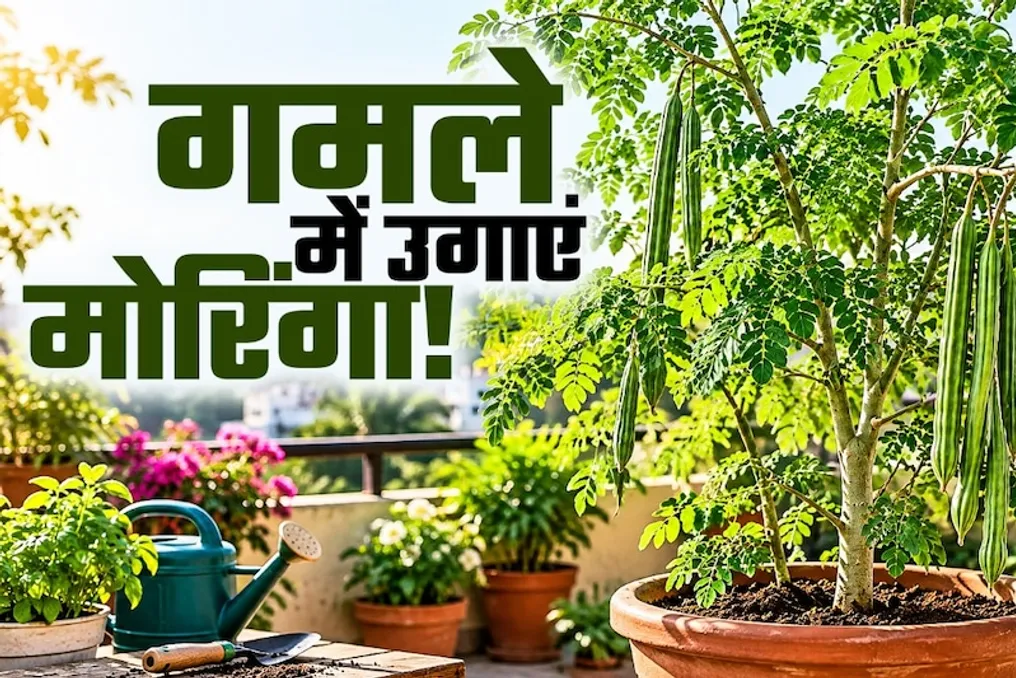
If you enjoy gardening on a balcony or rooftop, it is worth considering growing not only flowering plants but also those that can be useful in the kitchen. This refers to the Sajen tree, also known as Moringa or Drumstick, whose leaves and pods are edible. Although you may have tried dishes made from Sajen pods, many do not know that it can be successfully grown in a pot at home.

Growing the Sajen tree does not require a large farm or garden; it can be cultivated on a sunny roof or balcony. However, for the plant to grow well and bear fruit, a proper pot, soil, sufficient sunlight, and regular care are necessary. Below is the correct method for planting Moringa at home and important aspects of its care.

How to Grow Moringa:

Choosing the Right Pot

If you wish to plant Sajen at home, the first task is to choose the correct container. You must use a pot with a depth of at least 12 inches, as a larger and deeper pot better promotes free root development. It is important to ensure that there are drainage holes in the bottom of the pot so that water can flow out. Water stagnation in the pot can damage the plant's roots. Since the Sajen tree can become quite large, it should be placed in a location where it has enough space to grow.

Ensuring Adequate Sunlight Daily

For the good development of the Sajen plant, sunlight exposure is critical. It requires about 6–8 hours of direct sunlight daily. Therefore, the pot should be placed on a balcony, roof, or near a window that receives a lot of sun. If natural light indoors is insufficient, grow lights suitable for the plant's needs can be used. Good lighting promotes growth.

Mistake in Soil Selection

People often plant the plant but neglect the choice of soil. Sajen requires soil that ensures easy drainage. This can be achieved by adding some sand or perlite to standard potting mix. This approach reduces the likelihood of moisture buildup in the soil. The optimal pH level for the soil is considered to be 6–7. Water the plant only when the top layer of the soil begins to dry, avoiding overwatering.

Regular Pruning for Bushiness

As the Sajen tree grows, it can become tall. In such cases, periodic pruning is extremely important, especially when growing in a pot. Overly long or weak branches can be cut according to need. This helps shape the plant correctly and stimulates active new leaf growth. When pruning, use clean tools and do not remove too many branches at once.

Pest Control and Fertilization

It is necessary to regularly inspect the leaves and young shoots of the plant. Small insects, such as aphids, can appear on Sajen. If pests are noticed on the leaves, you should first try to remove them manually and clean the plant. If necessary, insecticidal soap can be used according to instructions. Additionally, fertilizers are needed to stimulate plant growth. A light dose of fertilizer can be applied every four weeks, strictly following the instructions on the package. Excessive fertilization should be avoided, as it can harm the plant.

What Are the Benefits of Growing Sajen at Home?

The specialty of the Sajen tree is that both its leaves and pods can be used in cooking. The leaves can be added to salads and other dishes, and delicious vegetable dishes can be made from the pods. Sajen leaves are a good source of nutrients.

Popular