Finance Minister Godongwana announces temporary measures to reduce fuel prices by R10 billion
Read more
IOL
iol.co.za

Finance Minister Godongwana announces temporary measures to reduce fuel prices by R10 billion

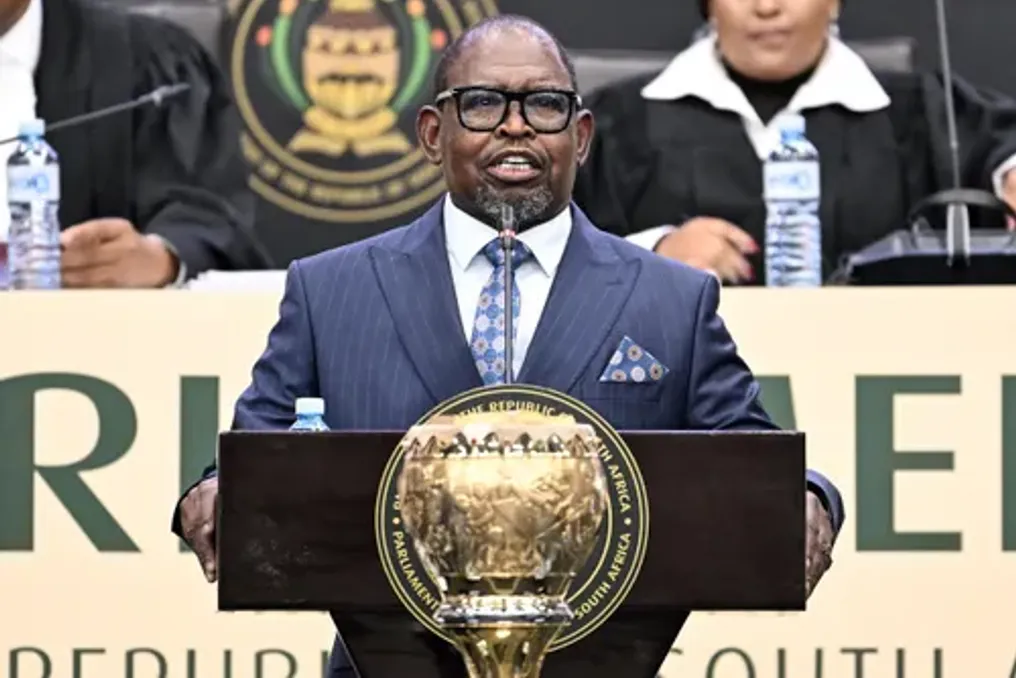
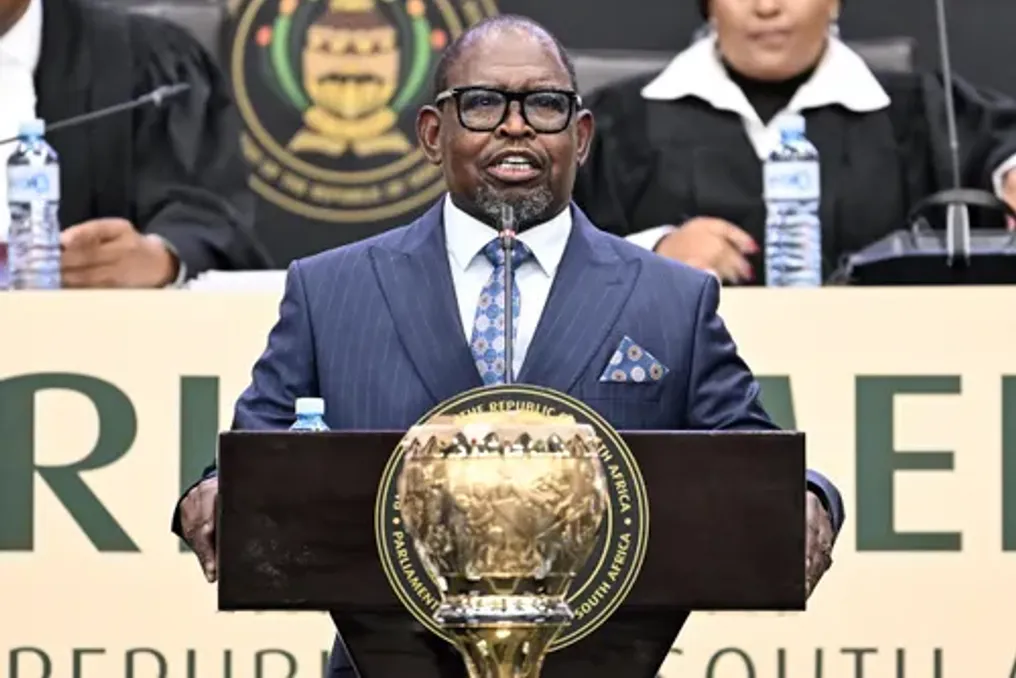
Finance Minister Enoch Godongwana announced the provision of temporary assistance amounting to R10 billion in the form of a reduction in the fuel levy. This measure is aimed at mitigating the effects of rising oil prices caused by the conflict in the Middle East and supporting households and businesses.

During the presentation of the Medium Term Budget Policy Statement for 2026 (MTBPS) in Parliament yesterday, Godongwana noted that the conflict has led to an increase in global oil prices, which has resulted in a sharp rise in the cost of living for the population and businesses.

He stated that thanks to the restoration of fiscal reserves, the government is in a stronger position to react, including the reintroduction of a temporary fuel levy reduction. The Minister informed parliamentarians that the National Treasury is aware of the pressure that rising fuel prices are putting on businesses and families.

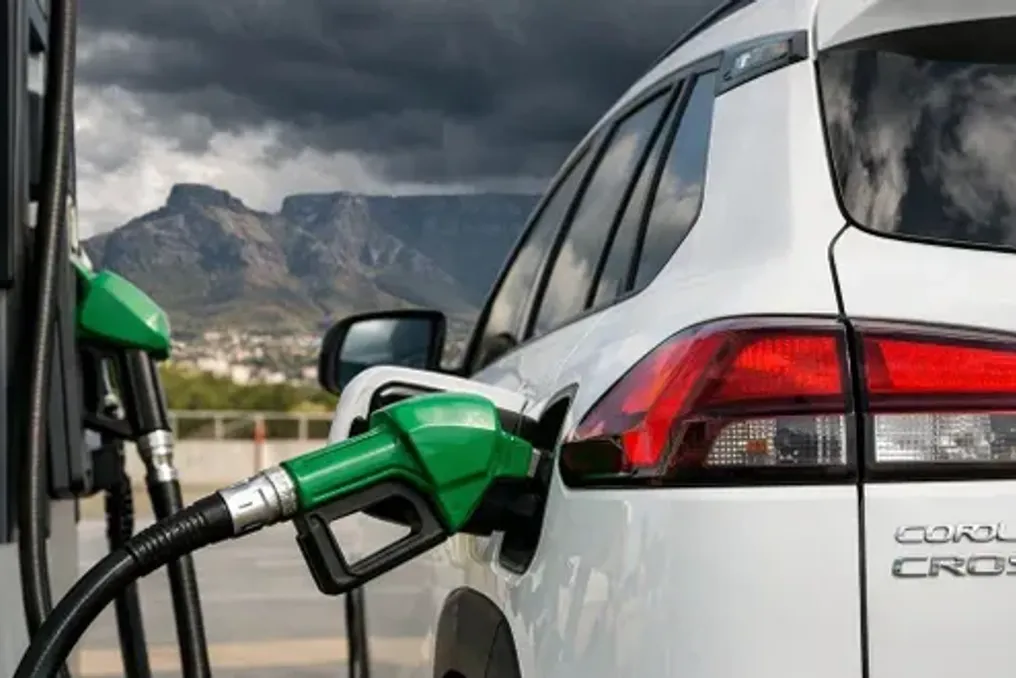
Godongwana announced a reduction in the fuel levy of R3 per litre of diesel and R1.50 per litre of petrol. These changes will take effect from November 4, 2026, and will last until December 1, 2026. Further assistance will be provided in a smaller amount until January 5, 2027.

The Minister clarified that these measures will provide support amounting to R10 billion, with the fiscal cost being R10 billion in lost revenue.

To finance this temporary support of R10 billion, which was transferred to the Central Energy Fund (CEF), it will be returned to the National Income Fund and placed in the Contingency Reserve. Director-General Duncan Peters explained that the origin of these R10 billion is related to the overspending of revenues for 2025/26, which was allocated in the Special Appropriation Bill for the CEF.

Peters explained that the CEF will receive these funds through the Special Appropriation Bill, return them to the National Income Fund, and then these R10 billion will be used to compensate for the costs of the fuel levy reduction.

As part of the MTBPS, Godongwana projected real economic growth at 1.2%, which is lower than the forecast of 1.6% made in February. However, growth is expected to reach 1.6% in 2027 and 2% by 2029.

The Minister added that gross tax revenue is projected to increase from R2.14 trillion in the current year to R2.53 trillion in 2029/30. Various funds were allocated through the Appropriation Bill: R6.2 billion for unforeseen and unavoidable expenses, mainly for disaster relief and rehabilitation.

Additionally, R823 million was allocated to SANDF for troop deployment to assist the police in combating crime, and R516 million for the Madlang, Hampepe, and Nkabinde inquiry commissions. Godongwana also mentioned that the Special Appropriation Bill includes funds for Parliament and for the continuation of medical services for South African Armed Forces veterans.

SARS will also receive allocations to strengthen tax collection measures. Within this corrective budget, R150 million has been allocated to improve the technical capabilities of the digital services unit for developing the MyMzansi application, which will allow citizens to access government services through a single digital platform. Furthermore, the Contingency Reserve will increase to R10 billion to respond to potential threats related to El Niño and other risks.

It was noted that projects valued at at least R20 billion are currently being assessed in the infrastructure budget fund. Godongwana also stated that next year the SAPS fleet will be modernized with R810 million, and R2.2 billion has been added to enhance the independence of the judicial system.

The MK party stated that the 1.6% growth forecast proved unrealistic, and that real economic growth was 1.1%. The party called this a 'heavy accusation against the management of our economy' and suggested that the fuel price assistance was announced in connection with local elections.

DA Finance representative Kingsley Wakelin welcomed the National Treasury's steps in the MTBPS, especially the commitment to the fiscal anchor, continued primary surplus growth, and debt stabilization for the first time in almost two decades. He emphasized that these are important steps towards restoring confidence in South Africa's public finances after the deterioration from 2008 to 2024, but noted that fiscal stability must be the foundation of economic growth, not the limit of government ambition.

ActionSA MP Alan Bisley expressed disappointment with Godongwana's announcement of short-term fuel price reduction measures, which are insufficiently effective to alleviate the devastating cost of living crisis and do not address the fundamental problems undermining the South African economy. He stated that the temporary fuel levy reduction of R10 billion, valid until January 2027, is grossly inadequate to solve the high fuel price problem, as these costs have led to increased prices for food, basic goods and services, as well as almost all transport-dependent sectors of the economy.
Similar stories

Finance Minister announces temporary reduction in fuel levy to ease drivers' burden
Read more
iol.co.za

Finance Minister announces temporary reduction in fuel levy to ease drivers' burden

Finance Minister Enoch Godongwana announced the provision of temporary assistance amounting to 10 billion rand through the reduction of the fuel levy to mitigate the impact on households and businesses caused by rising oil prices triggered by the Middle East conflict.

During the presentation of the Medium Term Budget Policy Statement for 2026 (MTBPS) in Parliament the day before, Godongwana noted that the conflict has led to increased global oil prices and a sharp rise in the cost of living for both businesses and the public.

He stated that due to the restoration of fiscal reserves, the government is in a stronger position to respond, including the possibility of reintroducing a temporary fuel levy concession. The Minister informed parliamentarians that the National Treasury is aware of the pressure that rising fuel prices are putting on the population and businesses.

Godongwana announced that from November 4, 2026, until December 1, 2026, the fuel levy will be reduced by 3 rand per litre of diesel and by 1.50 rand per litre of petrol. This support measure will remain at the reduced rate until January 5, 2027.

The Minister specified that these measures will provide support amounting to 10 billion rand, which will cost the budget 10 billion rand in lost revenue. He explained that to finance this temporary assistance of 10 billion rand transferred to the Central Energy Fund (CEF), it will be returned to the National Revenue Fund and directed to the Contingency Reserve.

Director-General Duncan Petersen explained that the origin of these 10 billion rand is related to the overspending of revenues for 2025/26, which were placed in the Special Appropriation Bill for distribution to the CEF. Petersen added that the CEF will receive these funds through this bill, return them to the National Revenue Fund, and then these 10 billion rand will be used to compensate for the costs of the fuel levy concession.

As part of his MTBPS, Godongwana projected real economic growth at 1.2%, which is lower than the forecast of 1.6% presented in February. However, growth is expected to reach 1.6% in 2027 and 2% by 2029. The Minister also reported that gross tax receipts are projected to increase from 2.14 trillion rand in the current year to 2.53 trillion rand in 2029/30.

Godongwana made a series of allocations through the Appropriation Bill, as well as allocations for the next three years. 6.2 billion rand was allocated for unforeseen and unavoidable expenses, mainly for disaster relief and rehabilitation. Additionally, 823 million rand was allocated for SANDF to deploy troops to assist the police in combating gang-related crime and illegal mining, and 516 million rand for the Madlanga, Hampepe, and Nkabinde inquiry commissions.

The Minister also mentioned that the Special Appropriation Bill includes allocations for Parliament and for the continuation of providing medical services to South African Armed Forces veterans. SARS will also receive allocations to strengthen tax collection measures. Within this corrective budget, 150 million rand was allocated to improve the technical capabilities of the digital services unit to develop the MyMzansi application, which will allow citizens to access government services through a single digital platform.

Godongwana also stated that the Contingency Reserve will increase to 10 billion rand to respond to potential threats related to El Niño and other risks. At least 20 billion rand has been reserved for infrastructure projects under evaluation in the infrastructure budget fund. Furthermore, next year, the SAPS fleet will be supplemented with 810 million rand, and 2.2 billion rand has been added to enhance the independence of the judicial system.

The MK party stated that the 1.6% growth forecast was unrealistic, and that real economic growth was 1.1%. The party called this a 'heavy accusation against the management of our economy' and noted that the fuel subsidy was conveniently announced before local elections.

DA Finance representative Kingsley Wakelin welcomed the steps taken by the National Treasury in the MTBPS, especially the commitment to the fiscal anchor, the continued growth of the primary surplus, and debt stabilization for the first time in almost two decades. However, Wakelin emphasized that fiscal stability must serve as the foundation for economic growth, not limit government ambitions.

ActionSA Member of Parliament Alan Bisley expressed disappointment with Godongwana's announcement of short-term fuel levy reduction measures, which are insufficiently effective to alleviate the devastating cost of living crisis and do not address the fundamental problems undermining the South African economy. He noted that the temporary fuel subsidy of 10 billion rand, expiring in January 2027, is extremely small to solve the high fuel price problem, as these costs have led to increases in food prices, basic goods and services, as well as in virtually all transport-dependent sectors of the economy.

Finance Minister Announces Temporary Fuel Tax Reduction Starting in November
Read more
iol.co.za

Finance Minister Announces Temporary Fuel Tax Reduction Starting in November

Residents of South Africa will receive the long-awaited reduction in fuel prices during November and December. During the presentation of the Medium-Term Budget Policy Statement on Wednesday, Finance Minister Enoch Godongwana announced a temporary decrease in the General Fuel Levy, which will take effect from November 4th.

During the period the measures are in effect, the discount on diesel fuel will be 3 rand per liter, and on petrol—1.50 rand. After December 1st, the discount amounts will change: the price for diesel fuel will be reduced to 1.50 rand per liter, and for petrol—to 1 rand per liter, and this will last until January 5, 2027.

The Minister stated that this support measure will cost 10 billion rand in lost revenue, which will be covered by returning funds transferred to the Central Energy Fund.

Popular