Amid global climate changes, concern is growing over the El Niño phenomenon. The coming months may be critical for India. Following the monsoon season, which saw a 13% decrease in precipitation compared to normal, the question arises whether El Niño could raise winter temperatures and put pressure on agriculture.
The World Meteorological Organization (WMO) has warned of a possible strengthening of El Niño until the end of 2026 and its influence persisting until 2027. El Niño is a seasonal phenomenon characterized by warmer sea surface temperatures in the central and eastern equatorial Pacific Ocean. This natural climate system affects winds, atmospheric activity, and precipitation distribution worldwide.
In India, particular attention is paid to El Niño because during this event, the risk of reduced rainfall in the southwest monsoon increases. Changes in Pacific Ocean temperatures disrupt the balance of winds and atmospheric conditions, weakening the monsoon and increasing the likelihood of prolonged drought in some regions. However, this does not mean that every part of India will experience a precipitation deficit every time; the impact depends on other seasonal factors and regional characteristics.
During the past monsoon season, uneven rainfall was observed in different parts of the country. In Central India, precipitation was almost normal, whereas Eastern and Northeastern India recorded a 26% drop below average, classified as an extreme drought situation. Southern Indian states experienced a 24% decrease in precipitation below the average. If El Niño intensifies, temperatures in some areas of India may exceed normal levels in the coming months, leading to increased strain on water reserves in reservoirs, irrigation, and agriculture.
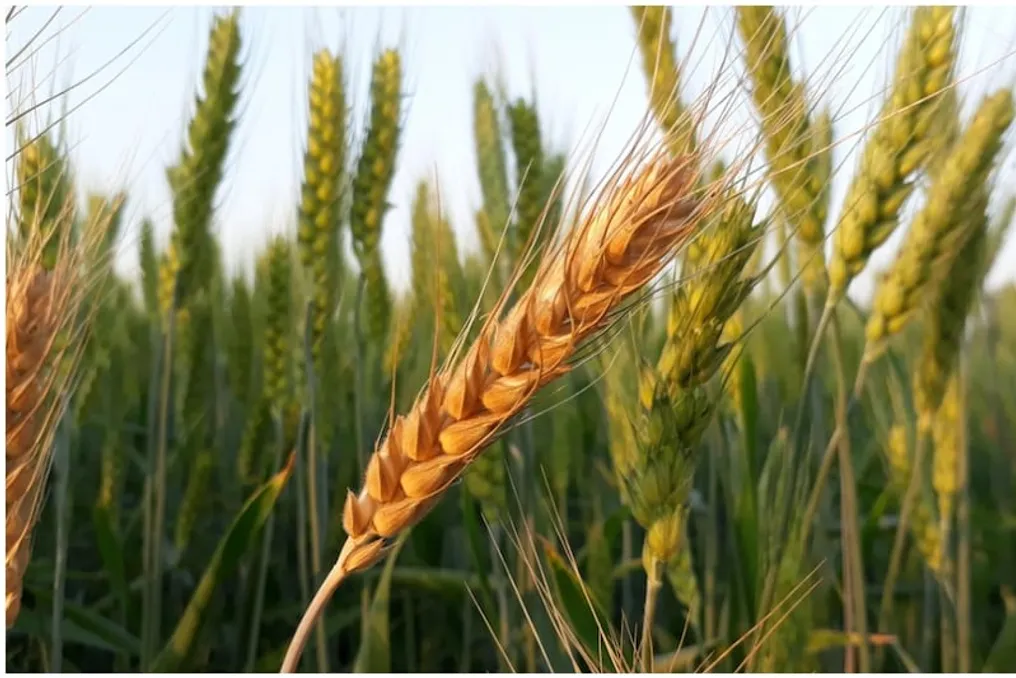
Referring to forecasts from the South Asian Climate Forum, the WMO noted that from October to December 2026, maximum and minimum temperatures across much of South Asia may remain at or above normal levels. For India, the wheat harvest is also a serious concern. A rapid rise in temperature late in winter can negatively affect wheat yield, especially during grain formation. Excessive heat at this time threatens to impact grain development and overall yield. The weather forecast for January and February 2027 will depend not only on El Niño but also on factors such as Western Disturbances.
The impact of El Niño is not limited to India; it causes changes in temperature, precipitation, and storm activity in many parts of the world. Indonesia is experiencing its worst period of forest fires since 2015. In Southeast Asia, the risk of wildfires and drought is increasing due to hot and dry conditions. Some parts of East Africa are expected to see heavy rains and flooding, while other regions face a risk of drought. Thus, the impact of El Niño is heterogeneous for each region.
The impact is also noticeable on storm activity. Storm activity has increased in the eastern Pacific, while strong high-altitude winds over the Atlantic Ocean weaken the process of storm development. Weather conditions in South America can also vary: some areas of the Amazon face the threat of drought and dryness, while southern areas are expected to have heavier rains and floods.
According to the WMO warning, El Niño may strengthen until the end of 2026 and maintain its influence until 2027. Therefore, it is crucial to monitor changes in India regarding temperature, precipitation, and agriculture. After a period of low rainfall, key issues will be the availability of water resources, irrigation of winter crops, and the wheat harvest. India's challenge is not only the intensification of El Niño but also how its consequences will manifest after the monsoon season with insufficient rainfall. The actual weather trajectory in the coming months will determine the extent of the impact on winter temperature, precipitation, and the agricultural sector.