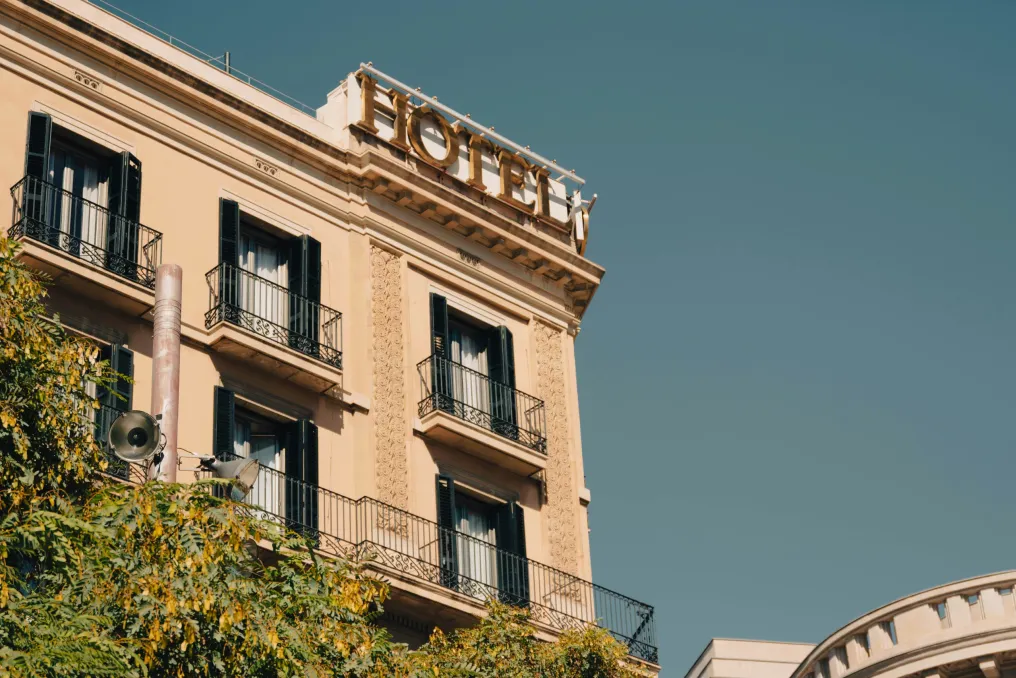
Historic European Hotels Allowing Guests to Immerse Themselves in the Atmosphere of the Past
Read more
Getaway
getaway.co.za

Historic European Hotels Allowing Guests to Immerse Themselves in the Atmosphere of the Past

Europe boasts numerous historic hotels that offer travelers more than just beautiful rooms; they allow guests to step into the histories that shaped these places. These hotels transport visitors back in time, whether it's a former pilgrim hospital in Spain or magnificent Venetian palaces.

Parador de Santiago de Compostela, located opposite the famous Cathedral of Santiago de Compostela, has been hosting guests since the 15th century. This hotel, also known as Hostal dos Reis Católicos, was commissioned by the Catholic monarchs of Spain as a hospital for pilgrims undertaking the Camino de Santiago. Its richly decorated facade, stone corridors, and four courtyards retain traces of its original purpose.

For pilgrims, staying here is a memorable way to mark the completion of the Camino, while for other visitors, it is an opportunity to experience a building shaped by centuries of travel.

Best suited for:

Camino pilgrims and travelers exploring Galicia.

The Gritti Palace, overlooking the Grand Canal, dates back to the 15th century and became the residence of Andrea Gritti, Doge of Venice, in 1525. It later opened as a hotel in the 19th century. Historical artwork, antiques, and architectural details reflect Venice's artistic past, while the canal outside reminds one of the waterway that made the city a major trading power. Returning to the former residence of the nobility after strolling through Venice's narrow streets adds another level of experience.

Best suited for:

Art lovers and unique urban retreats in Venice.

Ashford Castle is situated on the shores of Lake Corrib in the county of Mayo, with a history spanning over 800 years. The estate was later owned by the Guinness family before becoming a hotel. Today, guests can explore the surrounding forest, enjoy lake views, and engage in activities such as falconry, archery, and horseback riding. The castle's appeal lies in the combination of historical architecture and the Irish countryside beyond its walls.

Best suited for:

Castle stays and nature escapes.

Cliveden House, which overlooks the Thames in Berkshire, has hosted aristocrats and influential figures for centuries. Originally built in 1666 for George Villiers, the second Duke of Buckingham. After fires and renovations, the estate became associated with the Astor family and Britain's political and social elite. It is also linked to the Profumo scandal of the 1960s. Today, the hotel is located on 376 acres of National Trust land with gardens and forests. Guests can explore the grounds and admire the river view. Cliveden's history offers insight into the wealth, influence, and intrigue surrounding the tradition of country houses in Britain.

Best suited for:

Historic estates, gardens, and nature retreats near London.

Ritz Paris, opened in 1898 by Swiss hotelier César Ritz, helped redefine luxury hospitality. Early amenities included private bathrooms in rooms and electricity on every floor. The hotel attracted famous guests such as writer Marcel Proust and fashion designer Coco Chanel, becoming closely associated with Parisian high society. Following a massive renovation completed in 2016, the Ritz continues to blend modern amenities with historic charm. Its location on Place Vendôme also provides guests with easy access to the Louvre and the Tuileries Gardens.

Best suited for:

Parisian history, architecture, and classic urban leisure.

Hotel Danieli, located near St. Mark's Square, occupies historic palaces reflecting various periods of Venetian life. The main building, Palazzo Dandolo, dates back to the 14th century and was once the residence of the noble Dandolo family. Ornate staircases, marble details, and historical artwork preserve its palatial atmosphere. Outside, the lagoon and surrounding streets facilitate walking tours of Venice's attractions. A stay here offers a different perspective on the city, where history extends beyond the famous squares, into its canals, bridges, and quiet streets.

Best suited for:

Venetian architecture and exploring the historic center.

These hotels offer more than just a place to sleep; their walls reflect the people who lived there, the events they witnessed, and the changing role of historic buildings over time. For travelers, this history becomes part of the experience itself, and sometimes the place where you stay is remembered as much as the destination itself.
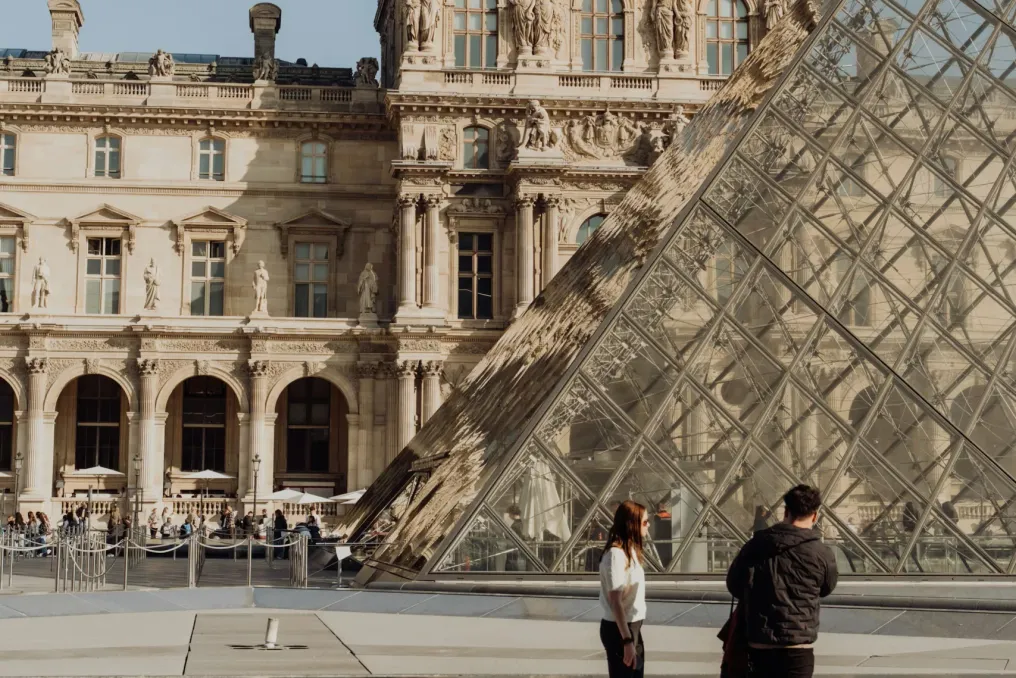
Similar stories

Louvre's Future Questioned Due to Security Issues and Building Condition
Read more
getaway.co.za

Louvre's Future Questioned Due to Security Issues and Building Condition

A year after the audacious robbery, in which priceless French royal jewels were stolen, the Louvre in Paris continues to work on eliminating serious shortcomings in its security system. Furthermore, the museum is facing growing concerns about aging buildings, and its director warns of the need for large-scale renovations to keep the attraction open to the public.

According to an IOL report, based on AFP dispatches, the theft that occurred on October 19, 2025, revealed significant weaknesses in the museum's security systems. These include outdated surveillance cameras, insufficient equipment, and the absence of a modern security control room. This incident has triggered investigations, intense government scrutiny, and reignited the debate over how France should protect one of its most important cultural landmarks.

The robbery shocked the international museum community. Thieves managed to steal eight items from the French royal jewels during a daylight raid, casting doubt on how such a renowned institution could be so successfully attacked.

The consequences of this event have proven complex for the museum. Investigations and official reports have highlighted long-standing security deficiencies, while criticism has intensified due to delays in implementing improvements. It is reported that before the robbery, the museum had spent only 3 million euros out of the 83 million euros allocated for the security plan. Administrative red tape and management decisions contributed to the slowdown in progress.

The fallout has also led to changes in leadership: former Louvre Director Laurence des Cars resigned in February 2026. He was succeeded by Christophe Leribault, who took on the task of strengthening security while overseeing broader museum issues.

For staff, this incident remains a painful period in the institution's history. Officials have acknowledged that restoring trust will require more than just installing additional cameras and equipment; fundamental changes in security priorities are necessary.

The Louvre has begun addressing some of the deficiencies identified after the theft. Under new management, the museum claims its security program is advancing, although carrying out major upgrades while simultaneously hosting visitors creates logistical difficulties. The institution has committed to investing approximately 20 million euros annually in security measures until 2032 and has appointed a dedicated Chief Security Officer to enhance oversight of operations.

However, the problem extends beyond protecting valuable works of art and historical objects. The museum occupies a vast historic palace, and modernizing its infrastructure without compromising its architectural heritage is a challenging task. For travelers planning a visit to Paris, these events serve as a reminder that even the world's most famous cultural monuments face practical difficulties behind the scenes.

Security is only one part of the Louvre's difficult situation. The building itself shows signs of wear: there are concerns about the deterioration of interior conditions, the aging of plumbing and electrical systems, as well as inadequate ventilation in summer and poor heating in winter. The museum receives nearly nine million visitors annually, placing significant strain on its facilities. Although visitors may come primarily to see masterpieces like the 'Mona Lisa', the scale of the institution requires substantial investment in maintaining galleries, services, and historical structures.

Leribault warned that the museum risks falling behind if it is not properly renovated and modernized, which could lead to potential closure. Such a scenario would have repercussions far beyond Paris, as the Louvre is a major magnet for international tourists and an integral part of France's cultural identity, making its long-term preservation a national priority.

The proposed transformation of the museum, named Louvre – Nouvelle Renaissance, was presented by French President Emmanuel Macron in January 2025. These plans include a new entrance and a special gallery for the 'Mona Lisa', as well as broader changes aimed at modernizing the visitor experience. The project is estimated to cost around 1 billion euros, representing a serious challenge amid budgetary pressures in France.

Not everyone supports the massive proposal. Critics, including trade union representatives, question whether ambitious architectural renovation should take precedence over more pressing needs, such as repairing existing premises and improving security. There are also concerns about visitor numbers. Since the Louvre already attracts millions of people annually, increasing capacity without adequately addressing overcrowding and infrastructure strain could create additional complications.

Leribault remains committed to the broader transformation, but securing the necessary funding will be a major undertaking. The museum is seeking private donors and sponsors, potentially offering public recognition and naming rights in exchange for donations. The possibility of increasing ticket prices has also been considered as a potential source of additional revenue. The target amount for private contributions is 360 million euros, though the director acknowledged the scale of this task.

For visitors, the Louvre remains one of Paris's iconic attractions, known for its extensive collections, historic architecture, and world-renowned works of art. However, last year's events highlighted the delicate balance between preserving a historical monument, protecting its collections, and ensuring a comfortable stay for millions of visitors.

The current work on security and the debates over renovation are not themselves proof of the museum's closure. Rather, they underscore the scale of investment and planning required for the institution to function for future generations. Anyone planning a trip to Paris should check the official Louvre website for the latest visitor information, visiting rules, and any notifications affecting access to specific galleries. The museum's immediate task is to restore trust after the robbery. Its long-term mission may be even greater: to ensure that the centuries-old palace can continue to welcome visitors safely, comfortably, and sustainably.

Popular