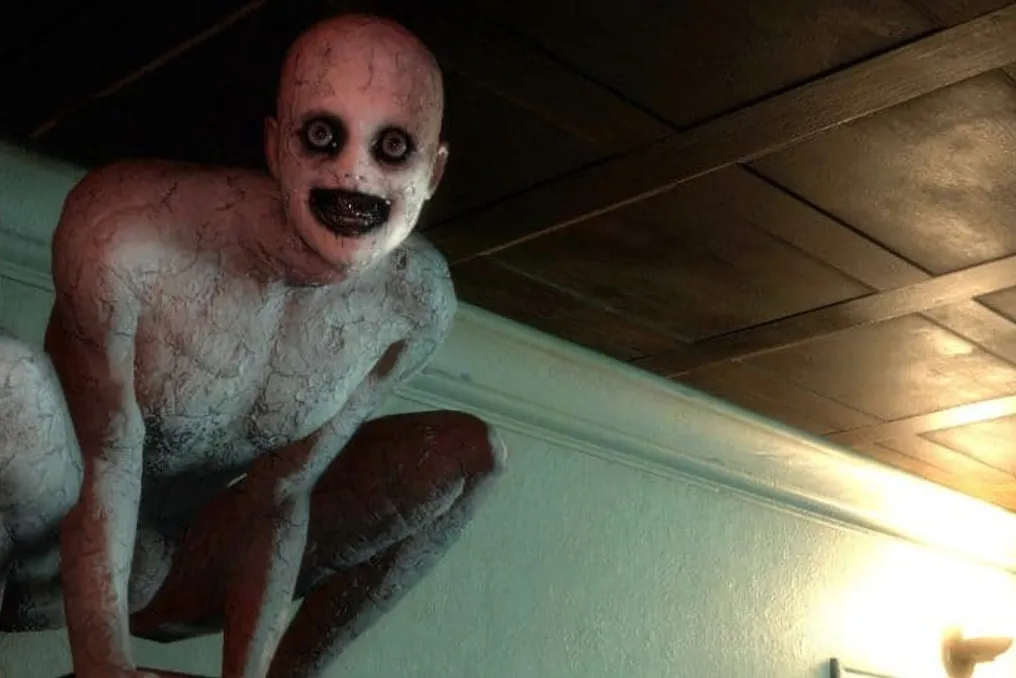
Common situations in horror games, such as walking through dark corridors, hearing unknown footsteps, or noticing a lack of ammunition against an adversary, transform the feeling of fear into a central element of the player's experience.
However, the question arises as to why many people voluntarily seek out games that generate scares and tension. The explanation lies in a combination of psychological aspects, physical responses, and inherent characteristics of video games.
Unlike movies, where the viewer merely observes the events, games place the user in control of decisions, elevating their degree of participation in risky scenarios.
One primary reason is the opportunity to experience fear in a controlled context. By playing titles like Resident Evil, Silent Hill, or Amnesia: The Dark Descent, the individual confronts threats without being subject to the real dangers displayed on screen.
This experience mixes tension with subsequent relief. The player may feel dread during a chase but also experience satisfaction upon escaping.
A scientific analysis published in 2019 in the journal Frontiers in Psychology indicates that suspense, the search for intense sensations, and relaxation after moments of threat are factors linked to interest in horror.
It is important to note that these reactions are not uniform among individuals; while some appreciate frightening experiences, others may find them uncomfortable.
Even knowing that the danger is not authentic, the body can respond to the threats presented by games. Possible physiological responses include increased heart rate, changes in breathing, muscle tension, and a heightened state of alertness. Such reactions are part of the biological defense mechanisms against situations perceived as dangerous.
Research conducted in 2022, focusing on immersive virtual reality experiences, detected physiological changes during moments of fear and frustration. However, this does not imply that all players exhibit the same responses, as intensity varies according to personal sensitivity and familiarity with the genre.
The fundamental distinction lies in the capacity for interaction. In a film, the viewer follows the danger but does not need to make decisions about how to escape. In video games, this responsibility is transferred to the player.
In Resident Evil 2, for example, encountering an enemy may force an immediate choice: use ammunition or flee to conserve resources. In Until Dawn, the choices made during the narrative can determine which characters survive.
Horror also employs elements such as restricted lighting, disturbing settings, and unexpected sounds to intensify tension. In Silent Hill 2, the fear is linked to psychological narrative and character conflicts, while Dead Space uses isolation and the setting of a spaceship to generate a continuous sense of threat.
Often, the anticipation of a scary event is as relevant as the scare itself. The genre has also gained traction among content creators and live streaming platforms. Games like Five Nights at Freddy’s, Phasmophobia, and Outlast create unpredictable situations, scares, and reactions that can be shared with the public.
In Phasmophobia, for instance, the interaction between players and the investigation of paranormal phenomena generates moments of cooperation, tension, and humor. Streams convert fear into a collective experience, allowing the audience to follow the decisions, anticipate scares, and react alongside the content creator. This dynamic helps explain why watching someone play horror can be as engaging as playing directly.
The impact of this experience depends on variables such as age, individual sensitivity, and content intensity. Although some people feel discomfort with frightening experiences, it cannot be concluded that violent games cause aggressive behavior. A study conducted by researchers at the University of Oxford in 2019 did not establish a link between engagement with violent games and aggression in adolescents analyzed. However, this research did not specifically focus on horror games.
There is insufficient evidence to claim that the genre reduces anxiety or improves emotional resilience. Interest in the genre is intrinsically linked to the combination of suspense, interactivity, and overcoming challenges. Many games put the player in a position of strength, but horror often reverses this: it limits resources, complicates confrontation with enemies, and creates scenarios where fleeing is the most viable option.
This vulnerability elevates the importance of small victories. Discovering an exit, solving a puzzle, or surviving a chase can provide a great sense of relief after periods of high tension. In summary, engagement in horror games transcends scares; it resides in the chance to face the unknown and overcome challenges within a fictional and safe environment.