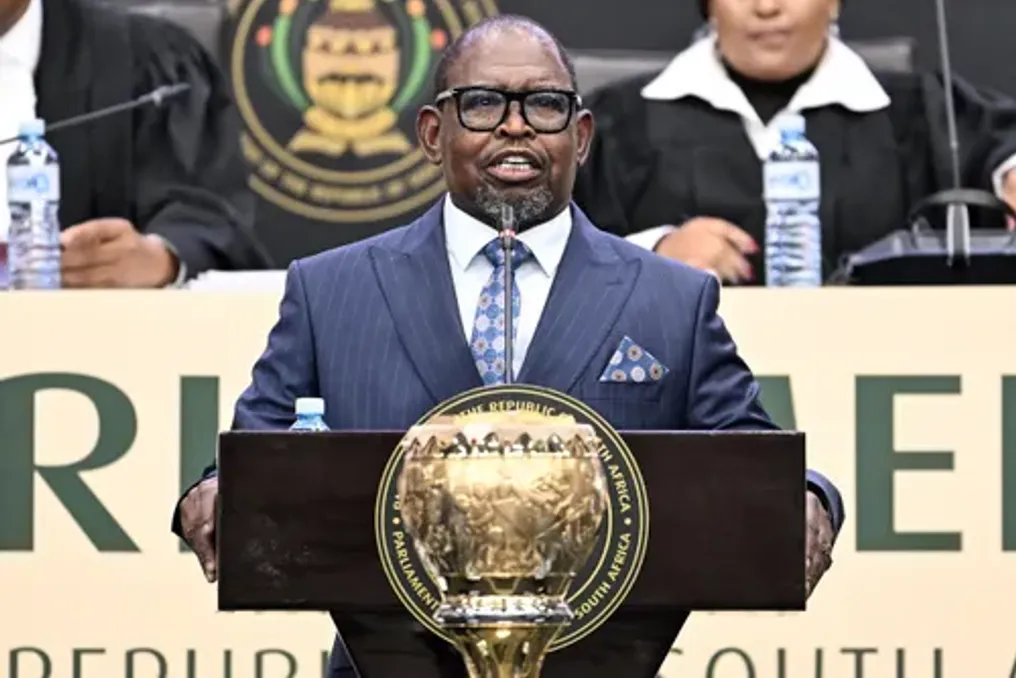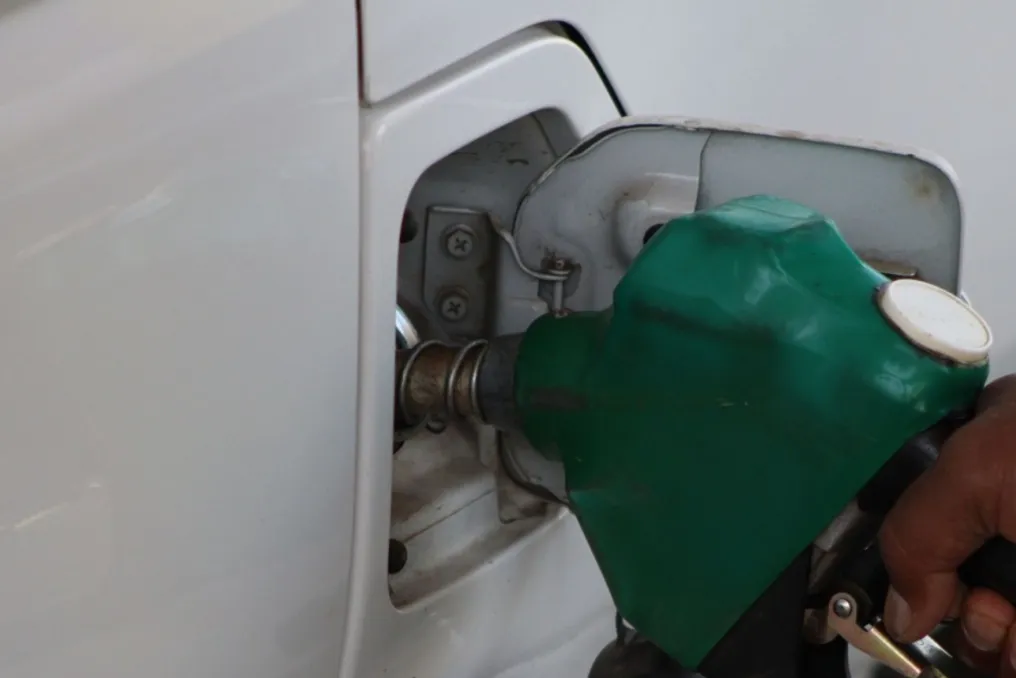
Minister Godongwana presented the budget, announcing cuts to fuel levies and a R10 billion reserve for El Niño
Read more
Food For Mzansi
foodformzansi.co.za

Minister Godongwana presented the budget, announcing cuts to fuel levies and a R10 billion reserve for El Niño

Finance Minister Enoch Godongwana stated that the protracted conflict in the Middle East, as well as El Niño and its likely impact on production costs and volumes, could further weaken domestic growth. He presented his medium-term budget to parliament in Cape Town, emphasizing that his department is moving towards improving the state's financial health.

To provide temporary relief, a reduction in the fuel levy was announced: the reduction will be R3 per liter for diesel and R1.50 per liter for petrol, effective from November 4 to December 1, 2026. After this period, the assistance will continue at a reduced level until January 5, 2027, when the levy on diesel will decrease by R1.50 per liter, and on petrol by R1 per liter.

These measures will provide support amounting to R10 billion, with a fiscal cost of R10 billion in lost revenue. To finance this aid, R10 billion transferred to the Central Energy Fund will be returned to the National Revenue Fund and placed into the Contingency Reserve. According to the minister, such intervention will help ease pressure on the cost of living without compromising budget sustainability.

Godongwana noted that the conflict in the Middle East led to the closure of the Strait of Hormuz, a vital route connecting oil suppliers to the world. He added that disruptions in global oil supplies caused a sharp rise in prices, especially for food and energy products.

The minister also announced an increase in the contingency reserve of R10 billion to respond to potential threats related to El Niño and other risks. He explained that the February budget included R5 billion, which has been exhausted, leading to concerns about the impact of El Niño, which is why R10 billion has been allocated for December and January to combat the effects of this phenomenon.

Furthermore, building on President Cyril Ramaphosa's announcement in 2025 during the State Address on hiring 10,000 employees for expansion, Godongwana reported the allocation of an additional R1.5 billion over the next three years to attract more expansion staff in the agricultural sector, who will continue to provide crucial support to farming communities.

Addressing the issue of aging infrastructure, particularly in the water sector, Godongwana pointed out that poorly maintained infrastructure, high water losses, and weak municipal capacity have undermined the quality of service delivery. He noted that too many households and businesses still face unreliable water supply.

The government's response through the National Water Action Plan focuses not only on infrastructure but also on reforming the institutions responsible for providing water services. Priorities include restoring operational efficiency, strengthening governance and technical competence, reducing water losses, improving revenue collection, and reforming the financing model for water infrastructure.

Godongwana emphasized that by addressing both infrastructural and institutional weaknesses, the government is laying the foundation for reliable water services and a stronger local economy. He stated that infrastructure serves as a catalyst for economic growth and remains central to the government's reform agenda. Furthermore, every rand spent must yield greater economic impact, attract private investment, and improve the quality of life for South Africans.
Similar stories

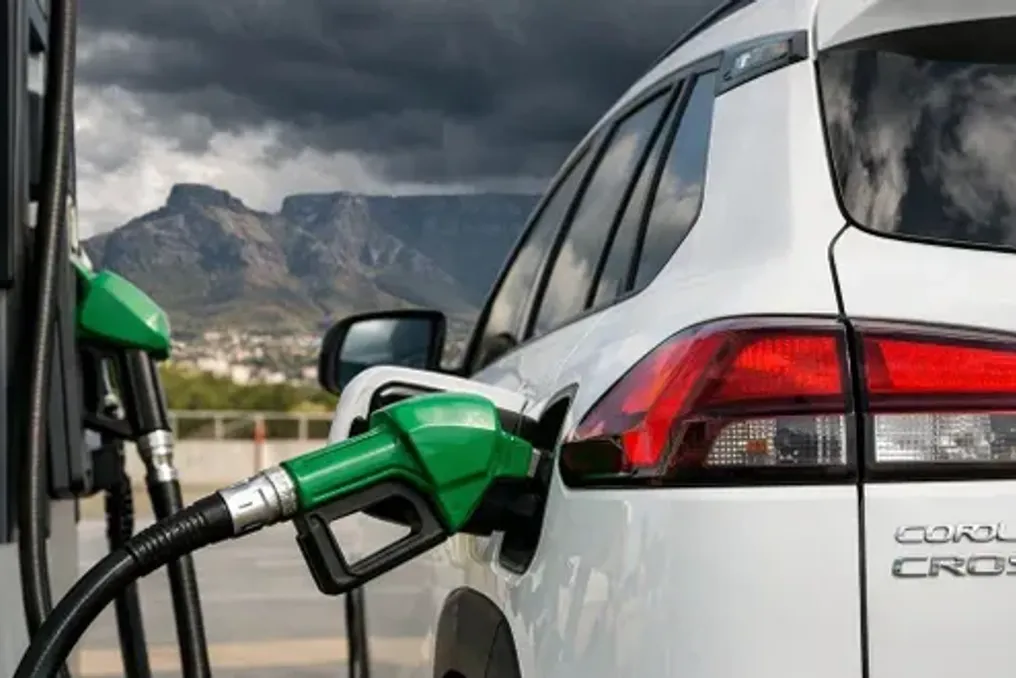
Finance Minister Announces Temporary Fuel Tax Reduction Starting in November
Read more
iol.co.za

Finance Minister Announces Temporary Fuel Tax Reduction Starting in November

Residents of South Africa will receive the long-awaited reduction in fuel prices during November and December. During the presentation of the Medium-Term Budget Policy Statement on Wednesday, Finance Minister Enoch Godongwana announced a temporary decrease in the General Fuel Levy, which will take effect from November 4th.

During the period the measures are in effect, the discount on diesel fuel will be 3 rand per liter, and on petrol—1.50 rand. After December 1st, the discount amounts will change: the price for diesel fuel will be reduced to 1.50 rand per liter, and for petrol—to 1 rand per liter, and this will last until January 5, 2027.

The Minister stated that this support measure will cost 10 billion rand in lost revenue, which will be covered by returning funds transferred to the Central Energy Fund.

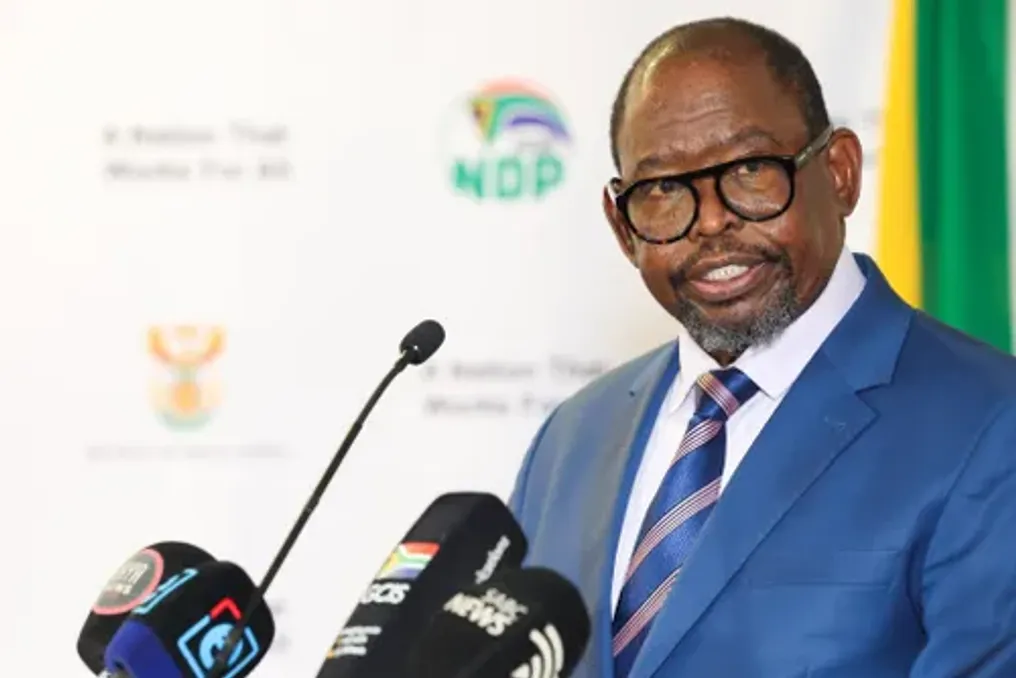
South Africa's economic problems call into question Godongwana's mini-budget
Read more
iol.co.za

South Africa's economic problems call into question Godongwana's mini-budget

The unfavorable economic situation in South Africa, characterized by weak growth, increasing national debt, and rising pressure on the cost of living, will be under close scrutiny during Finance Minister Enoch Godongwana's presentation of the Medium-Term Budget Policy Statement (MTBPS) today. This comes against a backdrop of public demands for increased investment, improved public spending, and assistance for struggling households.

According to the Presidential office, President Cyril Ramaphosa is also expected to attend Parliament to present the MTBPS. Godongwana will present the National Treasury's economic outlook, government priorities, and plans for revenue and expenditure over the next three years, thereby setting the direction for the next national budget.

Presenting the economic assessment ahead of the statement, Siseko Maposa, director of the consulting firm Surgetower Associates Management Consultancy, warned that the government can no longer hide the country's deep economic problems behind optimistic promises. In his view, the 2026 MTBPS is unlikely to conceal the serious structural crises facing the country, despite eloquent rhetoric, as was the case in previous cycles.

Maposa pointed to persistently low growth, high national debt, and a population growing faster than the economy as key issues. He estimated the national debt at between 77.5% and 78.5% of GDP and noted that transport and logistics disruptions, along with global energy shocks driving up fuel prices, have intensified pressure on households.

Maposa also cautioned that simply cutting spending will not solve the country's economic problems, as debt servicing consumes a significant portion of government revenue. He stated that 'defensive austerity alone will not save the fiscal structure.' Instead, Maposa advocated for targeted investments in infrastructure and logistics, arguing that these sectors can stimulate economic activity, boost productivity, and help pull the economy out of stagnation.

The question of whether the government's efforts to control debt are making tangible progress is also a point of criticism from the EFF, which disputes the focus on achieving a primary budget surplus. The 2026 budget projected a primary surplus of 0.9% of GDP in 2025/26, expected to rise to 1.6% in 2026/27 and 2.3% by 2028/29. The government also forecasts debt stabilization at 78.9% of GDP. A primary surplus occurs when government revenues exceed expenditures, excluding interest payments on debt, which the Treasury believes helps reduce borrowing needs and interest costs.

However, the EFF argued that improving these figures is insignificant if unemployment remains high and people continue to struggle to access basic services. The party stated: 'Celebrating a surplus while unemployment rises is celebrating the wrong balance sheet.'

Beyond debates over debt and spending, the government is also facing calls for immediate assistance to households grappling with rising transport and food prices. Dr. Mmusisi Maimane, leader of Build One South Africa (BOSA), called for a temporary reduction in the general fuel levy, arguing that high fuel prices place additional pressure on consumers. Maimane insisted that a special allocation of 10 billion rand intended for fuel assistance be used to reduce the levy by 3 cents per liter in November. BOSA also demanded an investigation into the road insurance fund component within the fuel levy, expressing concern over the efficiency and management of this fund.

Fiscal policy is also being criticized for its role in addressing social problems related to harmful alcohol consumption. Kashefa Anser, project lead for the Rethink Your Drink campaign aimed at reducing alcohol harm from the DG Murray Trust, wants the MTBPS to clarify whether the government intends to implement a Minimum Unit Price (MUP). This policy would set a minimum price for a standard drink, making cheap hard liquor less accessible, especially to heavy consumers. Anser noted: 'These events show that the government understands that pricing and packaging sizes influence consumption patterns, and if we want to tackle alcohol harm, we must prevent excessive consumption.'

The campaign advocates for introducing MUP alongside changes to alcohol excise duties, not instead of them. Anser emphasized: 'MUP gives the government another lever to reduce harmful consumption without relying solely on tax increases. But it is not a replacement. If excise duties are reformed, MUP must accompany them. The strongest approach is to use both tools together.'

Cosatu party committee coordinator Matthew Parks stated that workers are besieged because 'unemployment is rising to dangerously high levels at 43.8%, the economy continues to develop sluggishly with an anemic growth of 1.2%, and working communities suffer from poverty, inequality, crime, and corruption.' He added: '2026 was particularly difficult due to the war in the Middle East, which led to a sharp rise in oil prices, hitting South Africa with gasoline prices increasing by more than 25% and diesel by 50%. This triggered inflation, caused two repo rate hikes, and pushed workers into even greater destitution.'

Finance Minister Godongwana under pressure over fuel costs and government spending
Read more
iol.co.za

Finance Minister Godongwana under pressure over fuel costs and government spending

Finance Minister Enoch Godongwana is facing increasing pressure amid the presentation of the Medium-Term Budget Policy Statement (MTBPS), as he is expected to take steps to cut spending and propose solutions to combat rising fuel prices.

Godongwana must present plans for public expenditure, revenue forecasts, and public financial management for the next three years. However, the Cosatu union stated that workers are in a difficult position due to youth unemployment at 48% and economic growth of only 1.2%. Parliamentary Coordinator Matthew Parks emphasized that today's MTBPS cannot be routine.

Parks stated: 'The government must demonstrate a decisive shift to stimulate growth, restore public and municipal services, assist workers and the poor, and instill hope in the nation. It is time to stop proven and unsuccessful neoliberal austerity policies that have undermined growth. Now we must invest to develop the economy and solve the unemployment problem.'

DA prioritizes debt reduction and accountability

DA's finance representative Kingsley Wakelin noted that today's MTBPS will show how seriously the government is committed to fixing public finances. He insisted on the need to improve spending, accelerate reforms, and increase accountability.

Wakelin stated that the government must stabilize debt, spend money on necessary things, and accelerate reforms. He added: 'The government must fulfill its obligations to stabilize debt and increase the primary surplus. This year, South Africa will spend R432.4 billion servicing its debt. This is money that could go to schools, clinics, police, and roads.'

Wakelin also reported that tax collection is expected to exceed February estimates. He stressed: 'This money should not be locked up in new recurrent expenditures. Debt must be paid down and growth supported first.'

Parties demand fuel price relief and anti-smuggling measures

ActionSA MP Alan Bisley stated that his party expects Godongwana to develop immediate assistance for South Africans facing rising fuel prices and the cost of living. Bisley noted that the government must act, recognizing that rising fuel prices lead to increased food prices, basic goods, services, and virtually the entire transport-dependent economy.

He also pointed out that given strong SARS revenue collection above targets, largely due to expanded capabilities, the government has a strong opportunity to provide significant relief through fuel levies without compromising fiscal targets. Bisley called on Godongwana to tackle the illegal economy.

Bisley demanded that the minister announce a three-year moratorium on increasing excise duties on these goods above the inflation rate to provide greater certainty for legitimate businesses, protect jobs, and help curb the growth of the dangerous black market. He also noted that combating the illegal economy would expand the tax base by moving economic activity into the formal sector and recovering revenue lost to the treasury.

Bisley concluded that combining fuel levy relief with decisive action against illegal trade would mitigate the cost of living crisis, strengthen revenue collection, and support economic growth. He added that support for ActionSA's corrective budget would depend entirely on the willingness of the National Unity Government to provide urgent aid to needy South Africans and take action against the illegal economy. 'We cannot support a budget that requires South Africans to bear most of the burden while the government fails to address the fundamental issues constraining our economy.'

Build One South Africa MP Nobuntu Khlazo-Webster proposed that Godongwana cut the VIP budget by 20% and redirect those funds to strengthening local police forces. Khlazo-Webster stated that the MTBPS is an opportunity to strengthen parliamentary power to block wasteful expenditure before it occurs.

Popular