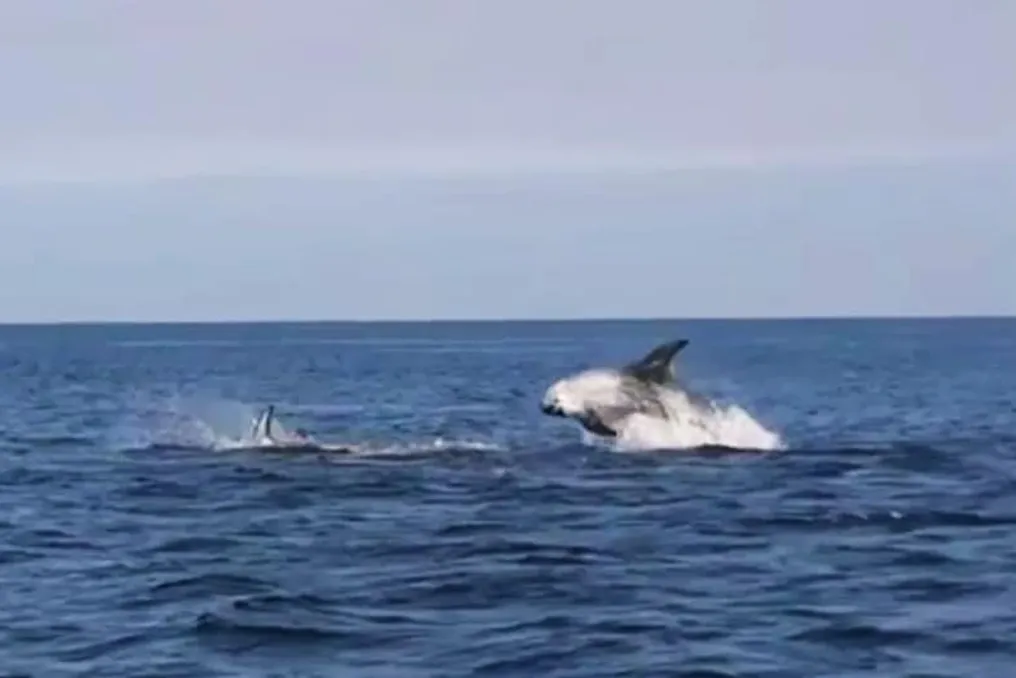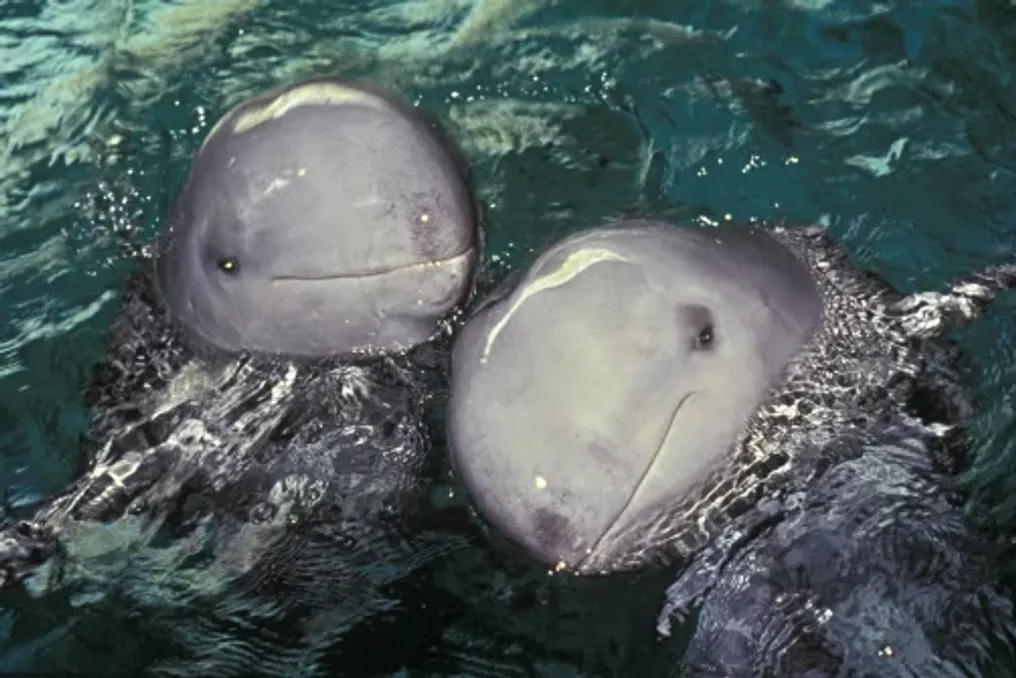
The birth of six new Irrawaddy dolphin calves has been recorded in Cambodia, which are endangered. This event has raised the estimated population size of this critically endangered species to 118 individuals, offering a ray of hope for one of the most vulnerable species of the Mekong River.
According to Mongabay data, these calves were born along a 120-kilometer stretch of the Mekong River in the northeastern provinces of Kratie and Stung Treng. While these births instill optimism in conservation efforts, the aquatic dolphins continue to face serious threats.
Irrawaddy dolphins (Orcaella brevirostris) hold cultural significance in both Cambodia and neighboring Laos, where some communities consider them sacred animals connected to the river's ancestral spirit. In addition to their cultural importance, these animals support the local way of life through ecotourism, attracting visitors to coastal settlements eager to see these distinctive, round-headed mammals.
In the Kampi dolphin basin in Kratie, boat operators assist tourists in observing the animals in a protected section of the river. Ian Baird, a professor of geography from the University of Wisconsin-Madison, told Mongabay: 'They are a source of national and local pride for Cambodia,' adding that the dolphins could stimulate more active action to protect the Mekong and its tributaries from the consequences of future dams.
Despite the recent births, the Irrawaddy dolphin population in Cambodia remains significantly below the estimates of approximately 200 individuals recorded in the late 1990s. The main threats to their survival remain electrofishing, habitat degradation, and entanglement in fishing nets. Young dolphins are particularly vulnerable to nets, which can trap the animals and prevent them from surfacing to breathe.
Changes in the natural flow of the Mekong also pose problems. Over 160 dams operating in the wider Mekong basin have altered the river's hydrology and affected fish communities, potentially reducing the availability of food sources for dolphins.
The loss of individual dolphins carries consequences beyond nature conservation. In 2022, the last known dolphin in the Anlong Kheu Til basin, near the Cambodia-Laos border, died after getting caught in a fishing net. According to Mongabay, this loss also negatively impacted tourism in the region.
Conservation efforts largely depend on local communities and river ranger patrols, who monitor protected habitats, track dolphin populations, and work to prevent illegal fishing. However, these efforts face significant challenges. River rangers often operate with limited resources and are at risk when encountering illegal fishermen, some of whom are armed. Mongabay reported that rangers receive between $5 and $7.50 per day.
Despite the modest pay, community members continue to play a crucial role in protecting the animals and the river ecosystem upon which they depend. In 2014, the Cambodian Fisheries Administration and WWF-Cambodia launched an initiative aimed at balancing dolphin conservation with the livelihoods of local fishing communities.
Although nets are still used on a limited scale in protected areas, conservation officials note that joint actions have helped improve the outlook for the population. Six new calves are an encouraging moment, but their survival will depend on sustainable conservation measures, safer fishing practices, and the protection of remaining freshwater habitats of the Mekong.
For residents along the river, dolphins represent more than just a rare wildlife sighting; they are part of the region's cultural identity, a magnet for tourists, and a reminder of the ecological importance of one of Southeast Asia's great rivers. The recent births indicate a possibility of recovery, but ensuring the survival of the next generation will require continuous cooperation between conservation authorities, local communities, and those responsible for managing the Mekong.