Pangolin Rocky shows encouraging signs after prolonged intensive treatment
Read more
Getaway
getaway.co.za

Pangolin Rocky shows encouraging signs after prolonged intensive treatment

Rocky, a critically ill pangolin receiving treatment at the Johannesburg Wildlife Veterinary Hospital, has shown small but encouraging progress in key blood tests after several weeks of intensive veterinary care.

In an update published on October 19, the Johannesburg Wildlife Veterinary Hospital reported that Rocky's albumin level increased from 16 g/L to 19 g/L. This protein is vital for transporting substances throughout the body and maintaining fluid balance in the bloodstream.

Although the reading remains dangerously low, the hospital characterized this change as a reason for cautious optimism, according to Joburg Etc. The hospital noted: 'It is still too low. It is still a very sick pangolin. But the upward trend gives us hope.'

Rocky arrived in late September with deep, infected wounds and the devastating consequences of prolonged starvation. Veterinarians suspect he went without food for over three weeks, existing in his own urine and feces.

Additional Information

Rocky's treatment included daily tube feeding, meticulous wound care, medication, supplements, and regular blood tests. CT scans revealed a large, deep abscess in his tail, and echocardiography helped the team assess his heart function.

Rocky required a blood transfusion, and the hospital expressed gratitude to the Umoya Hula Wildlife Centre for assisting in obtaining blood from a healthy pangolin donor.

The veterinary team relied on research, specialist consultations, and nearly a decade of experience treating pangolins to guide his care. The hospital explained that albumin levels are assessed alongside other recovery indicators, including wound healing, stable weight gain, self-feeding ability, and overall health, before the pangolin can be released.

The hospital also acknowledged the emotional toll of treating such a severely ill animal, describing late nights spent exploring treatment options and working on potential complications.

Despite the encouraging progress, Rocky's recovery remains uncertain, and he is still in danger. The hospital stated: 'But today we can see a little sunshine through the trees.' For now, every small improvement provides a reason to continue the fight for the vulnerable pangolin.
Similar stories

Expert explains whether to rinse eyes with water or use drops when experiencing burning and itching
Read more
www.aajtak.in

Expert explains whether to rinse eyes with water or use drops when experiencing burning and itching

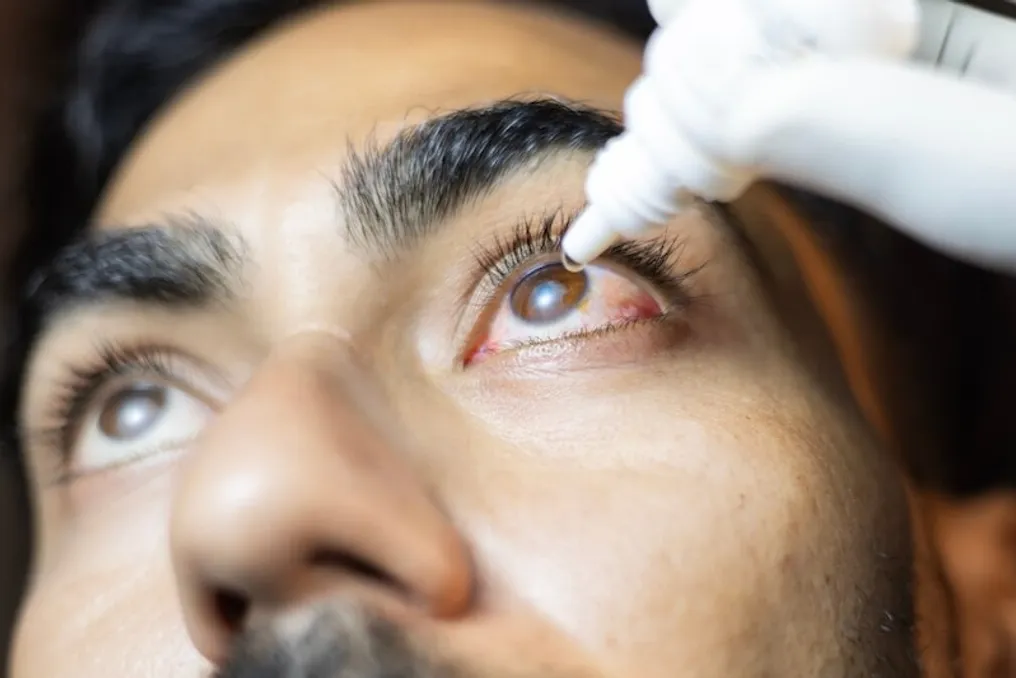
Due to increased air pollution levels and changing weather in Delhi-NCR, some people are experiencing symptoms of burning and itching in their eyes. This raises the question of which method—rinsing with water or using eye drops—is correct. A medical specialist provided clarification on this matter.

What is better to do for eye irritation—frequent rinsing with water or applying drops—depends on the underlying cause of the burning. Burning can occur due to dust, smoke, allergies, prolonged computer or mobile phone use, or dry eyes. In such cases, it is not recommended to constantly wash the eyes with water.

A thin layer of tear film covers our eyes, which maintains moisture and protects the eyes from external particles such as dust. Excessive exposure to water can temporarily disrupt the balance of this film.

Dr. Prarna Anand, Senior Consultant at I Care Metro Hospitals, commented on this situation. She noted that if the burning is caused by dryness, moisturizing drops, known as artificial tears, can be used, but only after consulting a doctor. These drops help maintain moisture in the eyes.

However, not all types of irritation respond to the same drops. It is crucial not to use antibiotic or steroid drops without a doctor's prescription. Furthermore, frequent use of drops intended to reduce redness can also be harmful.

If dust gets into the eye, it can be gently rinsed with clean water. Nevertheless, there are symptoms where self-treatment should not be attempted.

It is necessary to consult a doctor immediately without using drops independently if you experience severe eye pain, excessive redness, vision problems, blurred vision, or discharge from the eye. In such cases, professional medical assistance is required.

Spread of Ebola beyond borders raises concerns about outbreak expansion
Read more
cgtn.com

Spread of Ebola beyond borders raises concerns about outbreak expansion

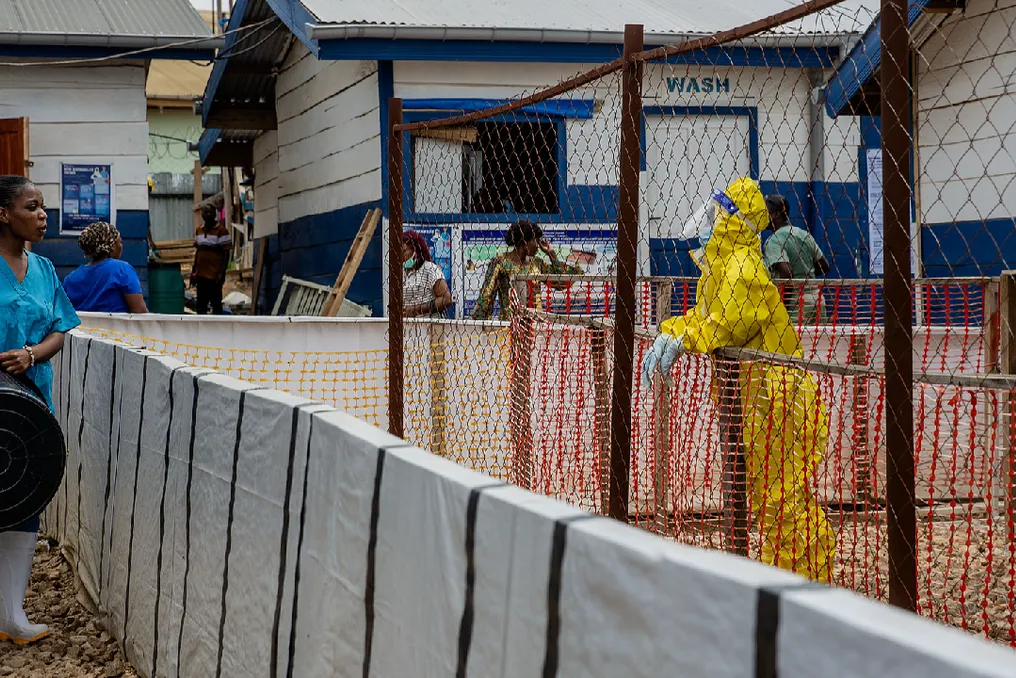
The World Health Organization (WHO) warned in its latest situation report, published on Wednesday, that the Ebola virus outbreak, which has already claimed over 4,600 lives, is complicated by the spread of the virus to other African countries, while cases in the Democratic Republic of Congo (DRC) have recovered after a brief decline.

The WHO Regional Office for Africa noted that 'the seven-day average indicates a moderate upward trend, suggesting a resumption of increasing transmission,' emphasizing the 'expansion of the international dimension of the outbreak and growing complexity.'

According to the report, 1,466 confirmed cases were registered in the DRC between September 29 and October 19, which is 10.4% more than in the previous 21-day period. Meanwhile, the number of confirmed deaths increased by 7.5%, reaching 692 cases.

As of October 19, 9,637 confirmed cases and 4,646 deaths were recorded in eight of the 26 provinces of the DRC.

Meanwhile, the international spread of the outbreak has added a new level of complexity to containment efforts. Nine confirmed cases, including one death, were reported in Kenya; all eight secondary infections are linked to an imported case and were found among individuals under quarantine, according to the WHO.

Nigeria confirmed its first Ebola case on Tuesday, linked to a woman who had traveled from Uganda earlier this month. Uganda intensified Ebola screening at Entebbe International Airport following reports that the woman had transited through the airport in early October.

The WHO warned that the long interval between symptom onset and laboratory confirmation raises concerns about 'potentially undetected contacts and secondary transmission.'

The Africa Centres for Disease Control and Prevention (Africa CDC) warned on Tuesday that the outbreak has become the most geographically extensive Ebola epidemic in history, with reports of infections in Central, East, and West Africa. The Director General of Africa CDC, Jane Kasye, called for greater global solidarity and international support to prevent further transmission.

In its latest assessment, the WHO stated that the outbreak remains at a 'critical point,' warning that increased instability, population displacement, and limited humanitarian access in the DRC 'further complicate response operations and increase the risk of undetected transmission.'

Uganda reports no active Ebola cases after patient transit from Nigeria
Read more
cgtn.com

Uganda reports no active Ebola cases after patient transit from Nigeria

The Ugandan Ministry of Health announced that there are no confirmed active cases of Ebola in the country following the transit of a woman from Nigeria who tested positive for the virus earlier this month.

In a statement released on Tuesday, the ministry specified that this woman had visited the Democratic Republic of Congo in eastern DRC for business before transiting through Uganda in early October. Her symptoms only appeared after arriving in Nigeria.

The ministry cautioned against assumptions linking the infection to the woman's transit through Uganda, emphasizing that an investigation is ongoing to determine where she may have been infected with the virus. The ministry stated: 'Transit through Uganda does not mean that the infection occurred here.'

Ugandan health authorities reported that they are awaiting detailed information from their counterparts in Nigeria regarding the woman's travel route and clinical history to decide if further testing and contact tracing are required.

Uganda stated that it is strengthening public health measures and screening at entry points in coordination with relevant agencies. It was also added that provisions for humanitarian and diplomatic movements remain in place despite increased border controls.

The ministry strongly urged the public to remain calm and vigilant, maintain hygiene, including regular handwashing and sanitizer use, and avoid spreading unverified information. It was also announced that further updates will be provided through official channels as new information becomes available.

Popular