Global warming, which is the rise in temperature on the planet, is happening rapidly around the world. Gas emissions resulting from burning fuels such as coal, gasoline, and diesel fuel are heating the Earth. This affects forests, oceans, and weather conditions.
Johan Rockström, director of the Potsdam Institute for Climate Impact Research in Germany, warned that in the coming years, the average global temperature could exceed the 1.5 degree Celsius threshold compared to pre-industrial levels. This could lead to an increase in the frequency of events such as heatwaves, heavy rains, and other adverse weather situations.
Rockström noted at a conference on Tuesday that the Amazon rainforests and coral reefs could suffer such severe damage that restoring them to their original state would become extremely difficult. Furthermore, he pointed to a growing threat to systems related to water currents in the Atlantic Ocean.
In his opinion, to curb global warming, it is necessary not only to reduce pollution but also to engage in nature conservation. The impact of rising temperatures is not limited to increased heat; it can cause changes in natural systems related to rain, drought, and the sea. Rising temperatures increase the risk of extreme events, such as heatwaves and intense precipitation, affecting people, plants, and animals.
Rockström emphasized that exceeding the 1.5 degree Celsius threshold relative to the pre-industrial average could happen in the coming years, and this will apply to the global average temperature, not a uniform increase across all regions.
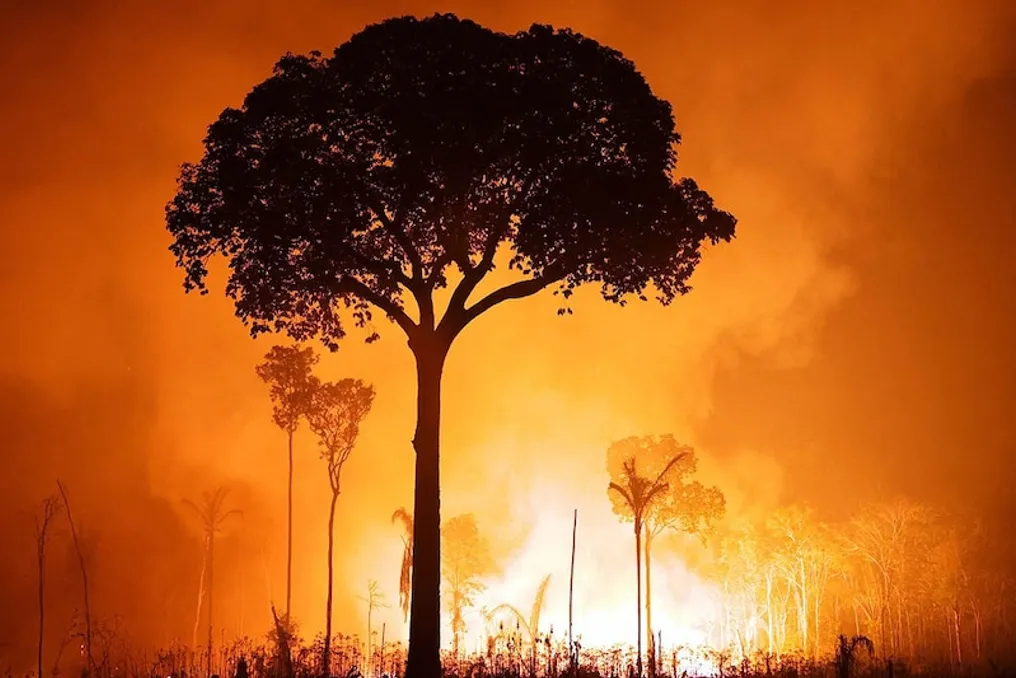
The Amazon rainforests are among the largest tropical forests in the world. They play a key role in maintaining the Earth's temperature balance by absorbing carbon dioxide from the atmosphere. However, they are suffering from increasing heat, forest fires, and deforestation. If a large part of these forests disappears, the risk of climate change could increase.
Coral reefs serve as homes for numerous marine creatures. When seawater temperature rises, corals begin to lose color in a process known as coral bleaching. With prolonged temperature increases, corals can die, negatively affecting other marine life.
Water currents in the Atlantic Ocean influence global weather. One part of this system transports warm water from the Caribbean Sea to Western Europe, helping to shape the weather in Europe. Rockström reported an increasing danger to some segments of this system. Rising temperatures and melting ice can increase the amount of freshwater in the ocean, potentially leading to changes in currents. Such a change could affect the weather in many areas.
Rockström called on companies to consider the link between climate change and environmental damage. He believes it is necessary to reduce the use of coal, gasoline, and diesel fuel while simultaneously protecting forests, vegetation, animals, and water sources. He also expressed concern about attempts to weaken regulations regarding the phase-out of internal combustion engine vehicles, noting that subsidies for gasoline and diesel may reduce demand for electric vehicles.
To prevent the rise in Earth's temperature, it is critically important to reduce fossil fuel pollution. Simultaneously, attention must be paid to protecting forests, conserving water resources, and using natural resources rationally. The international climate conference COP31 is scheduled for early November 9th, where measures to combat climate change will be discussed. Rockström warns that the consequences of global warming will not be limited to rising temperatures but will affect forests, oceans, and natural systems upon which human and other life depend.