The UAE Minister of Energy and Infrastructure, Suhail bin Mohammed Al Mazrouei, confirmed that the United Arab Emirates continues to develop its energy sector by diversifying energy sources, expanding clean energy projects, and improving energy efficiency. These measures are aimed at ensuring stable supplies, meeting growing demand, and strengthening the national economy's competitiveness.
Speaking on the occasion of World Energy Day, observed annually on October 22, Al Mazrouei emphasized that the vision for the future of energy is based on the understanding that energy security and emissions reduction are complementary goals. He noted that a successful transition in energy requires a diverse energy balance that guarantees supply reliability, increases the share of clean energy, and meets future needs.
He added that World Energy Day provides an opportunity to reaffirm the importance of diversifying energy sources, improving energy efficiency, and aligning energy production growth with goals of economic growth and emission reduction. Al Mazrouei explained that the UAE adopts a long-term approach to energy planning, stimulating investments and partnerships, and utilizing advanced technologies to enhance resource efficiency and strengthen the energy system's ability to respond to economic, climatic, and technological changes.
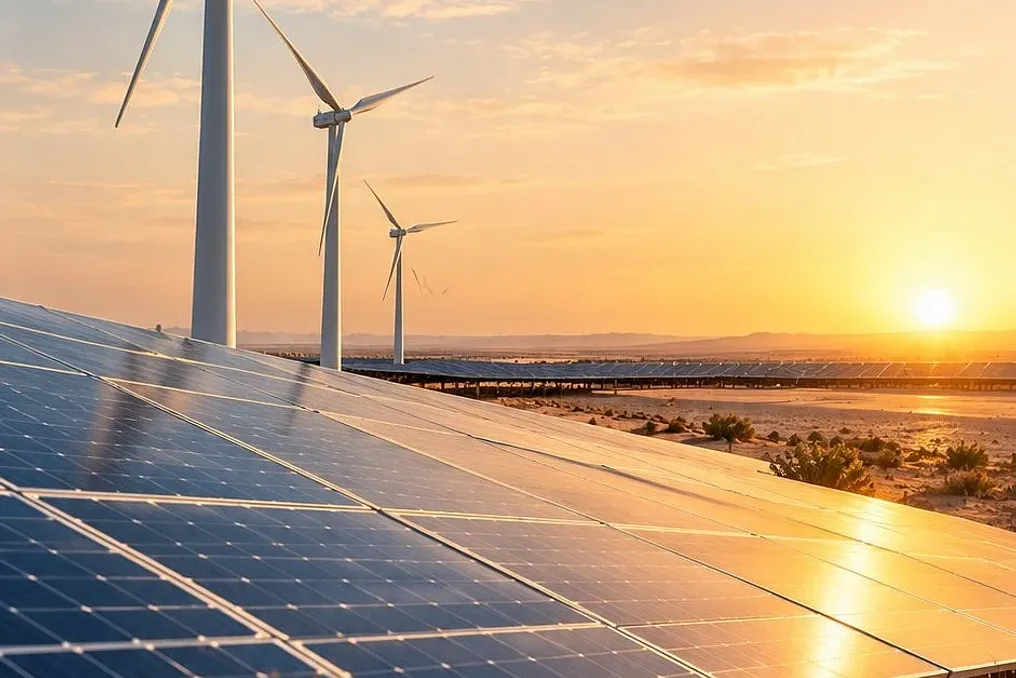
It was noted that over the last decade, the potential for renewable energy in the UAE has increased more than 63 times: from 129 megawatts in 2015 to over 8.2 gigawatts in 2025. In 2025, clean energy accounted for 32.4 percent of the country's electricity generation, with a goal set to increase this share to 35 percent by 2031. These efforts reflect the UAE's commitment to expanding the contribution of clean energy to its energy mix while meeting future electricity demand.
Al Mazrouei reported that the expansion of clean energy is supported by planned national investments of up to 200 billion dirhams by 2030 to develop clean energy projects and meet the needs of economic and demographic growth, as well as through greater private sector participation and strengthened partnerships in the energy sector.
He stressed that directing investments towards increasing generating capacity supports the UAE's energy goals and enhances the sector's ability to meet the country's development needs. Al Mazrouei specifically highlighted that major national projects play a vital role in diversifying the UAE's energy balance by combining renewable and nuclear energy. The Barakah Nuclear Energy Plant was cited as an example, having a capacity of 5.6 gigawatts, supplying 25 percent of the UAE's electricity needs, and preventing the emission of 22.4 million tons of carbon annually. This contributes to reliable power supply, increased clean energy generation, and reduced emissions in the energy sector. Furthermore, the UAE continues to strengthen its domestic capabilities in clean energy while expanding international investments to diversify its energy mix, enhance energy security, and strengthen strategic partnerships. In this context, the target generating capacity of the Mohammed bin Rashid Solar Park was increased by 60 percent by 2030.
Meanwhile, Masdar's investments have reached approximately 45 billion US dollars, helping to expand its clean energy portfolio to over 65 gigawatts with a goal of reaching 100 gigawatts by 2030. Al Mazrouei emphasized that improving energy efficiency remains a national priority alongside increasing generating capacity. Through advanced technologies and more efficient resource utilization, the UAE aims to generate greater economic value while simultaneously reducing energy consumption and emissions.
He explained that developing the energy sector requires a balanced approach that combines increasing production capacity with improving consumption efficiency to optimize resource use and meet the needs of economic and demographic growth. Internationally, Al Mazrouei highlighted the UAE Consensus, which set a global goal to triple renewable energy capacity by 2030. He also noted that the UAE leads the Global Alliance for Energy Efficiency, supporting efforts to double the average global annual rate of energy efficiency improvement.
He stressed that expanding renewable energy and improving energy efficiency are complementary paths to advancing the global energy transition and reducing emissions. Looking ahead, Al Mazrouei confirmed that the UAE's priorities include accelerating the implementation of energy projects, expanding private sector participation, developing financing mechanisms, and transforming new technologies into scalable practical solutions. He concluded by emphasizing that these efforts are aimed at meeting the country's development needs and achieving tangible results in energy supply reliability, resource efficiency, and economic competitiveness. The UAE will continue to diversify its energy sources and expand clean energy projects within a long-term vision that considers both current and future needs.