FAO strengthens pest management and protects date production in Kermanshah orchards
Read more
Tehran Times
www.tehrantimes.com

FAO strengthens pest management and protects date production in Kermanshah orchards

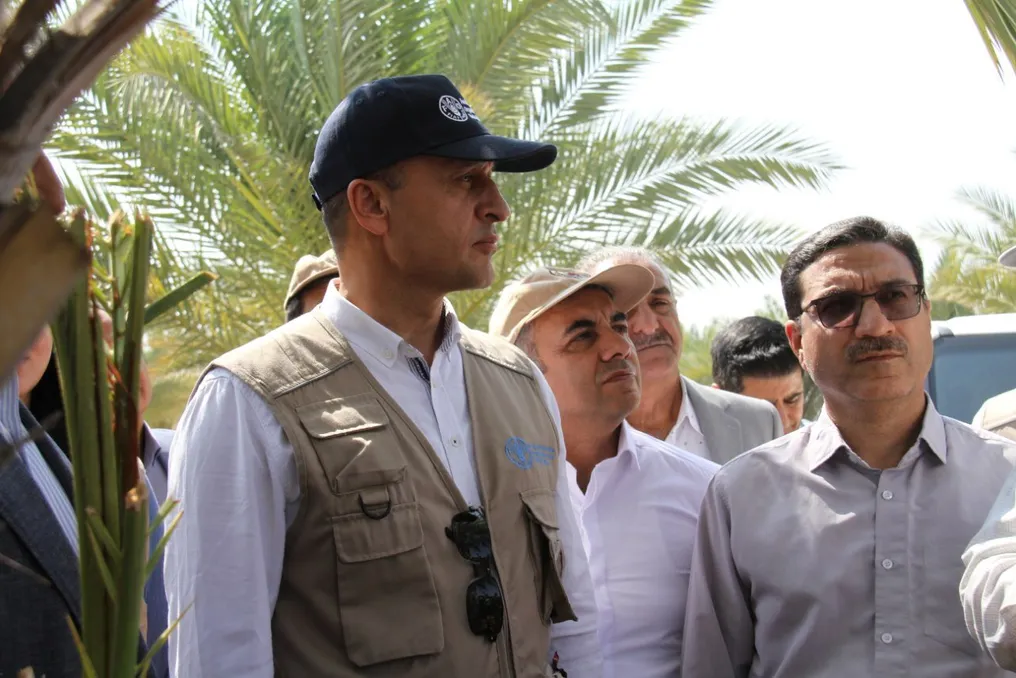
A delegation from the Food and Agriculture Organization of the United Nations (FAO) visited date orchards in Kermanshah province to strengthen the fight against pests and diseases through technical cooperation, field activities, and engagement with local and provincial stakeholders.

From October 11 to 14, the delegation, led by the FAO representative in Iran, Farrokh Toirov, inspected work sites in Jarofteh, Anbarabad, Bam, and Narmashir to assess progress in integrated pest management (IPM) in date orchards.

During the mission, the implementation of project support measures was analyzed, the use of equipment provided to pilot sites was studied, and consultations were held with farmers, researchers, plant protection specialists, agricultural authorities, and private sector representatives involved in the date value chain.

The project aims to address major threats to date production, including the red palm weevil, palm borers, Dubas beetle, and date palm fruit bunch wilt disease. During site visits, the team observed pest control measures in both modern, large-scale orchards with drip irrigation and traditional orchards using flood irrigation.

The delegation also inspected pest-affected orchards and visited date sorting, packaging, and processing facilities serving both domestic and export markets. The mission provided an opportunity to discuss current pest control methods and consider potential approaches to improving the efficiency and sustainability of these interventions.

Meetings with stakeholders emphasized that the red palm weevil is one of the most serious challenges facing date production in this province. Consultations held at the Southern Agricultural Organization of Kermanshah and at the Governor's Office of Bam district gathered local governors, agricultural officials, researchers, farmers, and the private sector to discuss pest management issues, production difficulties, and constraints affecting the date value chain, including control measures and access to export markets.

The FAO representative welcomed the active participation and overall commitment demonstrated by stakeholders in Kermanshah, noting that their collaboration creates a favorable foundation for expanding technical cooperation. Through this project, FAO continues to work with national and provincial partners to enhance technical capacities and promote more effective management of date palm pests and diseases. The project's field-based approach facilitates the assessment of practical measures in local production settings and helps identify opportunities for protecting date orchards, reducing pest losses, and increasing the sustainability of date production in Iran.
Similar stories

FAO Representative Highlights Role of Livestock in Food Security and Rural Employment
Read more
www.tehrantimes.com

FAO Representative Highlights Role of Livestock in Food Security and Rural Employment

The representative of the Food and Agriculture Organization of the United Nations (FAO) in the Islamic Republic of Iran, Farrokh Toirov, emphasized the strategic importance of the livestock and poultry sectors for ensuring food security, rural employment, and the country's agricultural economy. He stressed the need to promote sustainable development through the implementation of innovations, strengthening animal health services, and conserving local livestock genetic resources.

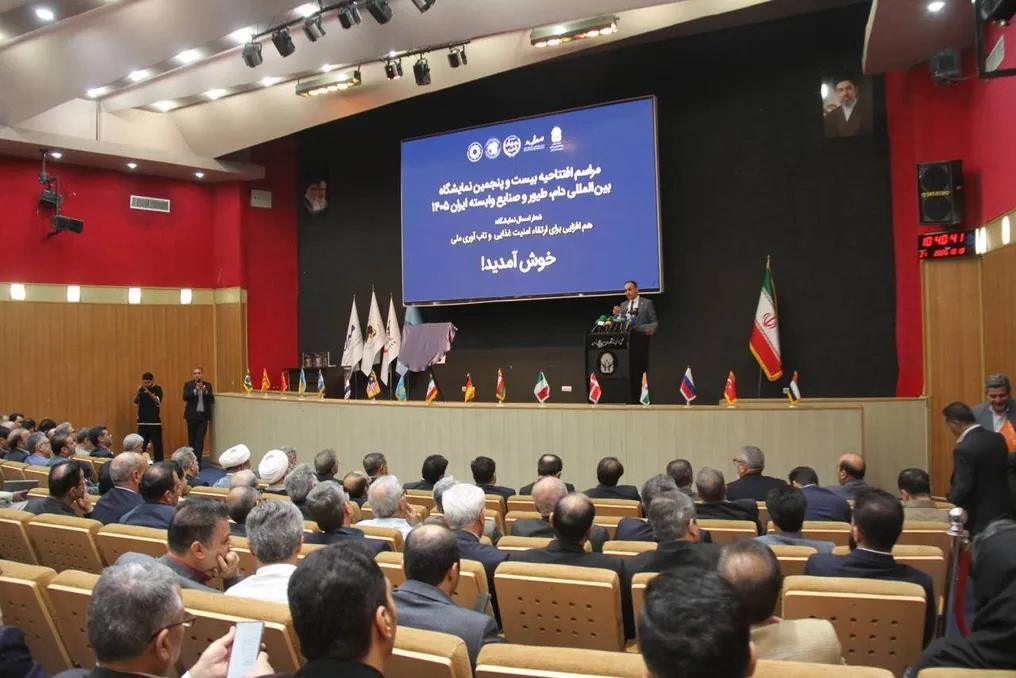
These statements were made during his address at the 25th International Exhibition of Livestock, Poultry, and Related Industries, held in Tehran on Sunday. The representative noted Iran's technical potential, the expertise of the private sector, and research institutes in meat and poultry production, calling the exhibition an important opportunity to strengthen partnerships, exchange knowledge, and advance innovative solutions to improve the productivity and sustainability of livestock systems.

According to the FAO representative, meeting the growing demand for animal-derived food products requires improving production efficiency, animal health status, feed utilization efficiency, food safety, and environmental sustainability. He also highlighted water scarcity, pasture degradation, feed availability and cost, and animal diseases as major sector challenges.

Referring to the long-standing cooperation between FAO, the Ministry of Jihad-e-Agriculture, and national scientific research institutions, the representative underscored the importance of conserving and sustainably developing endangered local livestock genetic resources as a key area of joint work. As part of this cooperation, FAO is implementing a Technical Cooperation project focused on valuable local breeds, including Bactrian camels, Sarabi cattle, Mahabadi goats, and Marhooz goats. The project aims to enhance conservation approaches, support community-level breeding programs, and sustain pastoralists' livelihoods.

Local livestock breeds represent valuable genetic resources due to their ability to adapt to local climatic and natural conditions. Their conservation not only contributes to agricultural biodiversity but also enhances the resilience of livestock systems in challenging environmental conditions, preserving options for future livestock development. Previously, FAO has also supported the conservation of Bactrian camels in Iran and implemented mobile biotechnology and reproduction services for pastoralists in the country's northwestern regions through its technical cooperation initiatives. This experience serves as a foundation for expanding community-level livestock services, improving access to specialized technical support, and strengthening the productive capacity and livelihoods of rural and pastoral communities.

The FAO representative also specifically noted that animal health is a fundamental pillar of food security, public health, and sustainable production. The 'One Health' principle, which considers risks at the intersection of humans, animals, and the environment, is critically important for combating zoonotic diseases, transboundary animal diseases, and antimicrobial resistance. It was recognized that strengthening veterinary services, surveillance and early warning systems, biosecurity measures, and responsible antibiotic use is crucial for reducing economic losses, protecting livestock productivity, and ensuring public health.

During his speech, the representative also mentioned FAO's emergency assistance to Iran's fishing sector following the consequences of recent armed conflict. The Emergency Technical Cooperation project is aimed at restoring essential fishing infrastructure, supporting affected coastal communities, and strengthening household food security and livelihoods, particularly in Sistan and Baluchestan, Hormozgan provinces.

Referencing the UN declaration of 2026 as the International Year of Pastures and Pastoralists, where FAO is the leading agency, the representative emphasized the importance of sustainable pasture management, conservation of agricultural biodiversity, and support for pastoral communities. Concluding his address, the FAO representative called for closer interaction between government agencies, research centers, producers, and the private sector, linking the future of livestock and poultry to the theme of World Food Day 2026: 'Innovations Today, Nutrition Tomorrow.' He stressed that combining scientific innovations with traditional knowledge and locally adapted solutions can improve productivity, enhance nutritional value, protect the environment, and strengthen rural livelihoods.

Popular