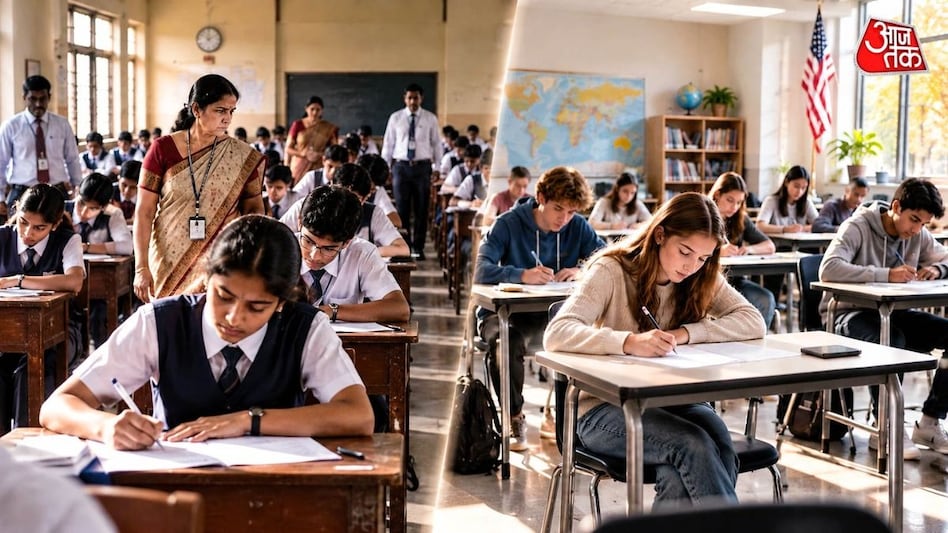
Indian student describes US exam format, noting lack of phone checks and proctors
Read more
Aaj Tak
www.aajtak.in

Indian student describes US exam format, noting lack of phone checks and proctors

While the atmosphere during exams in Indian schools is often characterized by close teacher supervision, complete silence, and students' focus on answers, an Indian student shared a different experience after observing the process in America.

This student, who came to the US for studies, was extremely surprised by the environment in the testing centers. He posted on social media, stating that American classrooms lacked inspectors, staff to check phones, and jamming devices. Despite this, students took the exams honestly.

In his post, which appeared on X, the student noted that he has been in the US for two months and encountered an unusual atmosphere during testing. He shared this experience, emphasizing that there were neither inspectors nor checking personnel present during the exams.

Following the publication of this message on social media, a discussion began among users. Some commentators suggested that processes in the US are managed less strictly, while others pointed out that exam rules can vary depending on the specific university and curriculum.

It is important to note that the information presented in the Indian student's post is based solely on his personal experience. Nevertheless, American universities use various assessment methods, such as open-book exams, take-home assignments, or online tests, and employ many other formats for organizing certification.
Similar stories

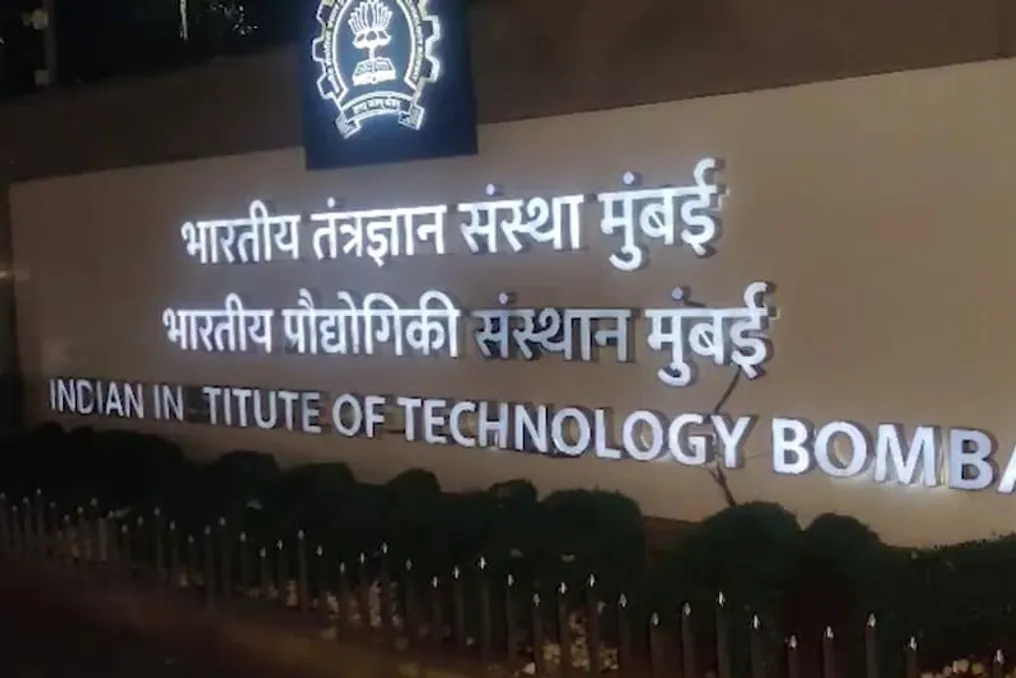
After Sahil Wakode's case, IIT Bombay changed rules: asking students about rank or caste is prohibited
Read more
www.aajtak.in

After Sahil Wakode's case, IIT Bombay changed rules: asking students about rank or caste is prohibited

The Indian Institute of Technology (IIT) Bombay has issued a 'Anti-Discrimination Handbook' for students, faculty, and campus staff. According to these directives, it is forbidden to ask any student for information regarding their caste, admission category, or entrance exam rank, as this may lead to direct or indirect discrimination.

This institutional move followed approximately one month after the alleged suicide of student Sahil Wakode (22 years old). Following Sahil's death, his parents filed accusations against a professor regarding racial discrimination.

The new rules stipulate that questioning a peer about their caste or admission category is inappropriate, as it can unintentionally foster prejudice. The email also clearly stated that requesting information about JEE (Advanced) ranks or GATE scores from students that reveals their caste or related details is unacceptable. The letter from the Dean of Student Affairs emphasized that even if the question is asked out of pure curiosity, such inquiries can have a negative impact and be considered discriminatory.

Under these guidelines, sending or forwarding any derogatory, hate speech, racist, gender-discriminatory, or religiously and sexually biased jokes or messages via WhatsApp, Facebook, email, or in person is strictly prohibited. The warning states that such actions will be treated as harassment or bullying, and violators will face strict measures.

The institute advised students to build connections with each other based on common interests such as departments, sports, music, cinema, household chores, and hobbies.

Sahil Wakode's body was found in his hostel on September 18th. It was presumed that he took this step after being caught cheating during an intermediate examination. Protests have since begun on campus. The institute claims that this new directive is part of efforts to strengthen student welfare and enhance the transparency of administrative processes. Meanwhile, student protests continue at the main gates of IIT Bombay, where they demand a direct dialogue with the administration regarding student well-being.

On the other hand, the deceased student's parents are conducting an indefinite sit-in protest at Azad Maidan, demanding accountability and decisive action from the institute's administration. The relatives accused Professor Suryanarayan Dulla of harassment and racial discrimination. Earlier this month, the police also questioned Professor Dulla for about 10 hours in connection with the alleged suicide.

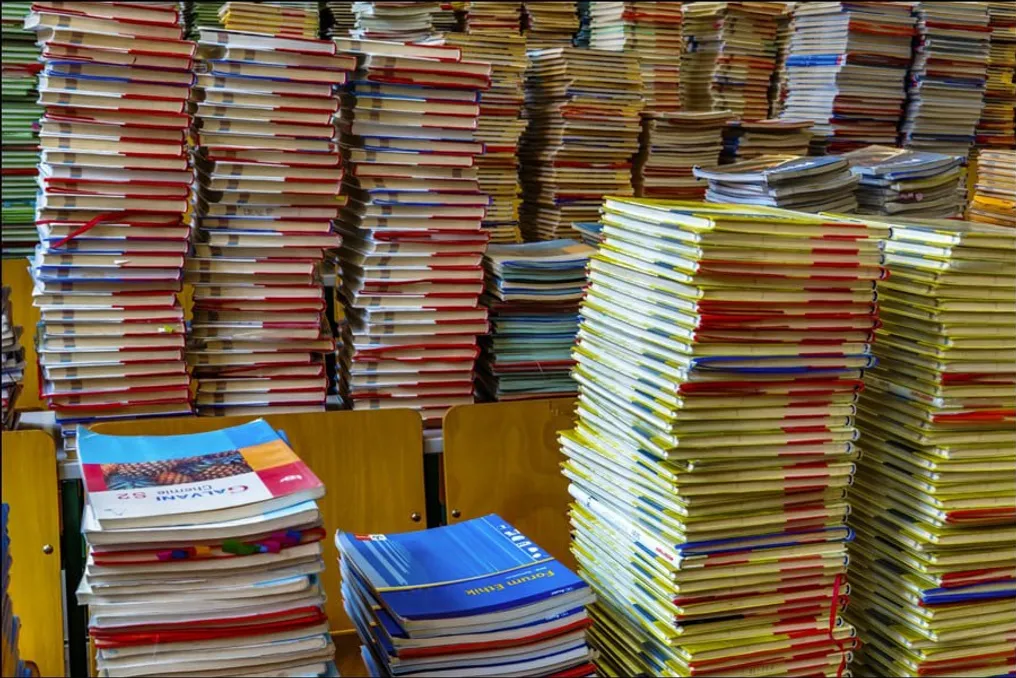
Parents in Tashkent complain about textbook shortage in schools, especially in Russian-language classes
Read more
podrobno.uz

Parents in Tashkent complain about textbook shortage in schools, especially in Russian-language classes

A problem with providing students with necessary educational materials has been observed in several educational institutions in Tashkent. Parents are forced to print study materials themselves, and teachers are sharing book pages through parent chats.

This situation is most acute in classes where instruction is conducted in Russian. Complaints were received from parents in the 'Consumer.uz' group on the Facebook social network. According to parents, several necessary books are missing in some classes, forcing students to use printouts or electronic copies provided by educators.

The highest number of mentions concerns students in the 3rd, 4th, and 7th grades. One commenter, who identified himself as a physics teacher, noted the inability to find even an electronic physics textbook for seventh graders, despite the calendar-thematic plan of lessons having been provided.

Some parents reported that this problem was also present in the previous academic year. Others noted that while some books were received, the rest still require searching. Comments also suggested checking for textbooks in bookstores, including Farhad Bazaar.

The problems with textbook shortages are not limited to the capital; parents from various regions of Uzbekistan are also reporting that children have been issued incomplete sets of literature. Although the difficulties affect high school students, primary school students are mentioned most often.

According to parents, in some schools, children are given only a few textbooks, while in others, missing books are replaced with outdated editions that may not comply with the current curriculum. Some families are forced to purchase study materials themselves, and in some cases, teachers take on this responsibility.

The editorial office of Podrobno.uz sent an official request to the Ministry of Preschool and School Education, but no response from the department was received at the time of publication. It was previously announced that Uzbekistan plans to prepare over 1,300 new types of textbooks and teaching materials by 2027.

Popular