
Vastu Tips: Which Colors to Avoid When Painting Your Home According to Vastu Shastra Principles
Read more
Aaj Tak
www.aajtak.in

Vastu Tips: Which Colors to Avoid When Painting Your Home According to Vastu Shastra Principles

The color scheme of walls plays a significant role in creating an aesthetically pleasing appearance for a home. However, within the framework of Vastu Shastra, colors are viewed not merely as a decorative element but as a factor influencing the overall atmosphere and energy of the house. Vastu experts recommend selecting shades based on the intended use of a specific room and its direction.

There is a belief that using overly bright or dark colors in certain areas can hinder the achievement of mental peace, comfort, and a positive environment. Below are recommendations for choosing colors for the kitchen, bedroom, prayer area, and the north direction.

Using blue color in the kitchen

According to Vastu principles, the kitchen is associated with the fire element. Therefore, it is advised to avoid excessive use of blue color in this area, as blue is associated with the water element and is considered the opposite of fire in the traditional interpretation of Vastu. Instead, shades such as terracotta, light peach, mustard, or light olive are suitable for walls or kitchen cabinets, as they will give the kitchen warmth and appeal.

Restrictions on red and yellow colors in the north

In Vastu Shastra, the north direction is linked to financial well-being, career growth, and the emergence of new opportunities, and it belongs to the water element. Because of this, it is recommended to minimize the use of red and yellow colors in this part of the house. The best alternatives for the walls of the northern side can be light green, pale blue, cream, or beige, as they create a feeling of tranquility and openness in the space. Nevertheless, it is noted that changing only the wall color has no scientific confirmation regarding changes in financial status.

Risks of using black walls in the bedroom

The bedroom is intended for rest after daily fatigue. Vastu advises against the extensive use of black color in the bedroom, especially in the southwest direction. Since this area is responsible for stability and relationships, soft tones such as light brown, cream, light yellow, or peach are better for the bedroom, which helps create a cozy and warm atmosphere.

Need for moderation with neon colors

Although neon pink, neon green, and bright orange colors can look striking, their excessive use can make a room too bright. Especially in bedrooms and meditation areas, such shades can cause discomfort to some people. According to Vastu, in areas requiring calmness, light tones should be preferred. The use of neon colors can be limited to pillows, small decor, or one section of the wall to maintain color balance.

Excess of red and orange in the prayer area

The prayer and meditation area should be a zone of peace. In Vastu Shastra, the northeast corner (Ishan Kona) is considered key for worship and concentration. In this area, instead of bright red and orange shades, light blue, white, or mint green is recommended. Light tones help create a calm and tranquil atmosphere in the prayer area. If the prayer room is small, using white or light colors will help visually expand and brighten it.

When choosing a color for a residence, several factors should be considered: the purpose of the room, so that calming shades are used in the bedroom and attractive shades in the living room; the presence of natural light, as light tones can visually enlarge and illuminate poorly lit rooms; the need to maintain color balance by avoiding the simultaneous use of many loud shades and highlighting one main color; and it is also important to consider not only Vastu but also architectural features, lighting, and personal preferences.

Similar stories

Choosing the Right Paint Finish for Walls: A Comparison of Matte, Glossy, and Satin Finishes
Read more
www.aajtak.in

Choosing the Right Paint Finish for Walls: A Comparison of Matte, Glossy, and Satin Finishes

When undertaking renovations or during holidays such as Diwali, people often focus on selecting a beautiful color for their walls. However, it is important to know that an incorrectly chosen paint can make stain removal difficult and negatively affect the appearance of the walls. Furthermore, when purchasing paint, one must ensure that it is suitable for indoor use and does not contain lead. This is especially crucial in homes with children, as contact with lead can be harmful to health.

Interior designer Preeti Pandya, founder of FEEL THE SPACE Interior Design Studio, explains that choosing paint involves more than just looking at the color. It requires understanding the differences between matte, glossy, and satin finishes, which type of paint suits a specific room, which coatings are easy to clean, and which finish best conceals minor wall imperfections. It is also important to check for mold on the wall before painting and carefully study the information on the paint can. Every small detail can add extra charm to your home.

Preeti Pandya clarified that the paint color determines whether the wall will look white, cream, yellow, green, or blue. Meanwhile, the finish dictates how the wall surface will appear after drying: whether it will be matte, slightly shiny, or highly reflective. For instance, if you want a cream color in the bedroom, you can choose paint of that color with a matte, satin, or glossy finish. The color will remain the same, but changing the finish will alter the overall look of the wall. Therefore, when buying paint, attention should be paid not only to the color but also to the finish type.

Matte finish paints have very low or virtually no shine, giving walls a simple and soft appearance. This is a good option if you dislike excessive brightness. A characteristic of matte paint is that minor irregularities and pits on the wall are less noticeable compared to glossy coatings. Nevertheless, it does not completely hide large wall defects.

The interior designer noted that matte finishes can be suitable for walls in bedrooms and living rooms. However, some matte paints are difficult to clean from stains. Therefore, if there are small children in the house or the walls are frequently touched by hands, you should choose a washable matte paint. The main advantage is the simple look, while the disadvantage is the difficulty in cleaning most matte paints.

The surface of paint with a glossy finish is shiny and reflects light. It is usually easy to clean. It is used for doors, windows, and some wooden elements. The correct glossy paint can also be applied to certain metal surfaces.

However, due to its shine, such coatings can more clearly reveal scratches, pits, and unevenness on the wall. Therefore, thoroughly preparing the surface is extremely important before application. If you prefer a calm and simple look, be sure to inspect a sample of the paint before covering the entire room with a bright coating. The advantages of glossy paint are its shine and ease of maintenance, while the disadvantages are the increased visibility of minor wall defects.

If you do not prefer either absolutely matte or too shiny walls, satin finish can be a good choice. It has a slight sheen, making the walls attractive. Many paints with this finish are also easy to clean, although this depends on the quality and type of the paint itself.

Satin finish can be useful for children's rooms, hallways, and areas of the house where walls are frequently touched or where there is a risk of stains. This type of paint can also be used in the kitchen if it is washable and suitable for the space. The advantage of satin paint is its slight sheen and ease of care, but the disadvantage remains the possibility of revealing some wall defects.

Interior designer Preeti Pandya advised that for a bedroom, if a simple and calm look is desired, a matte finish is suitable. In the living room, you can choose a matte or satin finish depending on your preferences and the room's lighting. For children's rooms, matte or satin paint that is easy to clean with a damp cloth is best. For the kitchen, it is recommended to choose washable satin or another appropriate finish, as there is a high probability of grease and food stains. Durable and easily washable paint is also useful in hallways, as walls in this area are subject to frequent touching. For doors and windows, glossy or satin finishes can be used, provided the paint is intended for the respective surfaces.

When purchasing paint, besides its shine and color, safety must be considered. For this, you should choose lead-free paints. Lead is a harmful metal. This is especially relevant when peeling off old layers of paint.

Vastu Tips: 5 Items You Should Not Store Under Your Mattress to Avoid Financial Problems
Read more
www.aajtak.in

Vastu Tips: 5 Items You Should Not Store Under Your Mattress to Avoid Financial Problems

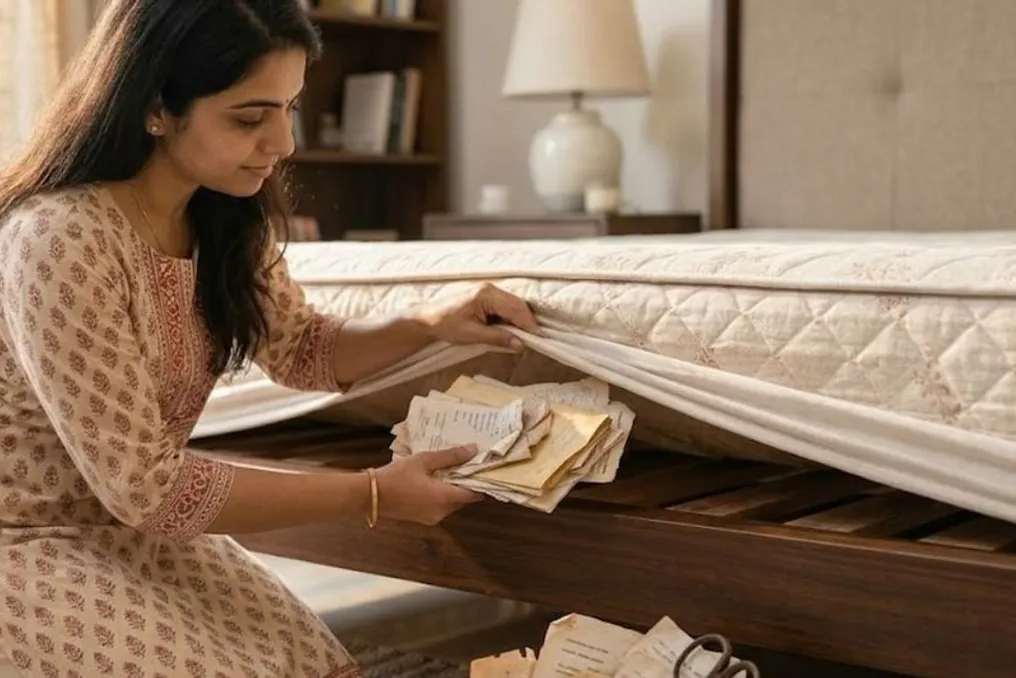
In the study of Vastu Shastra, small items in the bedroom are considered quite significant. According to beliefs, the correct placement of the bed and the surroundings can influence a person's sleep, mental peace, and the atmosphere in the home. However, many people unknowingly leave things under their mattress that are undesirable from a Vastu perspective. The habit of storing old bills, torn clothes, sharp objects, and unnecessary clutter under the bed is considered by Vastu to be a source of negative energy amplification.

Within Vastu beliefs, disorganization in the bedroom is linked to mental anxiety, tension between spouses, and family quarrels. Furthermore, the accumulation of trash is associated with financial obstacles and a decrease in well-being. Below are five categories of items that should be avoided under the mattress.

Firstly, old bills and papers should not be kept under the mattress, as there is a belief that keeping unnecessary items in the house leads to disorder and negativity. Some beliefs connect such disarray with a reduction in financial abundance and obstacles in monetary matters. Although there is no proof that storing old papers under the mattress leads to money loss, it is best to keep important documents in folders and dispose of unnecessary papers.

Secondly, if torn or long-unused items are under the mattress, they must be removed. Vastu Shastra emphasizes the importance of cleanliness and organization in the home. It is believed that the accumulation of unusable items can negatively affect the atmosphere of the dwelling; some link this to stagnation in development and financial difficulties.

Thirdly, placing knives, scissors, needles, or other sharp objects under the mattress is not recommended from a Vastu perspective. According to some beliefs, sharp objects are associated with stress, disagreements, and bitterness in relationships. In the view of these beliefs, having such items in the bedroom can cause arguments between spouses and disrupt peace in the home. Nevertheless, there is no scientific confirmation that these items cause family conflicts, and from a safety perspective, they should also not be left under the mattress.

Fourthly, electronic wires and chargers should be avoided. The habit of leaving mobile chargers, extension cords, and electrical wires under the mattress is common among many people. According to Vastu beliefs, the sleeping area should be free from extraneous items. Clutter near the bed can disturb the quiet ambiance of the room.

Fifthly, medicines should not be stored under the mattress. Some people place medications there for quick access at night. Vastu advises maintaining a clean and calm environment around the bed. Storing medicines under the mattress can affect health and may lead to a significant portion of income being spent on treatment.

Popular