Oil prices continued to rise, reaching over $110 per barrel on Wednesday morning. The increase is driven by concerns about supplies in the Middle East and falling reserves in the US. On Wednesday, Brent and WTI grades traded at $110.4 and $99.16 per barrel, respectively, which is 1.37% and 1.47% higher than the previous period.
During the first three weeks of October, oil prices remained higher than in comparable days in September, linked to worries about military actions in the Middle East.
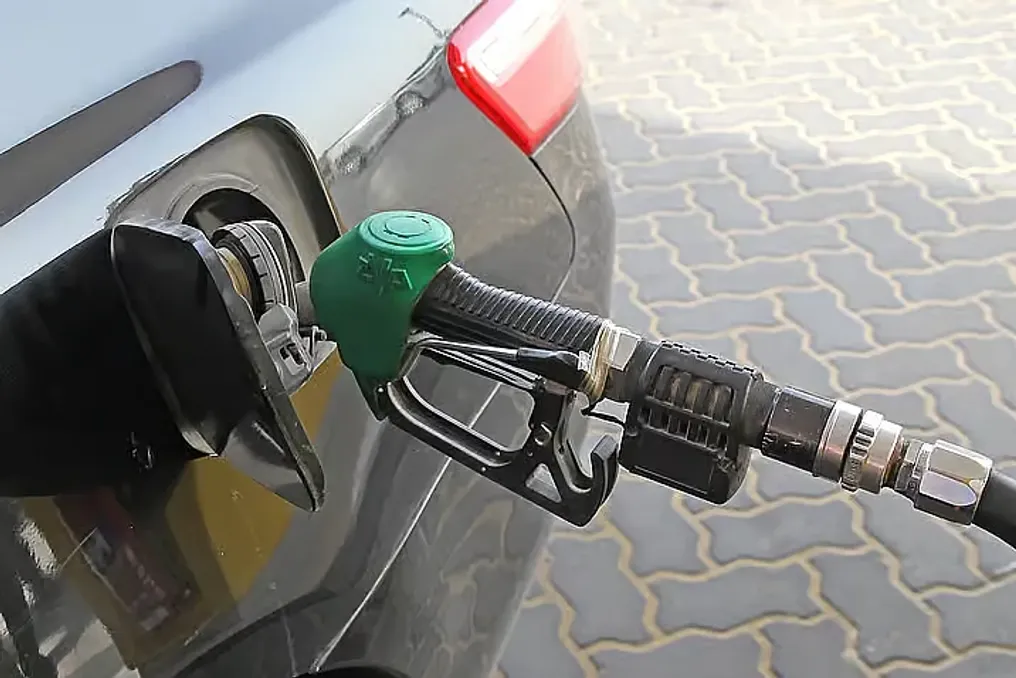
In the United Arab Emirates (UAE), fuel prices jumped in October to above a four-year high. This occurred due to rising global oil prices, leading to an increase in tariffs for Super 98, Special 95, and E-Plus 91 by 0.60 dirhams or 16% per liter.
In October, the cost of Super 98 was 4.40 dirhams per liter compared to 3.8 dirhams in September; Special 95 gasoline cost 4.28 dirhams per liter versus 3.69 dirhams last month; and E-Plus 91 amounted to 4.21 dirhams per liter in October, while the price in September was 3.61 dirhams per liter.
December Brent contracts averaged around $104.7 per barrel during the first three weeks of October, which is higher than $101.37 during the same period last month.
The UAE reviews retail fuel prices monthly to align with global prices. The UAE Fuel Price Committee will announce gasoline prices on October 31, 2026. Since there are 10 days left until that date, prices will be adjusted based on monthly oil prices and other factors.
Oil prices rose sharply after Iran notified Pakistan's army chief Asim Munir that negotiations with the US would not take place without meeting Iranian demands, as reported by Iranian media 'Nournews' on Tuesday. Furthermore, risks related to maritime security are increasing. According to Shiptracker Kpler, at least 18 attacks on vessels were registered in the last two weeks. LSEG analysts warn that Iran is targeting tankers far beyond the Strait of Hormuz, reaching the Gulf of Oman and jeopardizing crude oil loading in the Persian Gulf and transshipments supporting regional supplies.