Study Launched in Abu Dhabi Using Smart Ring for Early Detection of Preterm Birth Risk
Read more
Khaleej Times
www.khaleejtimes.com

Study Launched in Abu Dhabi Using Smart Ring for Early Detection of Preterm Birth Risk

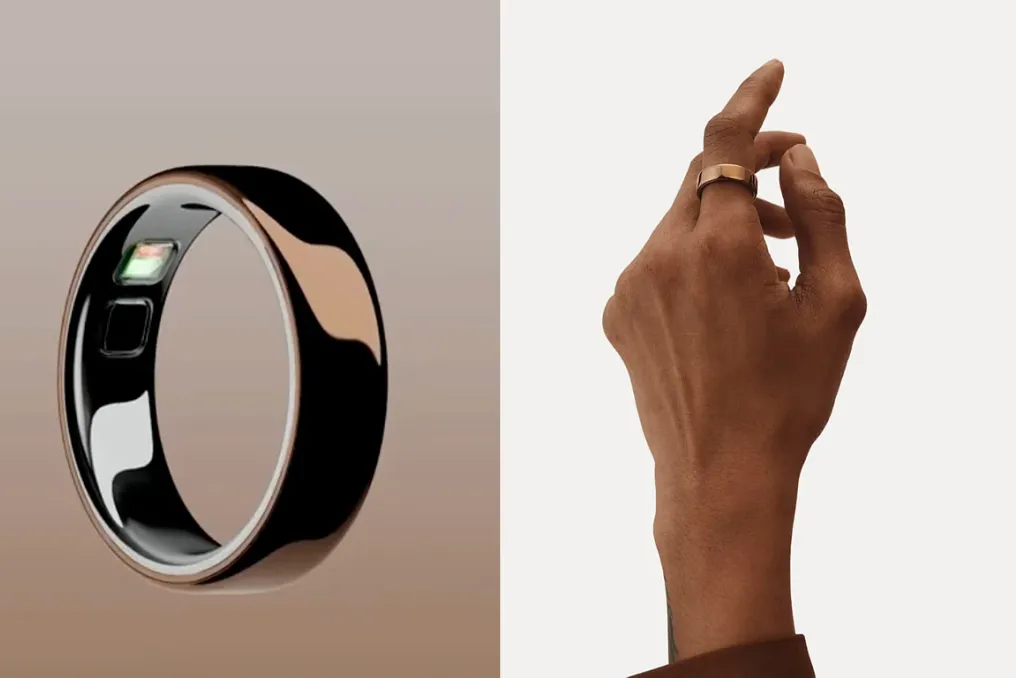
A new study has commenced in Abu Dhabi aimed at testing the feasibility of using a smart ring to alert doctors to the risk of preterm birth. This ring tracks parameters such as heart rate, sleep, and activity in pregnant women.

The 'Project Cradle,' which began on Wednesday, is overseen by the Abu Dhabi Department of Health (DoH) in collaboration with medical technology company Oura. The research seeks to determine if continuous biometric data can identify signs of spontaneous preterm labor before it occurs.

Researchers will monitor high-risk pregnant women throughout their entire period—from conception to delivery. They will combine data collected via the Oura Ring with clinical and genomic information to ascertain whether physiological changes in individual women can provide a reliable signal of impending preterm birth.

Preterm birth, defined as birth before 37 full weeks of gestation, affects approximately one in ten pregnancies globally. Earlier risk identification would allow physicians more time to implement supportive measures for fetal development, including treatment to improve lung and brain health, or to arrange transfer to a hospital with specialized neonatal care.

Initially, Corniche Hospital and Mediclinic Airport Road will participate in the study, with participant recruitment expected in the coming weeks. Results are anticipated to be published in 2028.

What will the ring track?

The Oura Ring continuously measures physiological indicators, including heart rate variability, heart rate, sleep, and activity levels. Specialists will analyze these measurements over time and compare them with clinical outcomes to determine if a sustained pattern emerges before spontaneous preterm labor begins.

Population-level studies have previously indicated that heart rate and its variability can change weeks before delivery. Project Cradle will test whether such changes can be reliably detected in individual women and if they occur early enough to be clinically useful.

The key question is whether researchers can establish a threshold that prompts medical teams to assess the woman's condition or take action. The study aims to investigate this possibility, not to immediately implement a new clinical alert system.

The research will proceed with ethical committee approval, informed consent, and within the DoH's data governance and trusted research environment framework. Participants will continue to receive standard medical care.

The Oura team, comprising over 50 staff physicians and scientists, will lead the data analysis and wearable device management.

From Research to Healthcare

Project CRADLE was announced by the Deputy Minister of Health of Abu Dhabi, Dr. Noura Khamis Al Ghaiti, and Oura CEO Tom Heil at the Abu Dhabi Future of Health Summit. This project is the first initiative under a long-term partnership between the two organizations, announced in May 2026.

The partnership intends to explore how continuous health monitoring can contribute to preventive medicine. Project Cradle is the first of three planned pilot projects, with a broader focus placed on women's health and cardiometabolic health.

Al Ghaiti noted that this project will help gather the necessary evidence for earlier detection of signs and ensuring timely and personalized care.

Heil emphasized that the partnership combines continuous physiological monitoring with clinical expertise to study how data from wearables can improve treatment outcomes.

Any wider integration of this technology into the Abu Dhabi healthcare system will depend on the study's results and regulatory approval.
Similar stories

Oura Ring 5 Smart Ring Launched in India for Sleep, Heart Health, and Respiratory Monitoring
Read more
www.aajtak.in

Oura Ring 5 Smart Ring Launched in India for Sleep, Heart Health, and Respiratory Monitoring

Popular smart device manufacturer Oura has released its new Oura Ring 5 smart ring in the Indian market. This device is designed to track sleep metrics, heart condition, stress levels, and overall well-being without the need to wear a smartwatch.

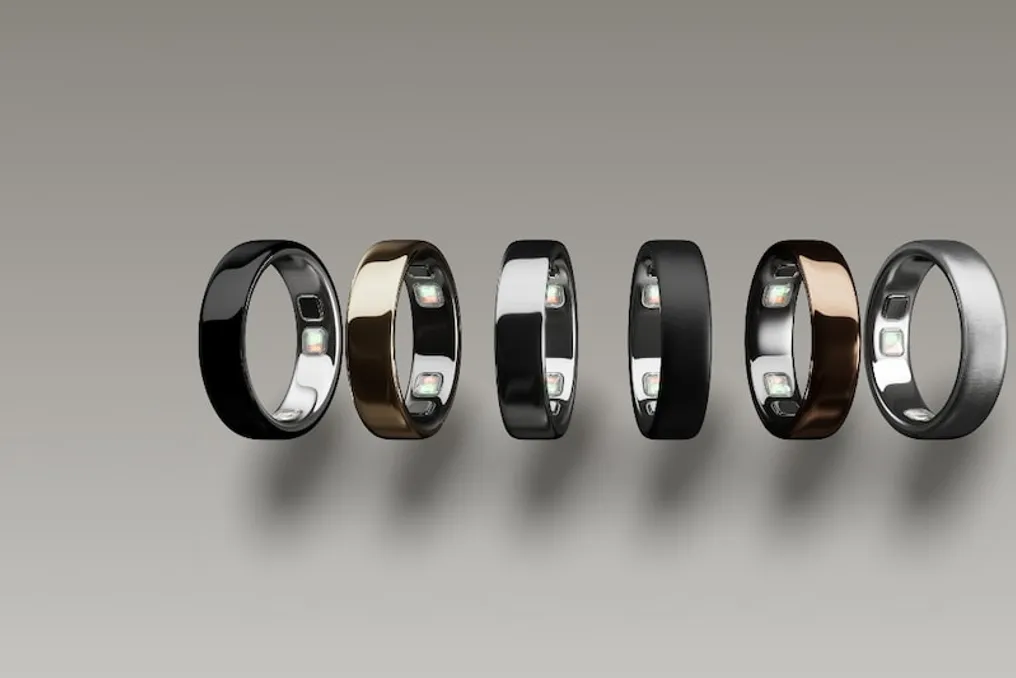
The company claims that the Oura Ring 5 is 40% smaller than the previous Oura Ring 4 model and can operate for up to 9 days on a single charge. Pre-orders for the Oura Ring 5 began on October 22 through Amazon and Croma platforms. Models in black and silver are priced at 39,900 rupees, while options in gold, deep pink, stealth, and matte silver are available for 50,900 rupees. It is important to note that full access to analytical data via the Oura app requires a monthly subscription costing 599 rupees; basic functions are provided free of charge.

The main feature of the Oura Ring 5 is its compact size. According to the company, the ring is made of lightweight titanium, and its dimensions have been reduced by 40% compared to the previous version. The sensors have been redesigned to ensure more comfortable finger fit and improved skin contact.

The ring integrates new LED sensors and 12 enhanced signal pathways. Their purpose is to ensure more reliable collection of health data across different fingers and skin tones. The ring displays data related to activity, recovery, sleep, and stress in the Oura app. The company states that the battery can last from 6 to 9 days after one charge, although actual battery life will depend on the ring size and usage intensity. Users can purchase the ring in sizes from 6 to 13, and six color options are available.

Among the health features offered by this ring, special attention is given to blood pressure-related metrics. However, it should be understood that the Oura Ring 5 does not provide readings in mmHg units, measuring pressure directly like a medical device. Instead, it uses the Health Radar function, which helps interpret changes and long-term patterns in various bodily biometric indicators. The Blood Pressure Signals function analyzes data over 30 nights and can identify patterns that may be associated with cardiac load. There is also the Nighttime BP function, which helps understand pressure-related trends based on nighttime readings.

Users have the option to manually enter readings obtained from their own blood pressure monitor into the Oura app. This allows for comparison between data collected by the ring and actual measurements. Nevertheless, the company emphasizes that all these functions are classified as wellness features and are not medical indications for diagnosing diseases, including high blood pressure or heart problems. In such cases, consultation with a doctor and professional medical examinations are necessary.

The Oura Ring 5 is also equipped with the Nighttime Breathing function. This function displays not data from a single night, but changes and patterns related to breathing during sleep over a 30-day period. The goal of this feature is to help the user notice if there are sustained changes in breathing patterns during sleep. If prolonged anomalies are detected, consulting a doctor is recommended, but this function should not be considered a tool for confirming any disease.

The ring also includes the Cardio Effort function, which tracks heart load during workouts and compares the user's weekly activity with their own average level. Furthermore, the automatic VO2 Max function, available in Oura Labs, uses GPS to estimate aerobic fitness during walks, runs, and hikes.

The Oura app features GLP-1 Insights. It is designed for users taking GLP-1 medications, allowing them to log dosage, time of intake, side effects, and weight changes. The app combines this information with data on sleep, activity, recovery, and stress, facilitating an understanding of long-term changes. For women, there is a Menopause Insights feature that assesses the impact of perimenopause on sleep, mood, cognitive function, and daily life.

The company reports that the GLP-1 Insights feature is available to participants using Gen3 and later models in the English version of the Oura app in India.

The Oura Ring 5 may be useful for those who wish to track long-term trends in sleep, activity, and recovery using a small, screenless device. Its small size and multi-day battery life make it convenient for daily wear. However, the initial cost is 39,900 rupees, and the subscription costs 599 rupees monthly. Thus, total expenses, including an annual subscription (7,188 rupees), amount to 47,088 rupees.

Popular