The fresh produce sector in South Africa has seen significant price fluctuations over the course of one week. While some fruits have shown impressive growth, staple food items have faced sharp decreases in cost.
The most noticeable trend was the increase in avocado prices, which rose by 24%. In the latest market update from GroundRules, prepared by Agricultural Market Trends (AMT) sponsored by King Price, agricultural economist Kons Moraba analyzed the reasons behind these sharp market changes.
Potatoes experienced a sharp drop over the last seven days. If the average price exceeded 82 rand per bag last week, it has now fallen by more than 23%, to 63.46 rand for a 10-kilogram bag. Moraba cited high volume of product inflow, inventory accumulation, weak consumer purchasing power, and heat-induced quality issues as the main causes. As stocks continue to rise, potato prices may continue to fall in the coming days.
The situation with tomatoes was even more critical: their prices plummeted by 40% in a week, reaching an average of 8.97 rand per kilogram. This makes them 23% cheaper than a year ago, despite an 18% weekly increase in supply.
In addition to increased supply and accelerated ripening and discoloration due to ambient temperature, Moraba pointed to a structural problem—a shortage of informal wholesale buyers known as 'sweepers'. These buyers play a vital role in absorbing low-quality produce; without them, surplus products continue to drag down base prices.
Meanwhile, the onion market finally brought relief to consumers, as the average price fell to 139.38 rand per 10-kilogram bag. The arrival of produce on weekends suggests a possible easing of shortages.
Among other temperature-sensitive products, sweet peppers dropped by 15% to 12.70 rand per kg, carrots decreased by 3% to 3.90 rand per kg, and green peas reduced by 32% to 15.54 rand per kg. Garlic remained expensive at 90.06 rand per kg, although expected supply increases may stabilize prices over the next month.
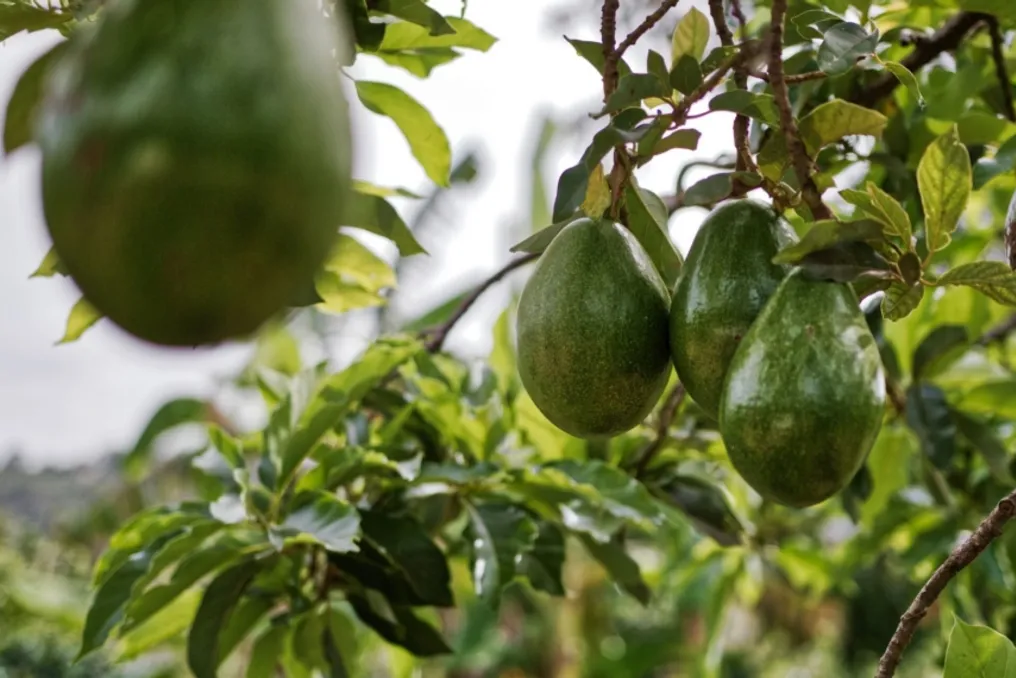
While vegetables struggled, avocados emerged as the week's biggest winner, increasing by 24% to 20.07 rand per kg (with Fuerte averaging 35 rand and Hass at 14 rand). Supply to the fruit market is expected to become even more constrained by the end of the year, which will support prices.
The following changes were recorded in other fruit markets: table grapes rose to 93.71 rand per kg, blueberries fell to 43.35 rand per kg ahead of the November peak, bananas increased by 5% to 9.89 rand per kg amid a temporary 10% supply dip, and oranges recovered by 11% to 3.52 rand per kg.
Regarding exports, Moraba warned that increased volumes do not guarantee automatic increases in farmers' income. Avocado exports from South Africa rose by almost 16% compared to last year, but the oversupply in the European market reduced producers' margins. Regionally, import restrictions from Namibia in October continue to limit vegetable flows, setting a 30% proportional limit on South African carrots and onions.
As fresh produce markets cope with seasonal temperature spikes and changing trade flows, the key factor remains inventory turnover. As Moraba summarized in the Ground Rules update this week: 'Price can rise due to scarcity, but real demand is necessary to sustain it.'