After two days overshadowed by rain, tents, and disappointment, St George's Park resumed its life on Tuesday morning, bathed in golden light. The sun appeared not timidly, but with confidence, as if the previous two days could have never happened at all.
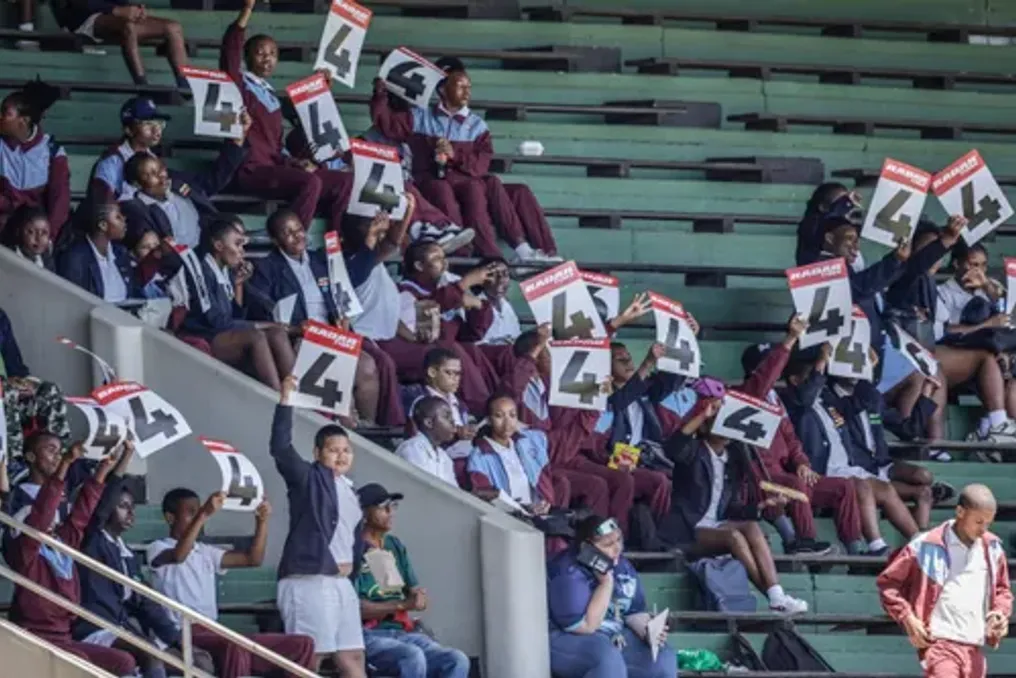
Spectators began occupying the famous grassy mounds, replacing raincoats with sunglasses. Schoolchildren filled the Western stand with shouts, songs, and endless energy. For the first time during this Test match, South Africa's oldest cricket ground seemed truly alive.
Then the music started. The famous St George's Park brass band, which had been silent for most of the match due to the weather and lack of activity, finally got its moment. Trumpets sang, trumpets boomed, and familiar melodies drifted across the old field, mixing with laughter and conversation under the cloudless skies of Gqeberha.
Unlike the sparse crowds watching the first Test in Kingsmead, this resembled the beginning of South Africa's greatest summer cricket season, which was finally allowed to begin. This was not because all seats were taken, but because there was life, noise, color, and hope here.
The arriving Australians also contributed: groups of fans in recognizable canary-yellow colors scattered across the pavilions and grassy banks like splashes of paint on a green canvas. Every call from the Australians was met with cheers from them, and every shot by the South African elicited roars from the locals.
At the center of events were two cricketers who seemed very different: one compact, the other tall; one methodical, the other explosive. Temba Bavuma and Marco Jansen looked like an unlikely cricket pairing, yet together they created an innings that brought this contest out of the shadows into the light.
Bavuma played as he often does when South Africa needs his support, showing audacity in every move. Former Proteas player Garnett Kruger described him in comments as the 'glue of the team', the linchpin of everything. It was a fitting description. Despite wickets falling around him throughout the series, Bavuma remained unwavering. Every miss, every defensive shot, and every run carried the weight of responsibility. He resembled a captain refusing to leave his post more than a batsman scoring runs.
On the other side of the field, Jansen operated in a completely different mood. While most players try to survive against Australia, Jansen seemed intent on enjoying the moment. This giant with the bat on the right batted carefree, swung wildly through his legs, and hit anything slightly above back past the bowlers. Everything he did exuded freedom and audacity.
With every shot, the atmosphere rose another level. It seemed the crowd was recalculating what was possible. The rescue operation ceased to seem like fantasy, and the revival like an unattainable dream.
Australia, experienced masters of spoiling fun, inevitably responded. Short balls flew in, verbal jabs followed, and then an unexpected reserve card from Pat Cummins appeared: Matthew Renshaw. For a short time, it looked inspiring. However, Jansen was dismissed. The noise instantly died down. A collective groan swept through St George's Park. Heads drooped. The partnership that had energized the morning seemed over.
Then Jansen requested a review. The giant screen showed the replay. Eyes tracked the ball's trajectory. Silence gave way to anticipation. No contact with the glove. The decision was overturned. The roar that followed sounded louder than any fourth. Schoolchildren jumped up from their seats. The orchestra started playing again. Jansen remained in the game, and with him, South Africa's momentum was restored.
After two days when the rain dictated every conversation, and filming crews created their own games in the pavilions under covered nets, the cricket on the field finally began telling a story. The sun shone, the orchestra played, Bavuma fought, and Jansen entertained. By lunchtime, St George's Park had transformed. This happened not only because of the change in weather, but because the old ground regained the ingredients it best possesses in almost any other part of the country: sunshine, noise, character, and the irresistible feeling that something worthwhile is about to happen.