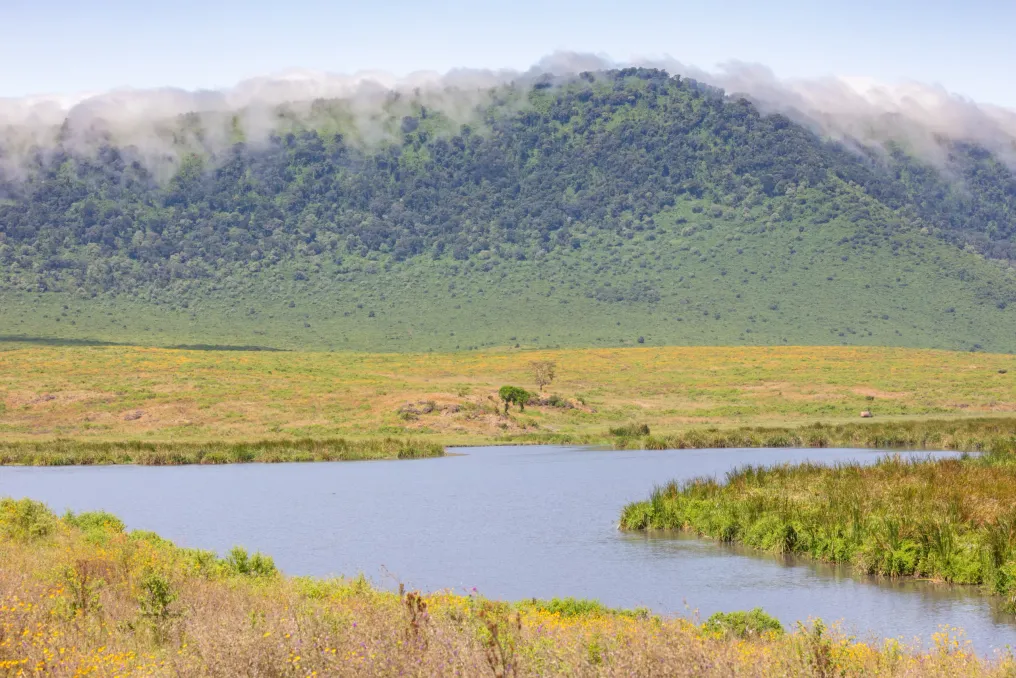
The Ngorongoro Conservation Area in Tanzania has been honored with continental recognition for its efforts in wildlife protection, cultural heritage preservation, and the promotion of sustainable tourism.
The authority of the Ngorongoro Conservation Area (NCAA) received the 'Excellence in Sustainable Tourism and Protected Area Management' award at the African Business forum and awards ceremony in 2026, held in Accra, Ghana. This was reported by the Daily News Tanzania newspaper.
This award acknowledges the conservation area's contribution to biodiversity protection while simultaneously fostering tourism that supports environmental conservation and provides long-term benefits to local communities.
NCAA Commissioner for Wildlife, Abdul-Razak Badru, stated that this recognition strengthens the authority's commitment to protecting Ngorongoro's natural and cultural heritage, while also encouraging a responsible approach to tourism.
This latest award follows previous international recognition received through the World Travel Awards, where Ngorongoro was named Africa's leading tourist attraction in both 2023 and 2025.
History and Features of the Conservation Area
Established in 1959, the Ngorongoro Conservation Area is a landscape featuring multiple land-use types, where wild animals coexist with semi-nomadic Maasai pastoralists whose traditional occupations include livestock rearing.
The diverse topography includes highland plains, open pastures, forests, and woodlands, centered around the impressive Ngorongoro Crater. This crater, which is the world's largest intact volcanic caldera, is one of Tanzania's most recognizable natural attractions and draws wildlife enthusiasts.
The larger conservation area supports diverse wildlife and endangered species, and it is part of the seasonal migration routes of wildebeest, zebras, and gazelles moving across the northern plains of Tanzania.
The significance of Ngorongoro extends beyond wildlife and landscapes. The region also holds international importance due to its archaeological sites, which provide valuable insights into human evolution and the relationship between early human populations and their environment.
For travelers, the conservation area offers an opportunity to experience Tanzania's wildlife, dramatic volcanic landscapes, and living cultural heritage in one place.
The 2026 award elevates Ngorongoro's international status, emphasizing the role of responsible tourism in supporting the preservation of one of East Africa's most outstanding landscapes for future generations.