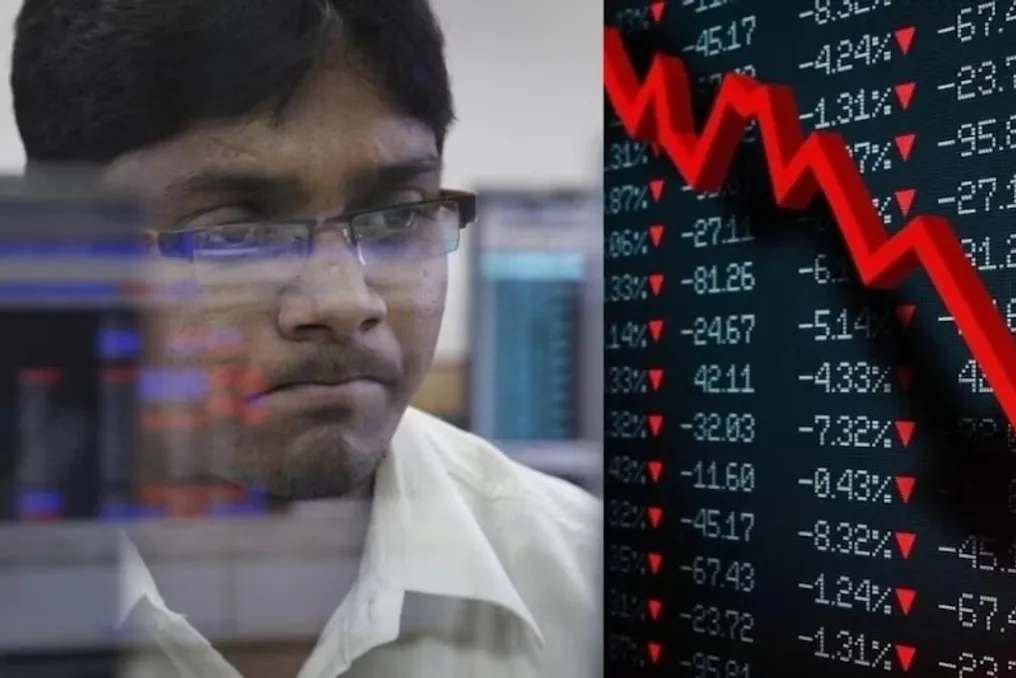
The Indian stock market continued to rise on Friday, with the Sensex and Nifty indices opening in positive territory. However, the growth on this day was more moderate compared to Thursday. In the first trading hour, the Sensex increased by approximately 400 points, while the Nifty showed a gain of over 100 points. Meanwhile, the Bank Nifty experienced fluctuations.
Previously, on Thursday, the market saw active buying, and both major indices reached one of the highest daily gains in the last four months. The rise was supported by shares in the banking sector, IT companies, and Reliance Industries, as well as easing crude oil prices and positive signals from global markets, which bolstered investor confidence.
Nevertheless, despite the current growth, certain risks remain. High crude oil prices, inflation concerns, and ongoing tensions in the Middle East may prompt investors to exercise caution.
On Thursday, the BSE Sensex closed at 74,315.61 points, showing a rise of 1,533.72 points, or 2.11%. During trading, the Sensex peaked at 74,330.29 points, an increase of 1,548.4 points. This level marked the highest closing for the Sensex in the last three weeks. Similarly, the NSE Nifty 50 concluded trading at 22,997.35 points, corresponding to a rise of 374.65 points or 1.66%. This was the highest Nifty level since September 25th. Shares in the banking and IT sectors, along with the rise in Reliance Industries shares, helped support the market.
One of the key drivers of the stock market's growth was the positive signals coming from global exchanges. Growth resumed in stocks related to Artificial Intelligence (AI), and investor confidence increased due to expectations regarding company quarterly reports. Furthermore, the yield on long-term US government bonds, or traders, fell to its lowest level since September.
There were concerns that the pace of AI sector development might slow down. There were also speculations that the US Federal Reserve might keep interest rates unchanged at its next meeting. When US bond yields decrease, investments in riskier assets like stocks become more attractive to investors, which can support sentiment in emerging markets.
Amid the general uptrend, the decision by the Securities and Exchange Board of India (SEBI) attracted investor attention. On Thursday, SEBI announced that settlements for futures and options trades on stocks and indices expiring will now be based on the volume-weighted average price over the last 30 minutes of regular trading. Previously, SEBI had decided on settlement based on the Closing Auction Session (CAS).
After objections from market participants, SEBI changed its stance. According to brokerage firm Jefferies, this change could help reduce sharp market volatility on expiration day and provide relief to brokers whose orders might have remained at lower levels previously.
Despite the overall upward trend, several issues persist for investors. The price of Brent Crude is holding around $106 per barrel. Investors are closely monitoring events such as tensions in the Middle East and the possible easing of US sanctions against tankers linked to Iran. If crude oil prices remain high for an extended period, it could increase costs for importing countries like India. This, in turn, may affect inflation, corporate profits, and overall market sentiment. Analysts believe that the market recovery is not yet fully sustainable, and high oil prices and inflation risk may keep investors on edge.
In upcoming trading sessions, investor focus will be on company results, signals regarding US interest rates, crude oil prices, and the situation in the Middle East. If global markets continue to show positive signs and company reports meet expectations, the market may receive support. However, rising oil prices or intensifying inflationary concerns could once again trigger volatility. Therefore, despite the recent growth, it is crucial to monitor the market direction.