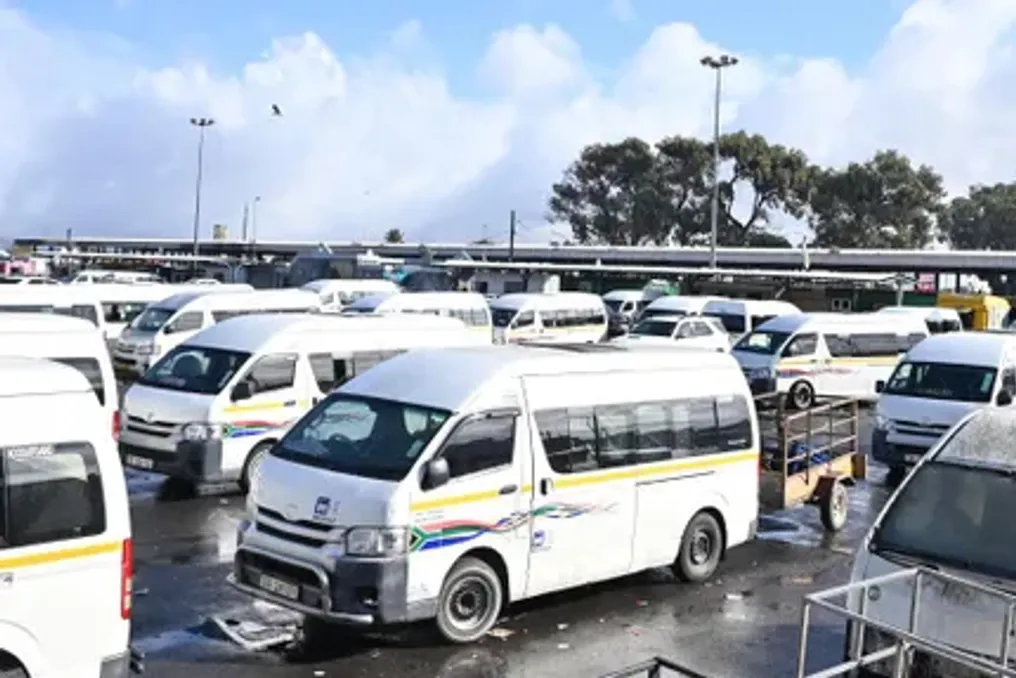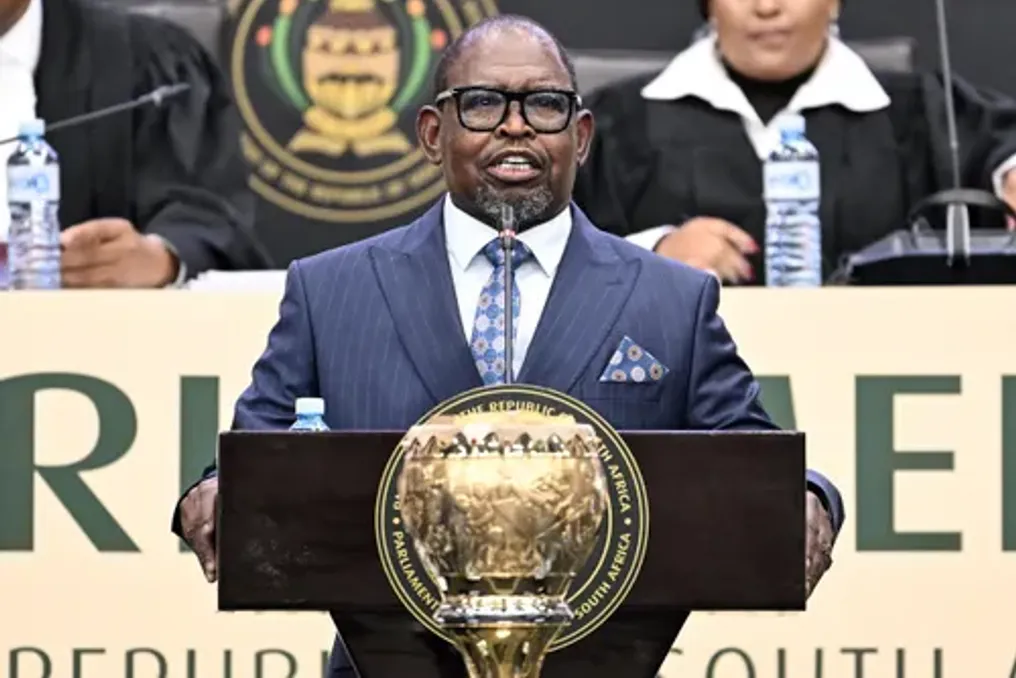
Ahead of Enoch Godongwana's Ministry of Finance presentation on the Medium-Term Budget Policy Statement (MTBPS) on October 21, the COSATU union and the minibus taxi industry are calling for measures to ease the financial burden on workers, support public transport, and address rising costs.
COSATU points out that rising unemployment, slowing economic growth, and sharp increases in fuel prices are exacerbating financial difficulties. In turn, the Cape Organisation for the Democratic Taxi Association (CODETA) insists that public transport funding should better align with passenger demand and the needs of minibus taxi operators.
COSATU's coordinator in parliament, Matthew Parks, stated that workers are in a difficult position: the unemployment rate has reached a dangerously high level of 43.8%, and the economy continues to develop sluggishly, at only 1.2%.
Parks noted that working communities suffer from poverty, inequality, crime, and corruption. He emphasized that 2026 has been particularly challenging due to the war in the Middle East, which led to soaring oil prices, causing petrol prices in South Africa to rise by more than 25% and diesel by 50%. This, in turn, triggered inflation, two repo rate hikes, and deepened poverty among workers.
COSATU is asking for several measures to be included in the budget, including filling critical vacancies for doctors, nurses, teachers, police officers, and other essential specialists. Parks stated that the upcoming budget cannot be ordinary or normalize the pressure on workers.
He called on the government to demonstrate a decisive shift towards stimulating growth, restoring state and municipal services, assisting workers and the poor, and instilling hope in the nation, noting that it is time to abandon proven and unsuccessful neoliberal austerity policies that have undermined growth.
Measures COSATU is requesting
COSATU appeals to the National Treasury to consider a range of other initiatives. These include reforming local government by removing corrupt and incompetent leaders, appointing qualified managers, ensuring timely payments to workers and service providers, and establishing sustainable funding.
Solutions are also required for municipal debt amounting to 120 billion rand owed to Eskom and 370 billion rand owed to municipalities. In the fight against crime, COSATU insists on combating corruption within law enforcement agencies, recruiting police and judicial staff, and equipping SAPS with functional vehicles, modern communication equipment, and forensic capabilities.
To stimulate employment and growth, a package of measures is proposed that should address the issue of delays in infrastructure investments totaling 1 trillion rand, as well as expanding funding for SMEs, industry, exports, and job-creating sectors.
Furthermore, COSATU demands the restoration of full capacity for organizations such as Eskom, Transnet, PRASA, the Post Office, Postbank, SABC, and Denel through strategic support. To reduce the burden on workers, it is proposed to release 10 billion rand from the Central Energy Fund Equalisation Fund to lower fuel prices, as well as expand state employment and private artisanal programs.
The Chairperson of the Cape Organisation for the Democratic Taxi Association (CODETA), Nceba Enge, expressed serious concern regarding the current public transport funding model. He noted that state funding has primarily been directed towards Integrated Public Transport Networks and Bus Rapid Transit (BRT) systems.
However, the national funding model is currently being reviewed because the achieved results have not matched the scale of the investment. Enge stated that public transport funding should be determined based on passenger demand and recognized transport needs, rather than predominantly on the type of transport. Future funding must support minibus taxi infrastructure, fleet modernization, technology, safety, and professionalization.
He added that taxi drivers continue to cover rising costs for fuel, vehicle financing, insurance, tires, maintenance, and labour, while maintaining affordable fares for workers. Therefore, they are striving for a public transport system based on proportional control, regulatory certainty, and fair funding, recognizing the minibus taxi industry as an integral part of South Africa's public transport system.